
Add from NASA
Explore NASA’s Image and Video Library and suggest an object for Interstellar Minds.
New Marvel suggestions are paused.
NASA image records
JSC · 1970-09-01 · S70-50764
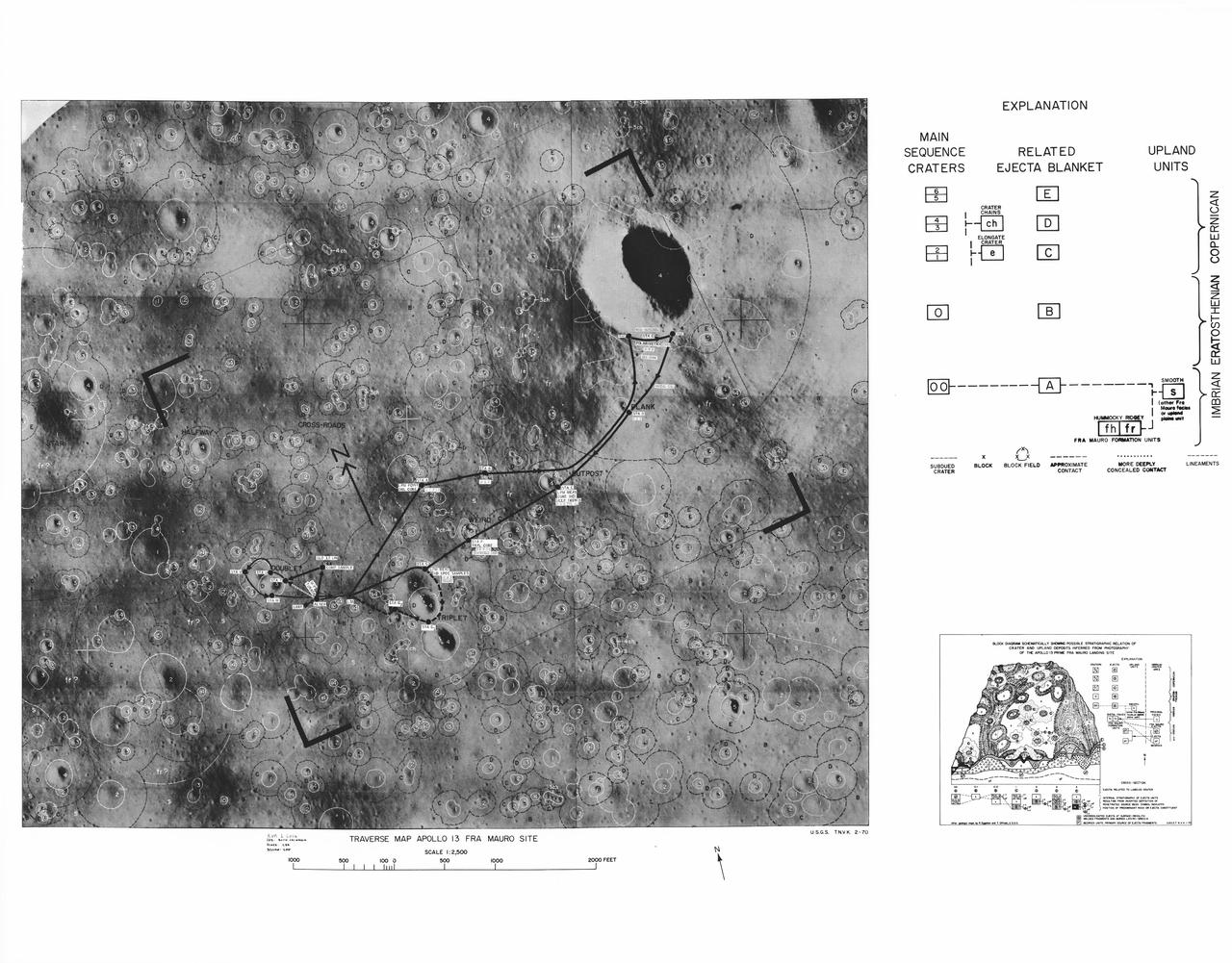
Lunar map showing traverse plans for Apollo 14 lunar landing mission
This lunar map shows the traverse plans for the Apollo 14 lunar landing mission. Areas marked include Lunar module landing site, areas for the Apollo Lunar Surface Experiment…
Inspect NASA record
This lunar map shows the traverse plans for the Apollo 14 lunar landing mission. Areas marked include Lunar module landing site, areas for the Apollo Lunar Surface Experiment Package (ALSEP) and areas for gathering of core samples.
- Record ID
- S70-50764
- NASA center
- JSC
- Date
- 1970-09-01
- Keywords
- APOLLO PROJECT, CRATERS, LUNAR EXPLORATION, LUNAR LANDING SITES, LUNAR MAPS, LUNAR SURFACE
JSC · 2026-04-07 · jsc2026e021160
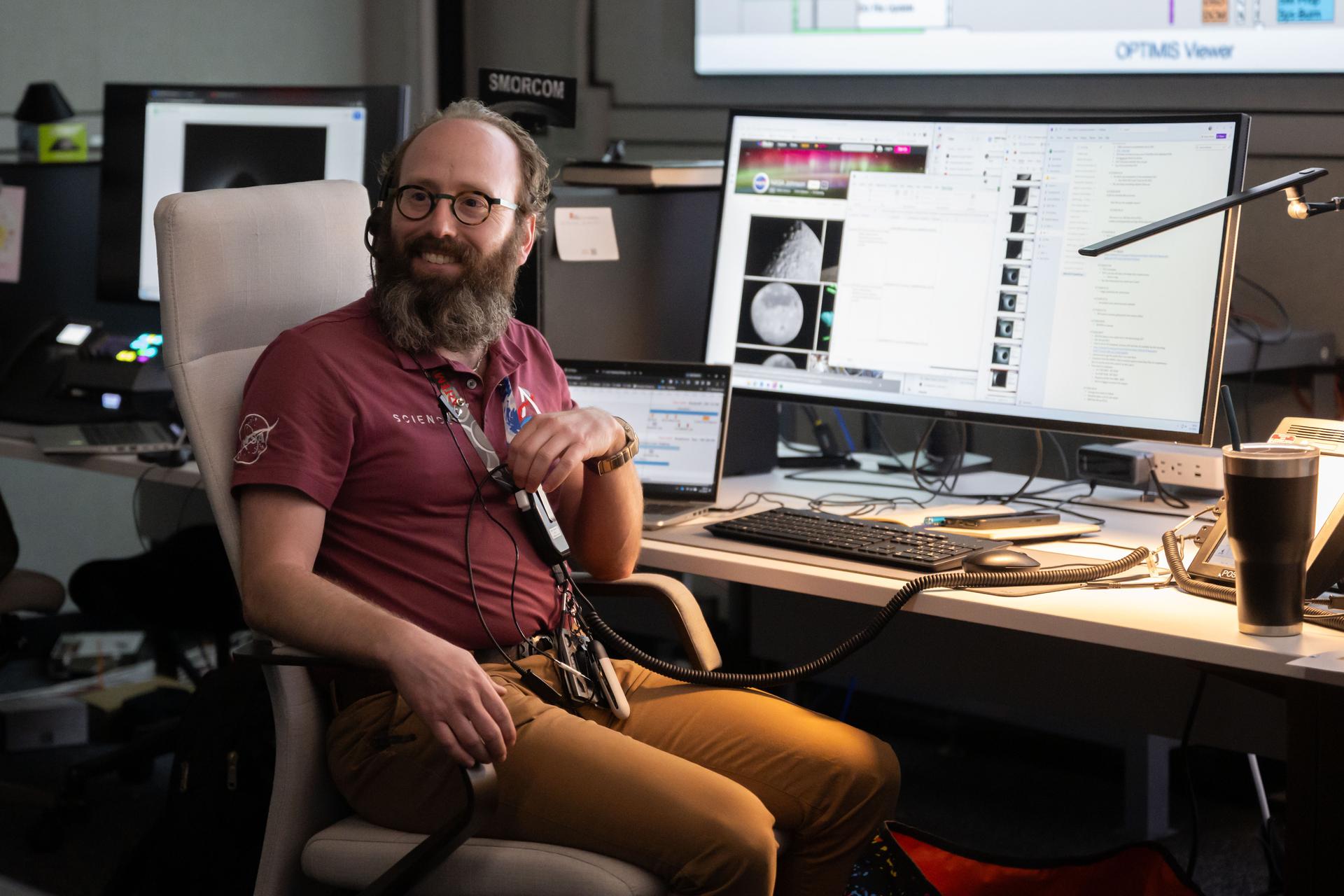
Artemis lunar science team member, Aaron Regberg -- jsc2026e021160
Artemis lunar science team member, Aaron Regberg, works in the Science Mission Operations Room, where scientists analyzed imagery and audio recordings of lunar observations captured by the Artemis…
Inspect NASA record
Artemis lunar science team member, Aaron Regberg, works in the Science Mission Operations Room, where scientists analyzed imagery and audio recordings of lunar observations captured by the Artemis II astronauts during their lunar flyby on April 6, 2026.
- Record ID
- jsc2026e021160
- NASA center
- JSC
- Date
- 2026-04-07
- Credit
- Helen Arase Vargas NASA-JSC
- Keywords
- Artemis, Artemis II, Lunar science, lunar geography, lunar flyby, Science Mission Operations Room, Moon Joy

JSC · 2026-04-07 · jsc2026e021167
Artemis lunar science team -- jsc2026e021167
Artemis lunar science team members, from left, Alexandra Constantinou, and David Hollibaugh-Baker, work in the Science Mission Operations Room at NASA’s Johnson Space Center in Houston. They are…
Inspect NASA record
Artemis lunar science team members, from left, Alexandra Constantinou, and David Hollibaugh-Baker, work in the Science Mission Operations Room at NASA’s Johnson Space Center in Houston. They are analyzing imagery and audio recordings of lunar observations captured by the Artemis II astronauts during their lunar flyby on April 6, 2026.
- Record ID
- jsc2026e021167
- NASA center
- JSC
- Date
- 2026-04-07
- Credit
- Helen Arase Vargas NASA-JSC
- Keywords
- Artemis, Artemis II, Lunar Science, Lunar geography, Lunar flyby, Science Mission Operations Room, Moon

MSFC · 1969-07-20 · 6901250
Saturn Apollo Program
This is a close-up view of an astronaut’s footprint in the lunar soil, photographed by a 70 mm lunar surface camera during the Apollo 11 lunar surface extravehicular…
Inspect NASA record
This is a close-up view of an astronaut’s footprint in the lunar soil, photographed by a 70 mm lunar surface camera during the Apollo 11 lunar surface extravehicular activity. The first manned lunar mission, the Apollo 11 launched aboard a Saturn V launch vehicle from the Kennedy Space Center, Florida on July 16, 1969 and safely returned to Earth on July 24, 1969. The 3-man crew aboard the flight consisted of Neil A, Armstrong, mission commander; Edwin E. Aldrin, Jr., Lunar Module Pilot; and Michael Collins, Command Module pilot. The LM landed on the moon’s surface on July 20, 1969 in the region known as Mare Tranquilitatis (the Sea of Tranquility). Armstrong was the first human to ever stand on the lunar surface. As he stepped off the LM, Armstrong proclaimed, “That’s one small step for man, one giant leap for mankind”. He was followed by Edwin (Buzz) Aldrin, describing the lunar surface as Magnificent desolation. Astronaut Collins piloted the Command Module in a parking orbit around the Moon. The crew collected 47 pounds of lunar surface material which was returned to Earth for analysis. The surface exploration was concluded in 2½ hours. With the success of Apollo 11, the national objective to land men on the Moon and return them safely to Earth had been accomplished. The Saturn V vehicle was developed by the Marshall Space Flight Center (MSFC) under the direction of Dr. von Braun.
- Record ID
- 6901250
- NASA center
- MSFC
- Date
- 1969-07-20
- Keywords
- Apollo 11, Lunar Mission, Footprint
MSFC · 1969-07-20 · 6900947
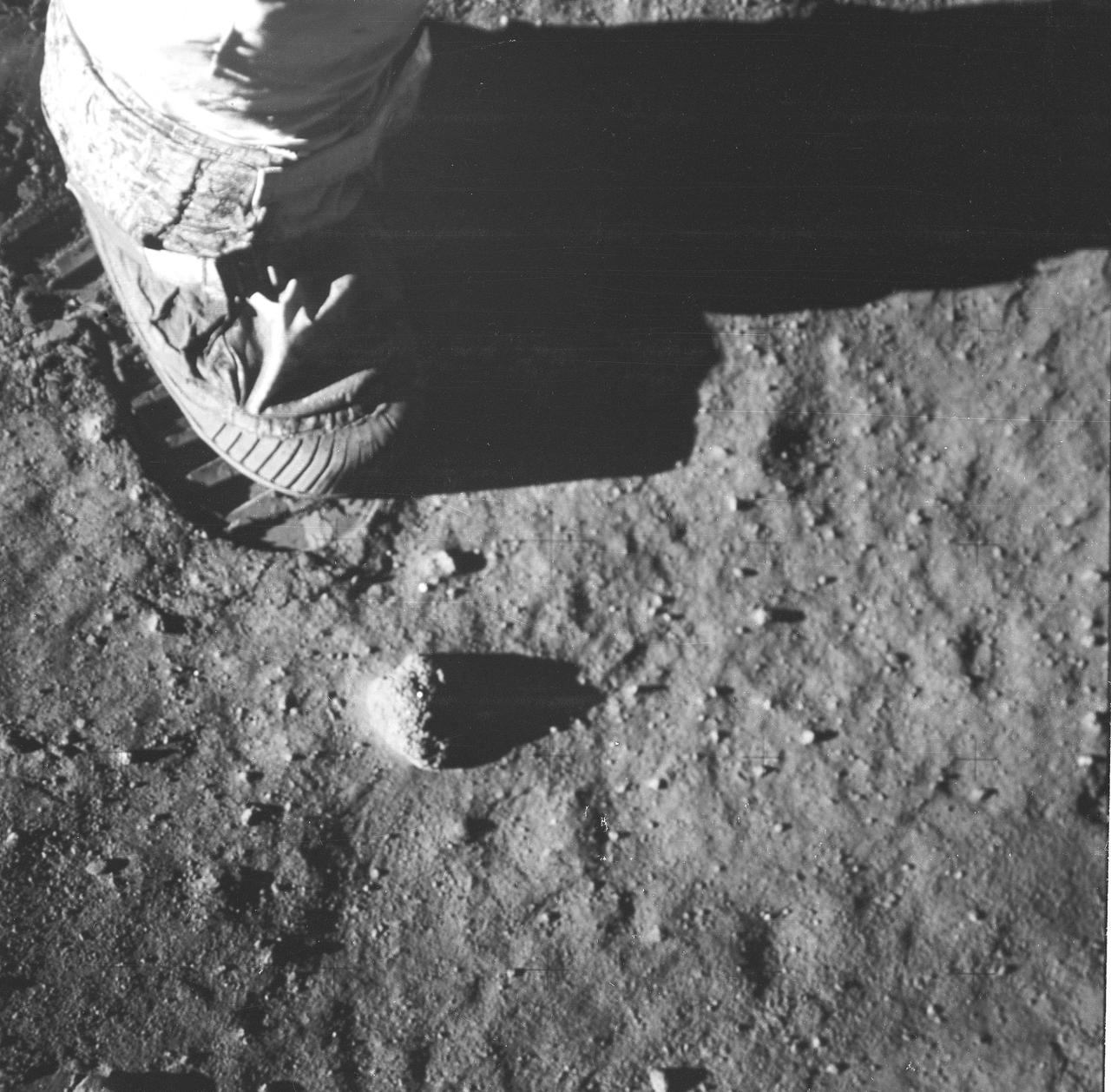
Saturn Apollo Program
This is a close-up view of an astronaut’s foot and footprint in the lunar soil, photographed by a 70 mm lunar surface camera during the Apollo 11 lunar…
Inspect NASA record
This is a close-up view of an astronaut’s foot and footprint in the lunar soil, photographed by a 70 mm lunar surface camera during the Apollo 11 lunar surface extravehicular activity (EVA). The first manned lunar mission launched via a Saturn V launch vehicle from the Kennedy Space Center, Florida on July 16, 1969 and safely returned to Earth on July 24, 1969. The Saturn V vehicle was developed by the Marshall Space Flight Center (MSFC) under the direction of Dr. Wernher von Braun. The 3-man crew aboard the flight consisted of astronauts Neil A. Armstrong, mission commander; Edwin E. Aldrin, Jr., Lunar Module (LM) Pilot; and Michael Collins, Command Module (CM) pilot. The LM landed on the moon’s surface on July 20, 1969 in the region known as Mare Tranquilitatis (the Sea of Tranquility). Armstrong was the first human to ever stand on the lunar surface. As he stepped off the LM, Armstrong proclaimed, “That’s one small step for man, one giant leap for mankind”. He was followed by Edwin (Buzz) Aldrin, describing the lunar surface as magnificent desolation. Astronaut Collins piloted the CM in a parking orbit around the Moon. During a 2½ hour surface exploration, the crew collected 47 pounds of lunar surface material which was returned to Earth for analysis. With the success of Apollo 11, the national objective to land men on the Moon and return them safely to Earth had been accomplished.
- Record ID
- 6900947
- NASA center
- MSFC
- Date
- 1969-07-20
- Keywords
- Apollo 11, Lunar Mission, Footprint
MSFC · 1969-07-16 · 6975606
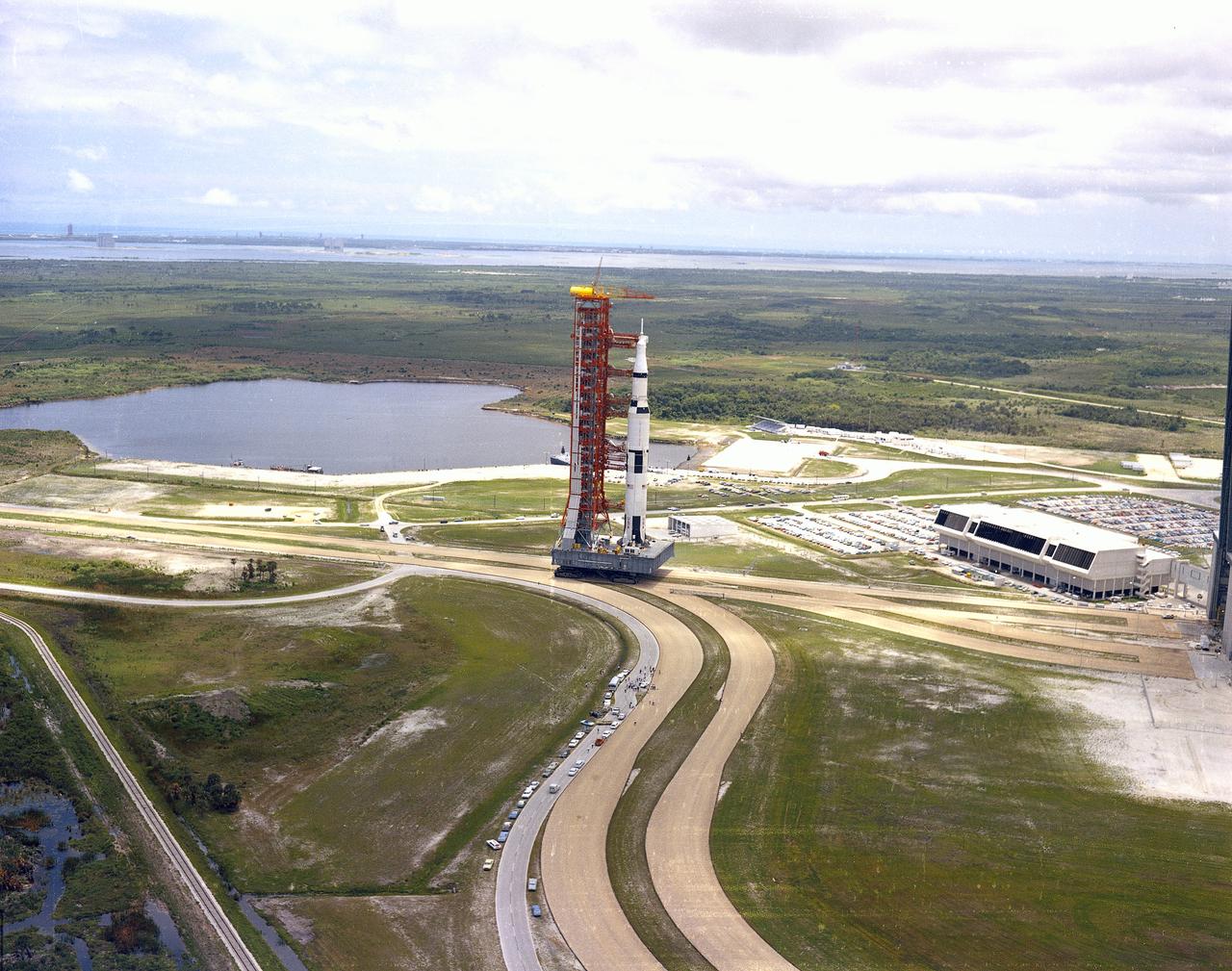
Saturn Apollo Program
Aboard a Saturn V launch vehicle, the Apollo 11 mission launched from The Kennedy Space Center, Florida on July 16, 1969 and safely returned to Earth on July…
Inspect NASA record
Aboard a Saturn V launch vehicle, the Apollo 11 mission launched from The Kennedy Space Center, Florida on July 16, 1969 and safely returned to Earth on July 24, 1969. The space vehicle is shown here during the rollout for launch preparation. The 3-man crew aboard the flight consisted of Neil A. Armstrong, commander; Michael Collins, Command Module pilot; and Edwin E. Aldrin Jr., Lunar Module pilot. Armstrong was the first human to ever stand on the lunar surface, followed by Edwin (Buzz) Aldrin. The crew collected 47 pounds of lunar surface material which was returned to Earth for analysis. The surface exploration was concluded in 2½ hours. With the success of Apollo 11, the national objective to land men on the Moon and return them safely to Earth had been accomplished. The Saturn V launch vehicle was developed by the Marshall Space Flight Center (MSFC) under the direction of Dr. Wernher von Braun.
- Record ID
- 6975606
- NASA center
- MSFC
- Date
- 1969-07-16
- Keywords
- Apollo 11, Lunar Mission, Rollout

JSC · 2026-04-06 · art002e016186
Artemis II Lunar Targeting Plan in Action -- art002e016186
art002e016186 (April 6, 2026) – CSA (Canadian Space Agency) astronaut and Artemis II Mission Specialist Jeremy Hansen is seen working on his personal computing device during the Artemis…
Inspect NASA record
art002e016186 (April 6, 2026) – CSA (Canadian Space Agency) astronaut and Artemis II Mission Specialist Jeremy Hansen is seen working on his personal computing device during the Artemis II lunar flyby. The application seen on the screen is the Lunar Targeting Plan that guides them in the execution of the lunar science observation plan. This custom software was built by the crew lunar observations team, a subset of the Artemis II lunar science team. Hansen and his fellow crewmates spent approximately seven hours taking turns at the Orion windows capturing science data to share with their team back on Earth. At closest approach, they came within 4,067 miles of the Moon’s surface.
- Record ID
- art002e016186
- NASA center
- JSC
- Date
- 2026-04-06
- Keywords
- Artemis, Artemis II, Artemis II mission, Crew Lunar Observations, Lunar Flyby, Lunar Science, Lunar Targeting Plan, Moon, Jeremy Hansen
JSC · 2026-04-06 · art002e014251
Capturing the Lunar Flyby from Orion -- art002e014251
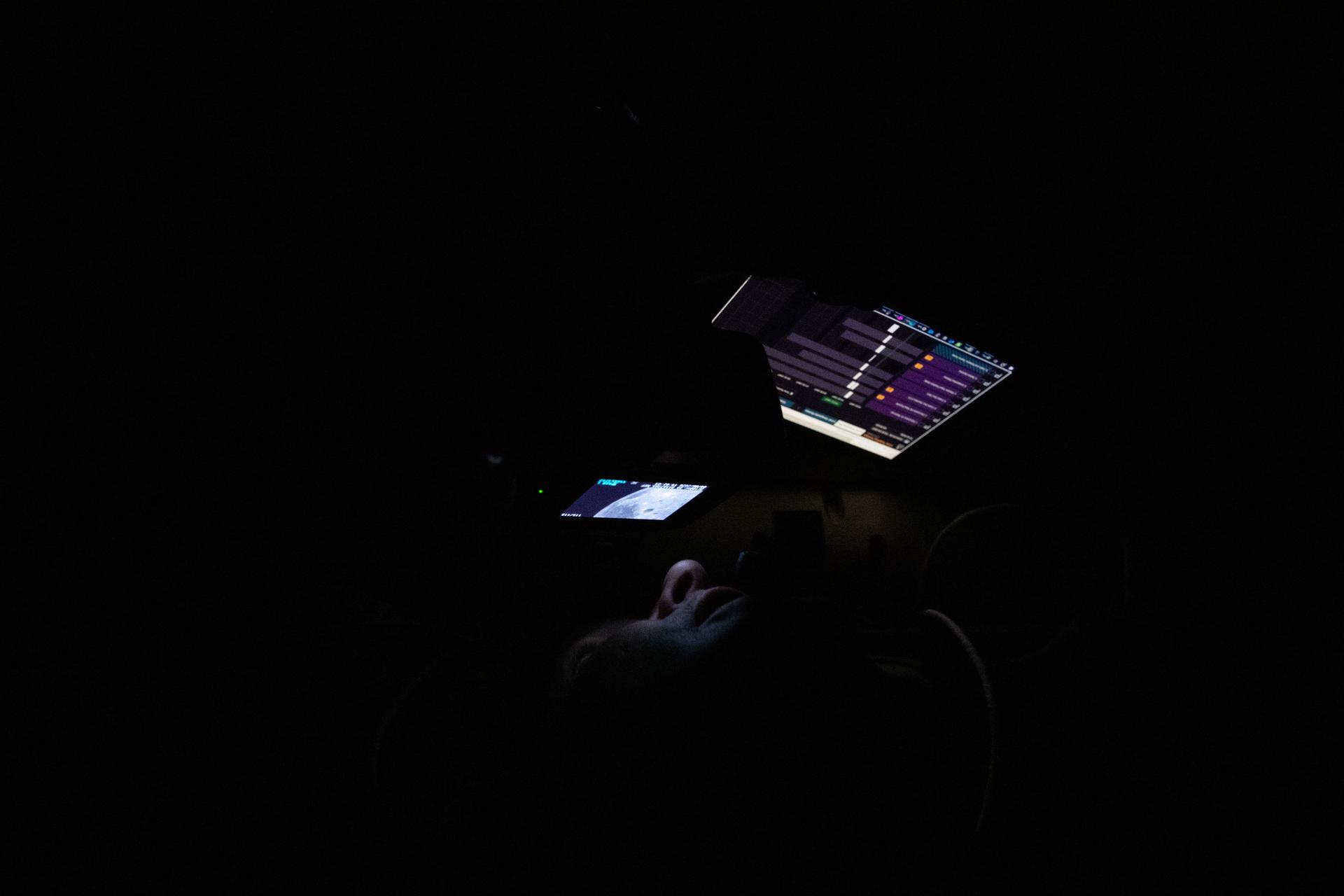
art002e014251 (April 6, 2026) – CSA (Canadian Space Agency) astronaut and Artemis II Mission Specialist Jeremy Hansen is seen taking images through the Orion spacecraft window during the…
Inspect NASA record
art002e014251 (April 6, 2026) – CSA (Canadian Space Agency) astronaut and Artemis II Mission Specialist Jeremy Hansen is seen taking images through the Orion spacecraft window during the Artemis II lunar flyby. Hansen and his fellow crewmates spent approximately seven hours taking turns at the Orion windows capturing science data to share with their team back on Earth. At closest approach, they came within 4,067 miles of the Moon’s surface. The application seen on the crew personal computing devices is the Lunar Targeting Plan that guides them in the execution of the lunar science observation plan. This custom software was built by the crew lunar observations team, a subset of the Artemis II lunar science team.
- Record ID
- art002e014251
- NASA center
- JSC
- Date
- 2026-04-06
- Keywords
- Artemis, Artemis II, Crew Lunar Observations, Lunar Targeting Plan, Lunar flyby, Artemis II mission, Lunar science, Moon, Jeremy Hansen
JSC · 2026-04-07 · jsc2026e021190
Artemis lunar science team -- jsc2026e021190
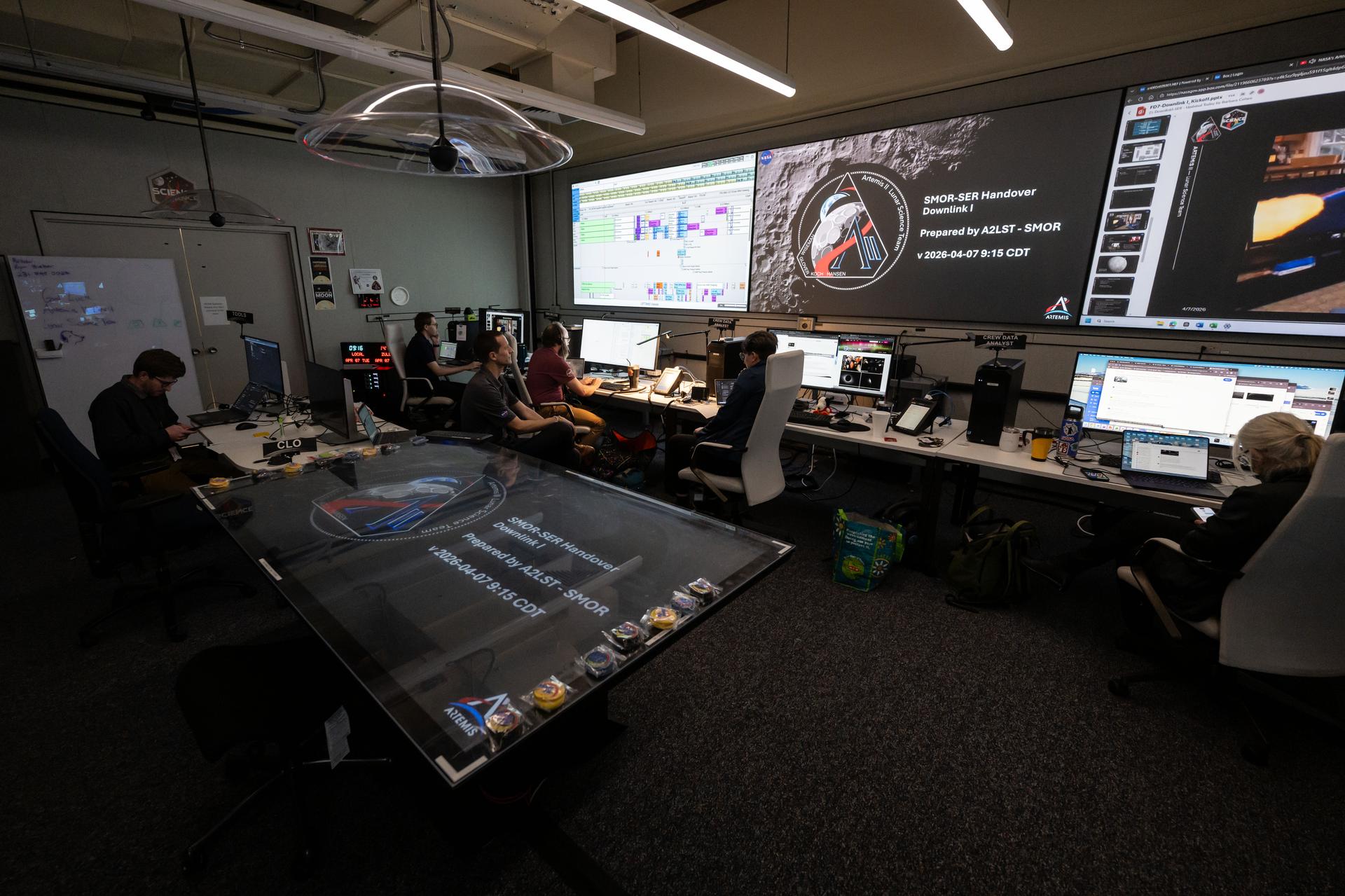
Artemis lunar science team members, work in the Science Mission Operations Room at NASA’s Johnson Space Center in Houston, analyzing imagery and audio recordings of lunar observations captured…
Inspect NASA record
Artemis lunar science team members, work in the Science Mission Operations Room at NASA’s Johnson Space Center in Houston, analyzing imagery and audio recordings of lunar observations captured by the Artemis II astronauts during their lunar flyby on April 6, 2026.
- Record ID
- jsc2026e021190
- NASA center
- JSC
- Date
- 2026-04-07
- Credit
- Helen Arase Vargas NASA-JSC
- Keywords
- Artemis, Artemis II, lunar science, lunar flyby, Science Mission Operations Room, Moon

JSC · 2026-04-07 · jsc2026e021181
Artemis lunar science team member, Alexandra Constantinou -- jsc2026e021181
Artemis lunar science team member, Alexandra Constantinou, works in the Science Mission Operations Room at NASA’s Johnson Space Center in Houston, where scientists analyzed imagery and audio recordings…
Inspect NASA record
Artemis lunar science team member, Alexandra Constantinou, works in the Science Mission Operations Room at NASA’s Johnson Space Center in Houston, where scientists analyzed imagery and audio recordings of lunar observations captured by the Artemis II astronauts during their lunar flyby on April 6, 2026. Credits: NASA/Helen Arase Vargas
- Record ID
- jsc2026e021181
- NASA center
- JSC
- Date
- 2026-04-07
- Credit
- Helen Arase Vargas NASA-JSC
- Keywords
- Artemis, Artemis II, Lunar Science, Lunar flyby, Science Mission Operations Room, Moon
MSFC · 1969-07-20 · 6900972
Saturn Apollo Program
The Apollo 11 manned lunar mission launched from the Kennedy Space Center, Florida on July 16, 1969 via a Saturn V launch vehicle, and safely returned to Earth…
Inspect NASA record
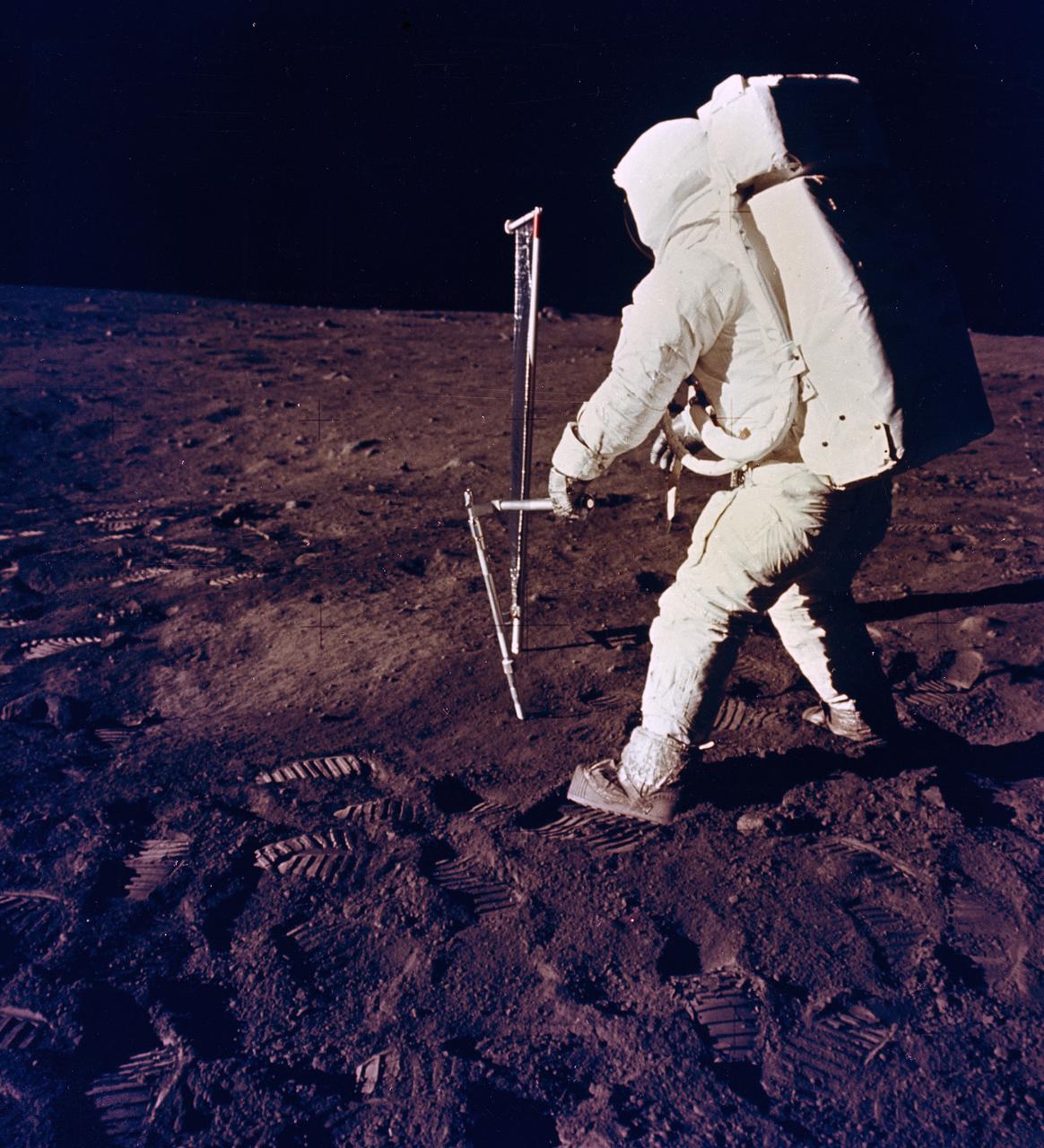
The Apollo 11 manned lunar mission launched from the Kennedy Space Center, Florida on July 16, 1969 via a Saturn V launch vehicle, and safely returned to Earth on July 24, 1969. The Saturn V vehicle was developed by the Marshall Space Flight Center (MSFC) under the direction of Dr. Wernher von Braun. The 3-man crew aboard the flight consisted of Neil A. Armstrong, commander; Michael Collins, Command Module pilot; and Edwin E. Aldrin Jr., Lunar Module pilot. Carrying astronauts Neil A. Armstrong and Edwin E. Aldrin, Jr., the Lunar Module (LM) “Eagle” was the first crewed vehicle to land on the Moon. The LM landed on the moon’s surface on July 20, 1969 in the region known as Mare Tranquilitatis (the Sea of Tranquility). Armstrong was the first human to ever stand on the lunar surface. As he stepped off the LM, Armstrong proclaimed, “That’s one small step for man, one giant leap for mankind”. He was followed by Edwin Aldrin, describing the lunar surface as magnificent desolation. This photo is of Edwin Aldrin on the lunar surface using the core sampler, one of the many tools used by the astronauts to collect samples. The crew collected 47 pounds of lunar surface material which was returned to Earth for analysis. The surface exploration was concluded in 2½ hours. With the success of Apollo 11, the national objective to land men on the Moon and return them safely to Earth had been accomplished.
- Record ID
- 6900972
- NASA center
- MSFC
- Date
- 1969-07-20
- Keywords
- Apollo 11, Lunar Mission, Eagle, Lunar Module, LM, Aldrin, Armstrong
MSFC · 1971-08-01 · 7022567
Saturn Apollo Program
This photograph was taken during the Apollo 15 mission on the lunar surface. Astronaut David R. Scott waits in the Lunar Roving Vehicle (LRV) for astronaut James Irwin…
Inspect NASA record
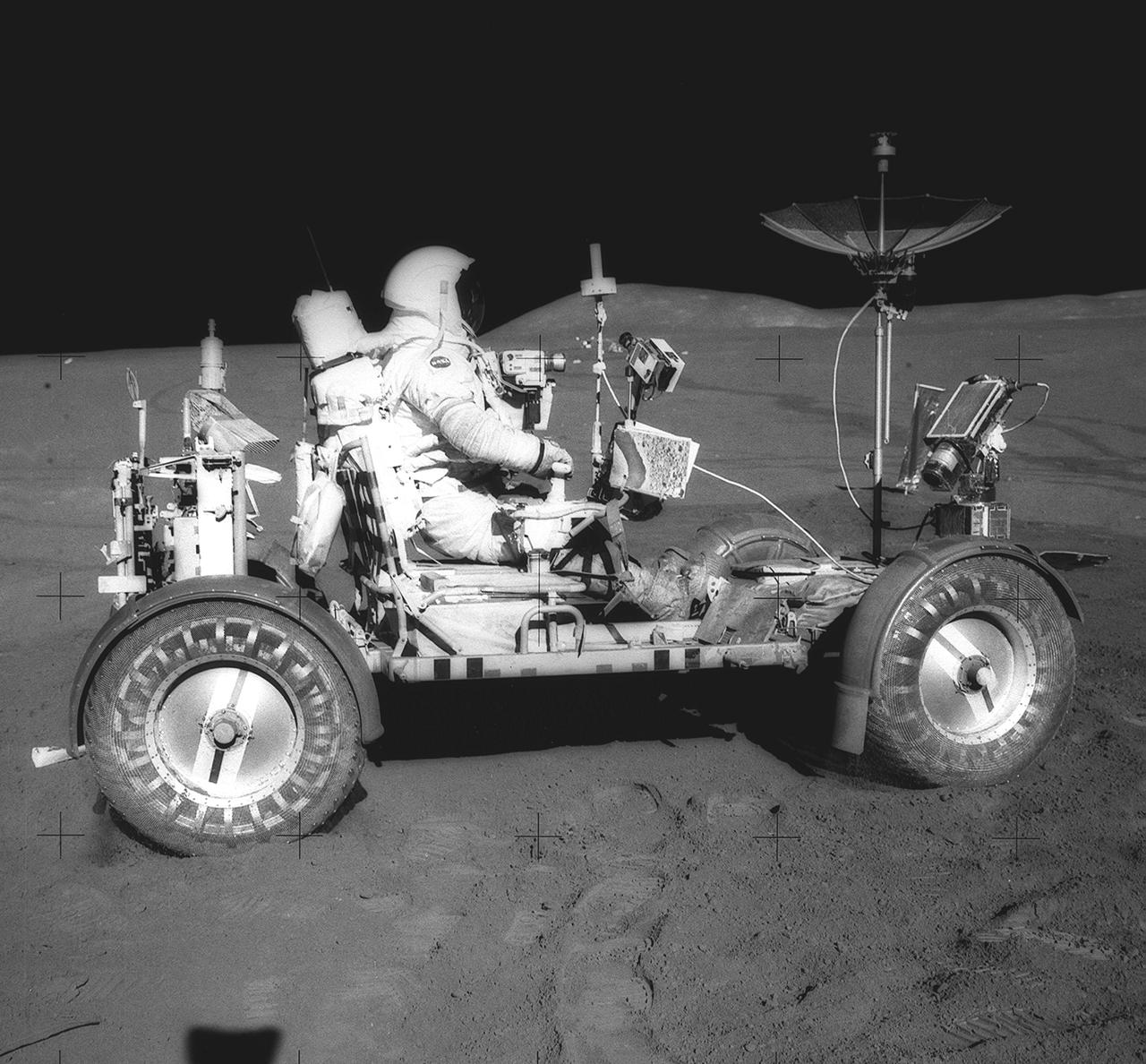
This photograph was taken during the Apollo 15 mission on the lunar surface. Astronaut David R. Scott waits in the Lunar Roving Vehicle (LRV) for astronaut James Irwin for the return trip to the Lunar Module, Falcon, with rocks and soil collected near the Hadley-Apernine landing site. The Apollo 15 was the first mission to use the LRV. Powered by battery, the lightweight electric car greatly increased the range of mobility and productivity on the scientific traverses for astronauts. It weighed 462 pounds (77 pounds on the Moon) and could carry two suited astronauts, their gear and cameras, and several hundred pounds of bagged samples. The LRV's mobility was quite high. It could climb and descend slopes of about 25 degrees. The LRV was designed and developed by the Marshall Space Flight Center and built by the Boeing Company.
- Record ID
- 7022567
- NASA center
- MSFC
- Date
- 1971-08-01
- Keywords
- Lunar Roving Vehicle, LRV, Apollo 15 Mission