
Update Site (from NASA)
Explore NASA’s Image and Video Library.
Suggest one object per day for the Interstellar Minds collection. We review each suggestion before adding it.
Sign in to suggest a Marvel.
Find a NASA image ID. Open a NASA record and copy its ID from the end of the details URL.
NASA image records
JPL · 2024-10-29 · PIA26453
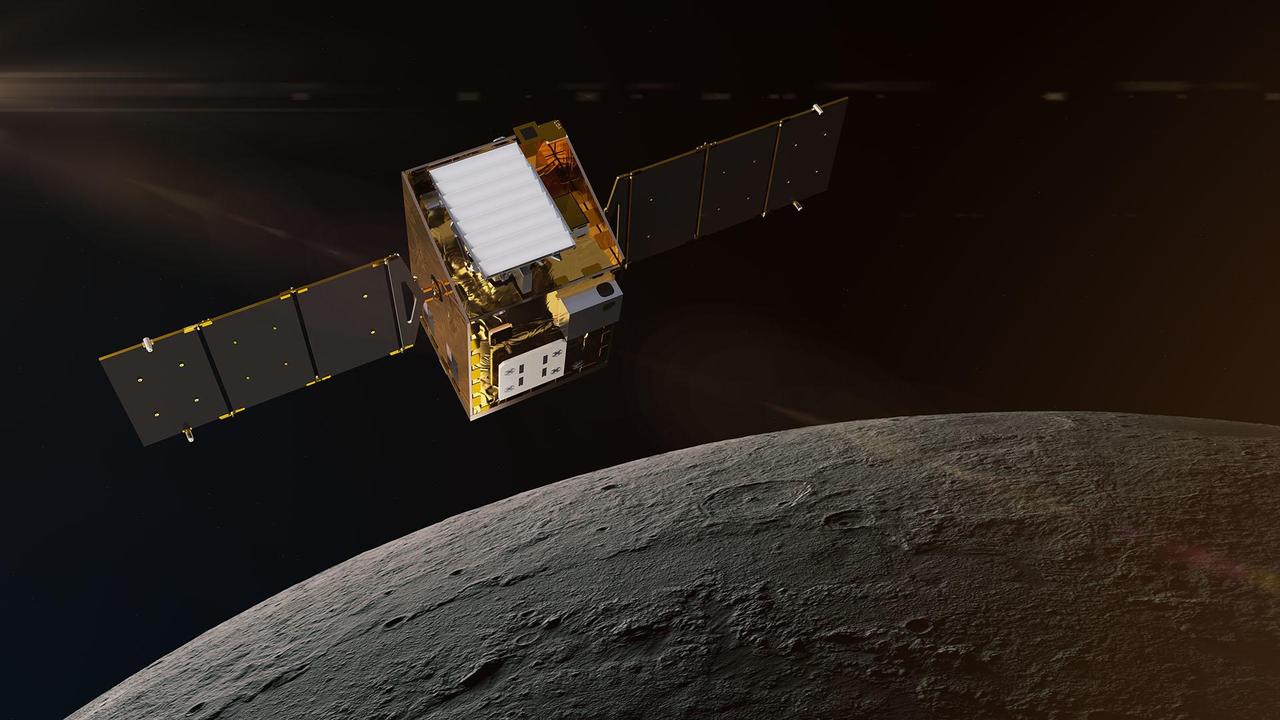
NASA's Lunar Trailblazer in Orbit Around the Moon (Artist's Concept)
This artist's concept depicts NASA's Lunar Trailblazer in lunar orbit about 60 miles (100 kilometers) from the surface of the Moon. The spacecraft weighs only 440 pounds (200…
Inspect NASA record
This artist's concept depicts NASA's Lunar Trailblazer in lunar orbit about 60 miles (100 kilometers) from the surface of the Moon. The spacecraft weighs only 440 pounds (200 kilograms) and measures 11.5 feet (3.5 meters) wide when its solar panels are fully deployed. Lunar Trailblazer is managed by NASA's Jet Propulsion Laboratory, and its science investigation and mission operations are led by Caltech with the mission operations center at IPAC. Managed for NASA by Caltech, JPL also provides system engineering, mission assurance, the HVM3 instrument, as well as mission design and navigation. Lockheed Martin Space provides the spacecraft, integrates the flight system, and supports operations under contract with Caltech. Lunar Trailblazer is part of NASA's Small Innovative Missions for Planetary Exploration (SIMPLEx) program, which is managed by the Planetary Missions Program Office at NASA's Marshall Space Flight Center in Huntsville, Alabama, as part of the Discovery Program at NASA Headquarters in Washington. The program conducts space science investigations in the Planetary Science Division of NASA's Science Mission Directorate at NASA Headquarters. https://photojournal.jpl.nasa.gov/catalog/PIA26453
- Record ID
- PIA26453
- NASA center
- JPL
- Date
- 2024-10-29
- Credit
- Lockheed Martin Space
- Keywords
- Lunar Trailblazer
MSFC · 1989-03-09 · 8902815
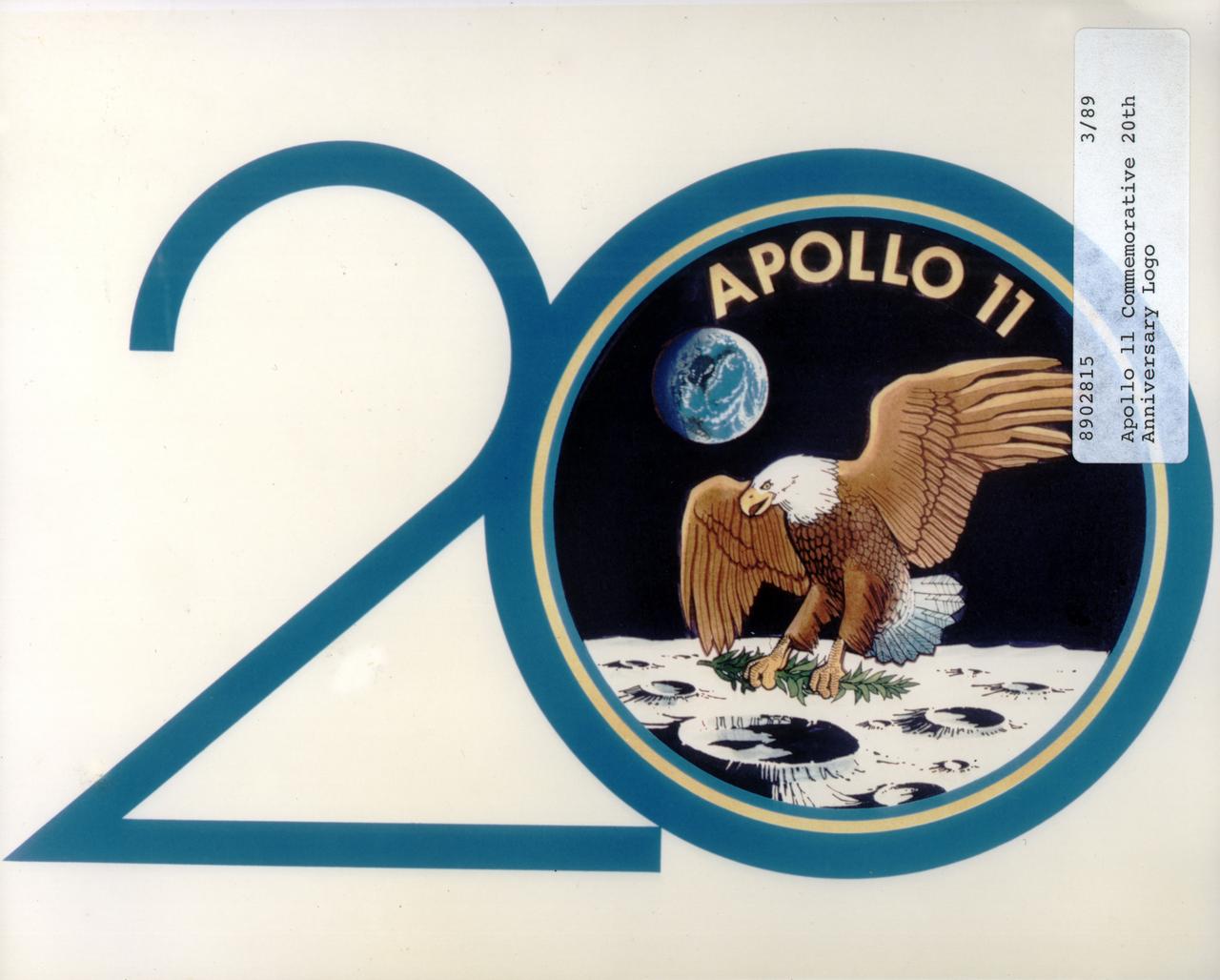
Saturn Apollo Program
The Apollo 11 mission, the first manned lunar mission, launched from the Kennedy Space Center, Florida via the Marshall Space Flight Center (MSFC) developed Saturn V launch vehicle…
Inspect NASA record
The Apollo 11 mission, the first manned lunar mission, launched from the Kennedy Space Center, Florida via the Marshall Space Flight Center (MSFC) developed Saturn V launch vehicle on July 16, 1969 and safely returned to Earth on July 24, 1969. Aboard the space craft were astronauts Neil A. Armstrong, commander; Michael Collins, Command Module (CM) pilot; and Edwin E. Aldrin Jr., Lunar Module (LM) pilot. The CM, piloted by Michael Collins remained in a parking orbit around the Moon while the LM, named “Eagle’’, carrying astronauts Neil Armstrong and Edwin Aldrin, landed on the Moon. During 2½ hours of surface exploration, the crew collected 47 pounds of lunar surface material for analysis back on Earth. With the success of Apollo 11, the national objective to land men on the Moon and return them safely to Earth had been accomplished. This logo represents the Commemorative 20th Anniversary of the Apollo 11 Lunar mission. Housed inside the zero of the numeral twenty is the original flight insignia in which an Eagle descending upon the lunar surface depicts the LM, named “Eagle’’.
- Record ID
- 8902815
- NASA center
- MSFC
- Date
- 1989-03-09
- Keywords
- Apollo 11, Moon Landing, 20th Anniversary, Logo, Insignia
MSFC · 1969-07-09 · 6900612
Saturn Apollo Program
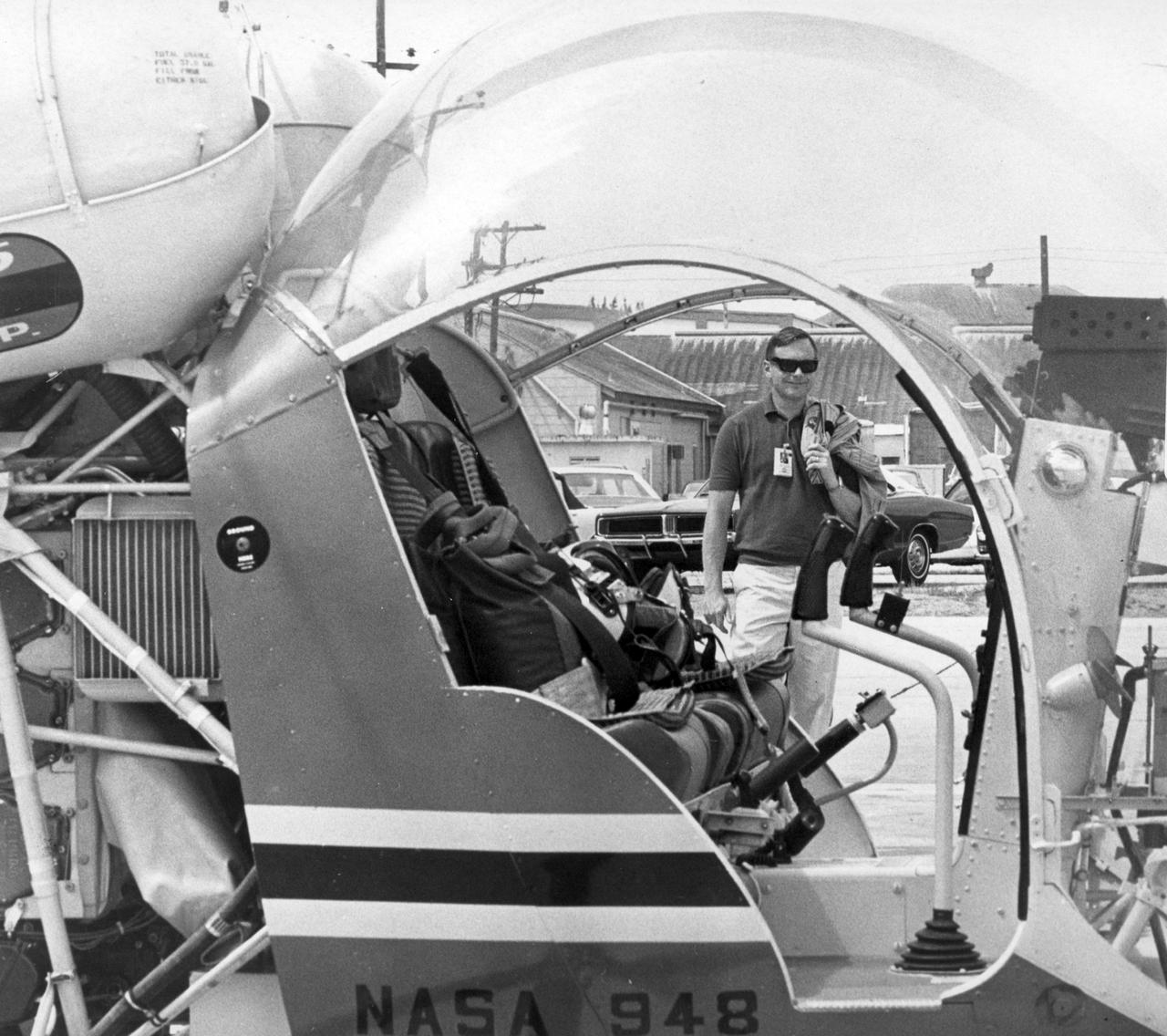
In preparation of the nation’s first lunar landing mission, Apollo 11, crew members underwent training to practice activities they would be performing during the mission. In this photograph…
Inspect NASA record
In preparation of the nation’s first lunar landing mission, Apollo 11, crew members underwent training to practice activities they would be performing during the mission. In this photograph Neil Armstrong approaches the helicopter he flew to practice landing the Lunar Module (LM) on the Moon. The Apollo 11 mission launched from the Kennedy Space Center (KSC) in Florida via the Marshall Space Flight Center (MSFC) developed Saturn V launch vehicle on July 16, 1969 and safely returned to Earth on July 24, 1969. Aboard the space craft were astronauts Neil A. Armstrong, commander; Michael Collins, Command Module (CM) pilot; and Edwin E. (Buzz) Aldrin Jr., Lunar Module (LM) pilot. The CM, “Columbia”, piloted by Collins, remained in a parking orbit around the Moon while the LM, “Eagle’’, carrying astronauts Armstrong and Aldrin, landed on the Moon. On July 20, 1969, Armstrong was the first human to ever stand on the lunar surface, followed by Aldrin. During 2½ hours of surface exploration, the crew collected 47 pounds of lunar surface material for analysis back on Earth. With the success of Apollo 11, the national objective to land men on the Moon and return them safely to Earth had been accomplished
- Record ID
- 6900612
- NASA center
- MSFC
- Date
- 1969-07-09
- Keywords
- Apollo 11, Moon, Armstrong, Helicopter, Training
MSFC · 1969-03-05 · 6974206
Saturn Apollo Program
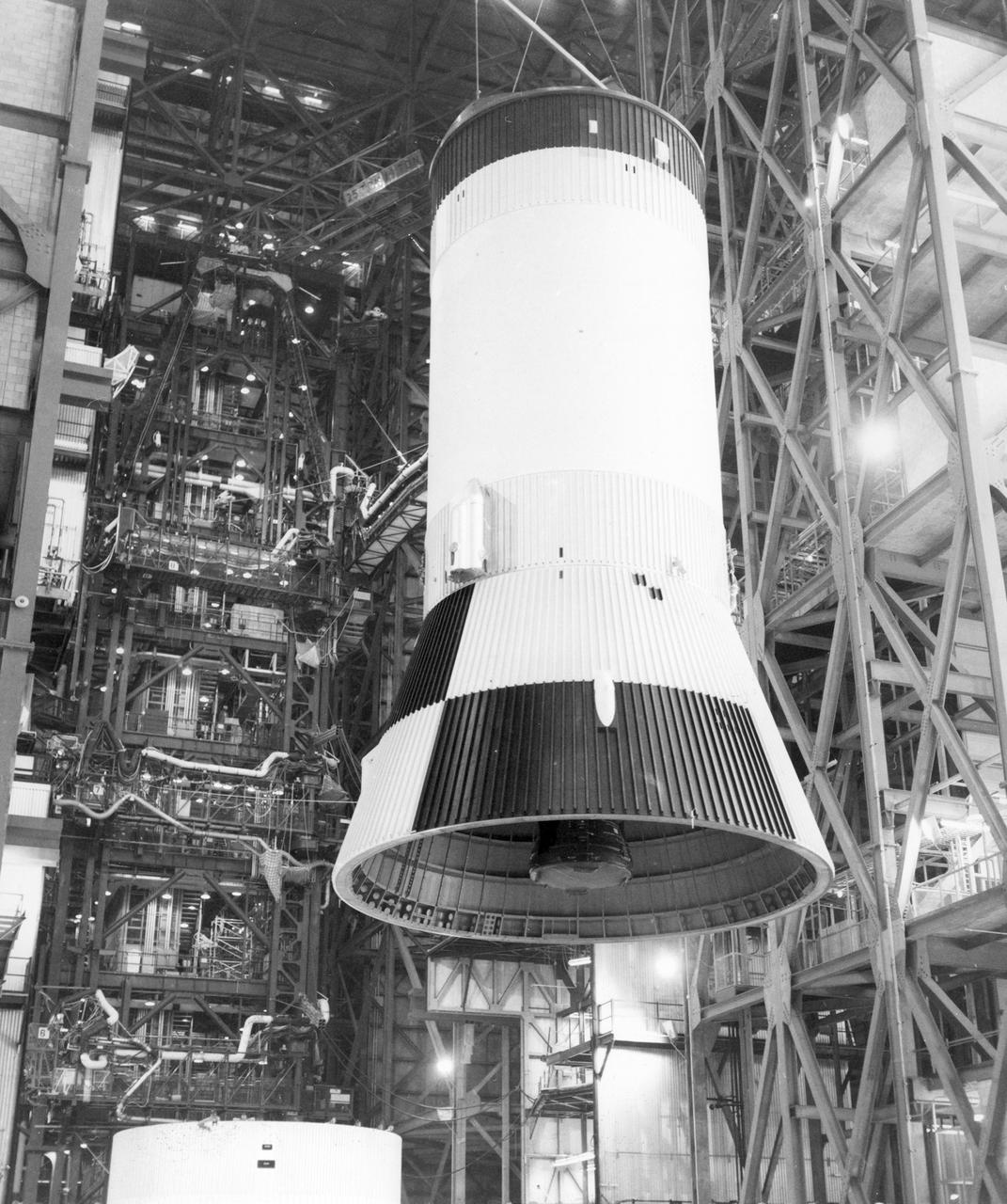
The third stage (S-IVB) of the Saturn V launch vehicle for the Apollo 11 lunar landing mission is hoisted in the vehicle assembly building at the NASA Kennedy…
Inspect NASA record
The third stage (S-IVB) of the Saturn V launch vehicle for the Apollo 11 lunar landing mission is hoisted in the vehicle assembly building at the NASA Kennedy Space Center (KSC) for mating with the second stage (S-II). The vehicle, designated as AS-506, projected the first lunar landing mission, Apollo 11, on a trajectory for the Moon. The Apollo 11 mission launched from KSC in Florida via the Marshall Space Flight Center (MSFC) developed Saturn V launch vehicle on July 16, 1969 and safely returned to Earth on July 24, 1969. Astronauts onboard included Neil A. Armstrong, commander; Michael Collins, Command Module (CM) pilot; and Edwin E. Aldrin, Jr., Lunar Module (LM) pilot. The CM, “Columbia”, piloted by Collins, remained in a parking orbit around the Moon while the LM, “Eagle’’, carrying astronauts Armstrong and Aldrin, landed on the Moon. On July 20, 1969, Armstrong was the first human to ever stand on the lunar surface, followed by Aldrin. During 2½ hours of surface exploration, the crew collected 47 pounds of lunar surface material for analysis back on Earth. With the success of Apollo 11, the national objective to land men on the Moon and return them safely to Earth had been accomplished.
- Record ID
- 6974206
- NASA center
- MSFC
- Date
- 1969-03-05
- Keywords
- Apollo 11, Saturn V, Third Stage, S-IVB, Mated, Vehicle Assembly Building
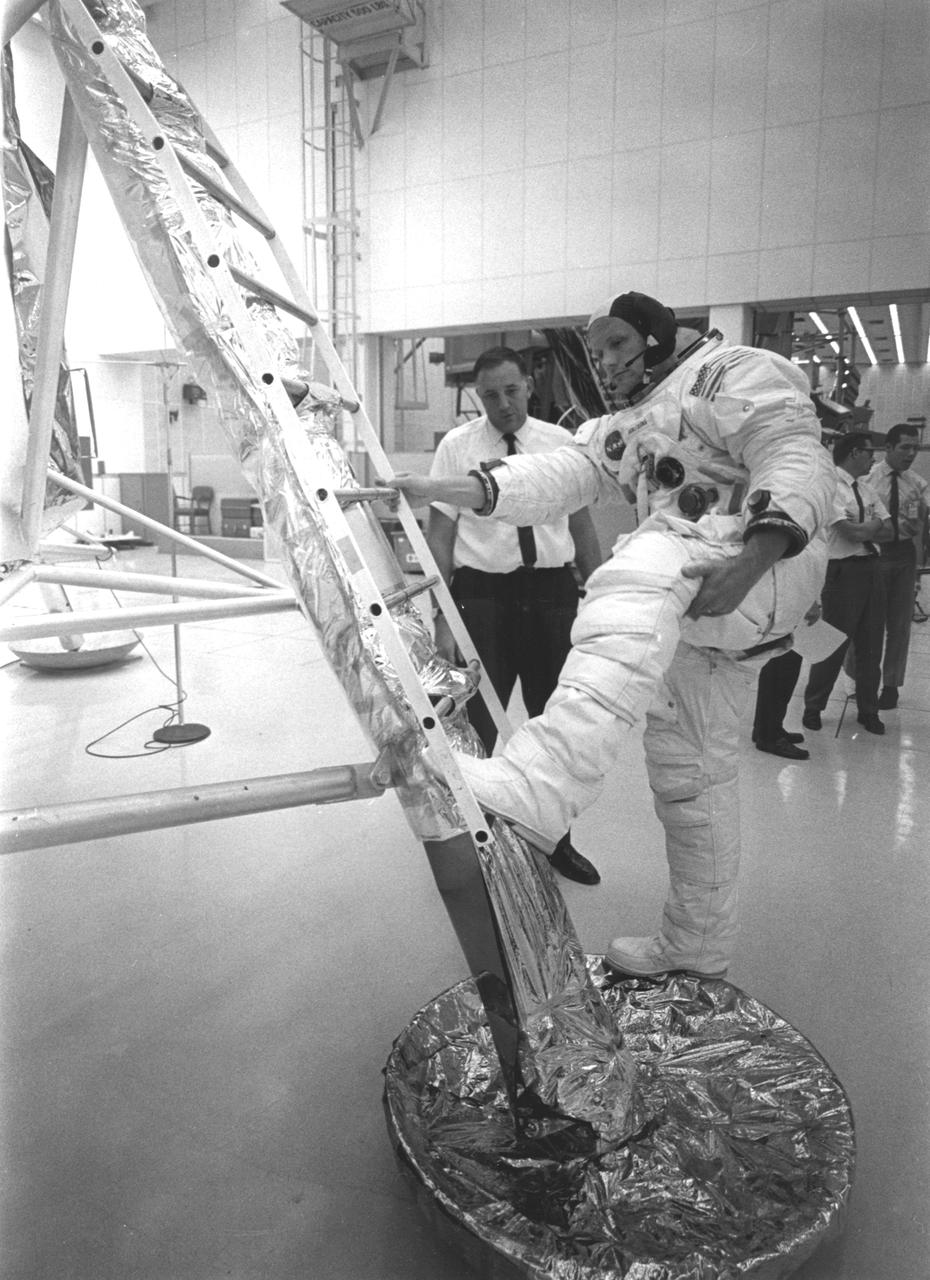
MSFC · 1969-07-09 · 6900548
Saturn Apollo Program
In preparation of the nation’s first Lunar landing mission, Apollo 11 crew members underwent training activities to practice activities they would be performing during the mission. In this…
Inspect NASA record
In preparation of the nation’s first Lunar landing mission, Apollo 11 crew members underwent training activities to practice activities they would be performing during the mission. In this photograph, Neil Armstrong, donned in his space suit, practices getting back to the first rung of the ladder on the Lunar Module (LM). The Apollo 11 mission launched from the Kennedy Space Center (KSC) in Florida via the Marshall Space Flight Center (MSFC) developed Saturn V launch vehicle on July 16, 1969 and safely returned to Earth on July 24, 1969. Aboard the space craft were astronauts Neil A. Armstrong, commander; Michael Collins, Command Module (CM) pilot; and Edwin E. (Buzz) Aldrin Jr., Lunar Module (LM) pilot. The CM, “Columbia”, piloted by Collins, remained in a parking orbit around the Moon while the LM, “Eagle’’, carrying astronauts Armstrong and Aldrin, landed on the Moon. On July 20, 1969, Armstrong was the first human to ever stand on the lunar surface, followed by Aldrin. During 2½ hours of surface exploration, the crew collected 47 pounds of lunar surface material for analysis back on Earth. With the success of Apollo 11, the national objective to land men on the Moon and return them safely to Earth had been accomplished.
- Record ID
- 6900548
- NASA center
- MSFC
- Date
- 1969-07-09
- Keywords
- Apollo 11, Moon, Armstrong, Training
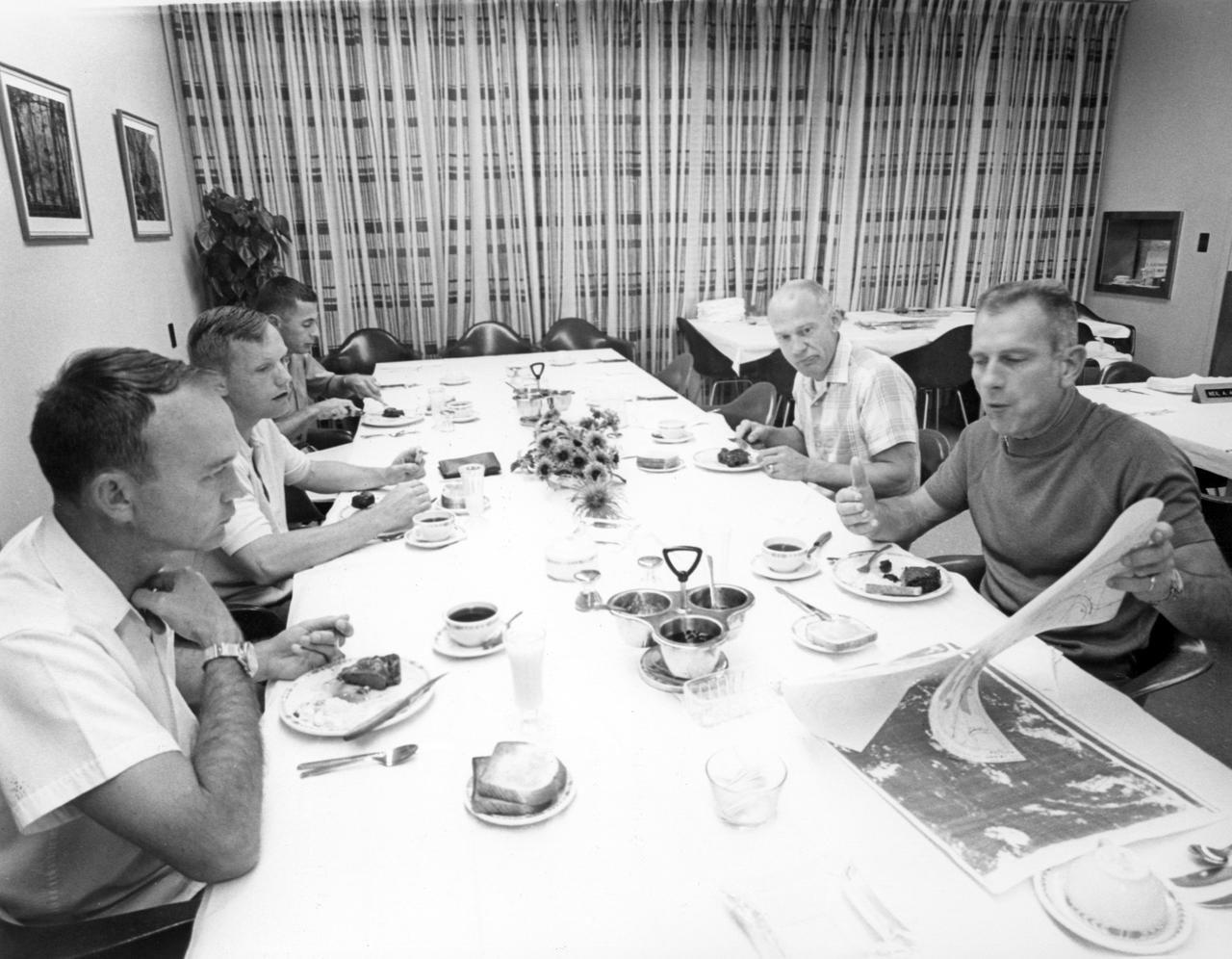
MSFC · 1969-07-16 · 6900561
Saturn Apollo Program
Chief astronaut and director of flight crew operations, Donald K. Slayton (right front) reviews lunar charts with Apollo 11 astronauts Michael Collins (left), Neil Armstrong, and Edwin Aldrin…
Inspect NASA record
Chief astronaut and director of flight crew operations, Donald K. Slayton (right front) reviews lunar charts with Apollo 11 astronauts Michael Collins (left), Neil Armstrong, and Edwin Aldrin (next to Slayton) during breakfast a short time before the three men launched for the first Moon landing mission. Sharing breakfast with the crew was William Anders (left rear), Lunar Module pilot for the Apollo 8 lunar orbit mission. The Apollo 11 mission launched from the NASA Kennedy Space Center (KSC) in Florida via the Marshall Space Flight Center (MSFC) developed Saturn V launch vehicle on July 16, 1969 and safely returned to Earth on July 24, 1969. The CM, “Columbia”, piloted by Collins, remained in a parking orbit around the Moon while the LM, “Eagle’’, carrying astronauts Armstrong and Aldrin, landed on the Moon. On July 20, 1969, Armstrong was the first human to ever stand on the lunar surface, followed by Aldrin. During 2½ hours of surface exploration, the crew collected 47 pounds of lunar surface material for analysis back on Earth. With the success of Apollo 11, the national objective to land men on the Moon and return them safely to Earth had been accomplished.
- Record ID
- 6900561
- NASA center
- MSFC
- Date
- 1969-07-16
- Keywords
- Apollo 11, Moon, Slayton, Collins, Armstrong, Aldrin, Anders, Breakfast, Lunar Charts
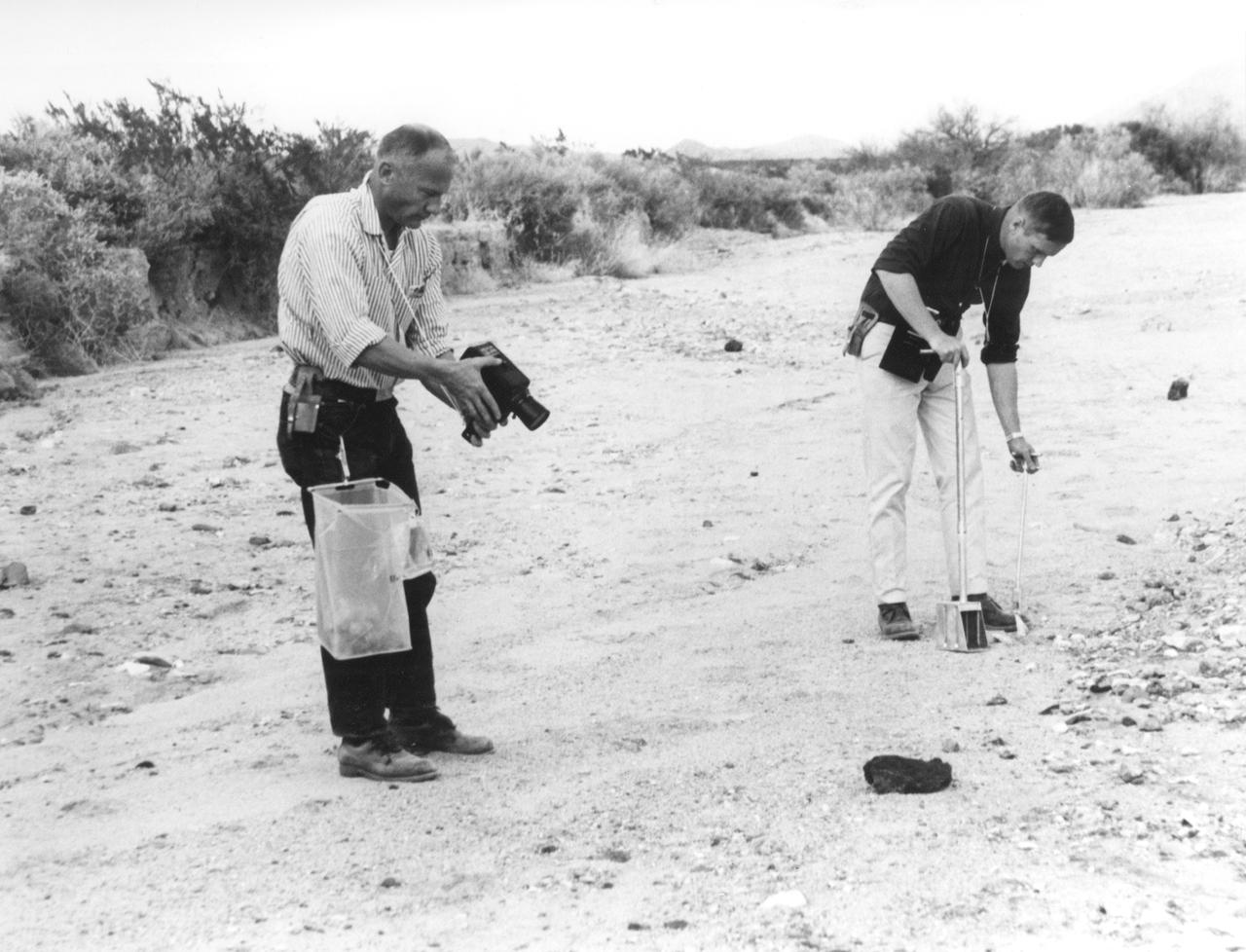
MSFC · 1969-02-25 · 6975098
Saturn Apollo Program
In this photograph, Apollo 11 astronauts Edwin (Buzz) Aldrin (left) and Neil A. Armstrong prepare for the first Lunar landing as they practice gathering rock specimens during a…
Inspect NASA record
In this photograph, Apollo 11 astronauts Edwin (Buzz) Aldrin (left) and Neil A. Armstrong prepare for the first Lunar landing as they practice gathering rock specimens during a geological field trip to the Quitman Mountains area near the Fort Quitman ruins in far west Texas. They used special lunar geological tools to pick up samples and place them in bags.Their practice paid off in July of the same year. Aboard the Marshall Space Fight center (MSFC) developed Saturn V launch vehicle, the Apollo 11 mission launched from the Kennedy Space Center, Florida on July 16, 1969 and safely returned to Earth on July 24, 1969. The 3-man crew aboard the flight consisted of Armstrong, commander; Aldrin, Lunar Module pilot; and a third astronaut Michael Collins, Command Module pilot. Armstrong was the first human to ever stand on the lunar surface, followed by Aldrin, while Collins remained in lunar orbit. The crew collected 47 pounds of lunar surface material which was returned to Earth for analysis. The lunar surface exploration was concluded in 2½ hours.
- Record ID
- 6975098
- NASA center
- MSFC
- Date
- 1969-02-25
- Keywords
- Apollo 11, Lunar Landing, Aldrin, Armstrong, Training, Quitman Mountains
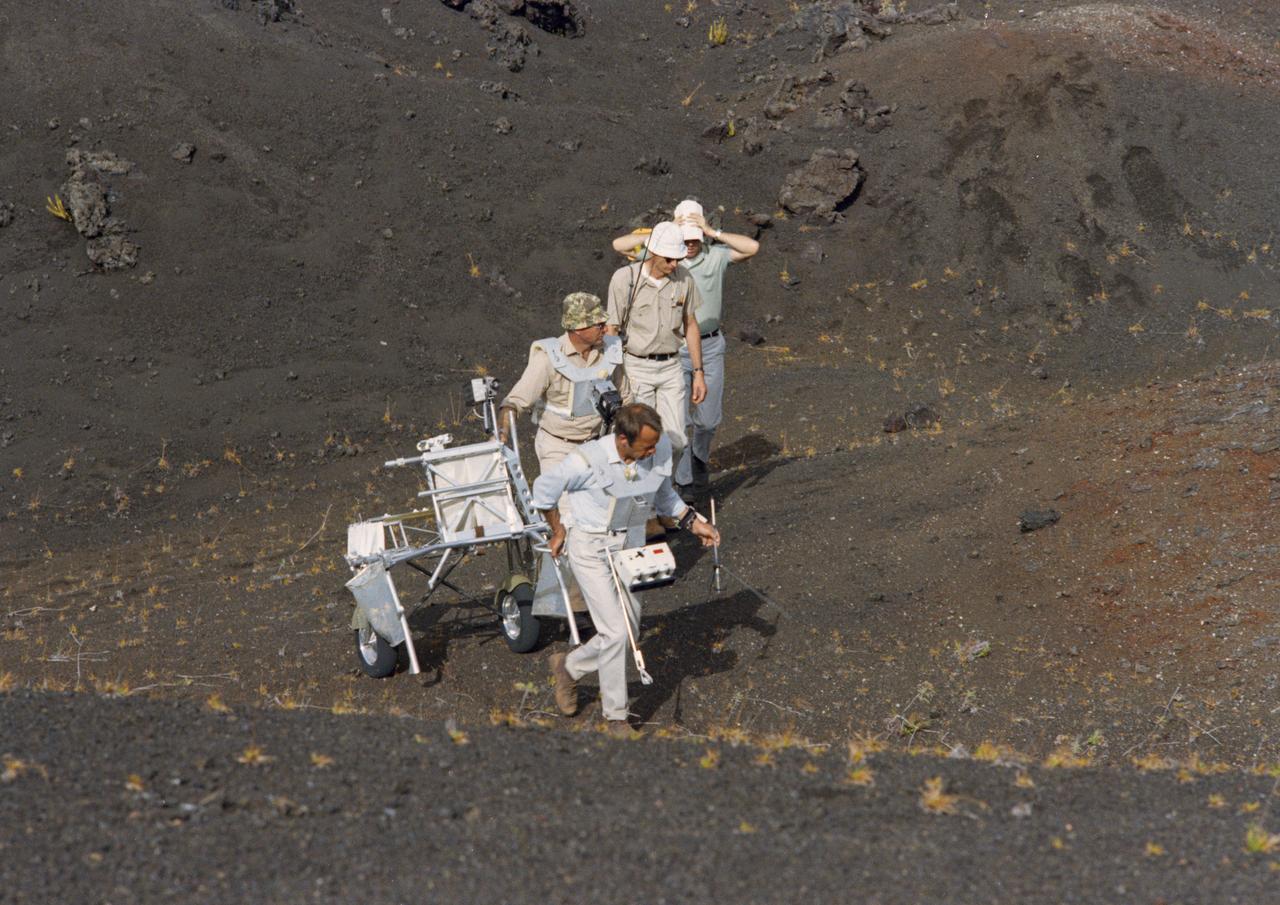
JSC · 1970-04-10 · s70-34416
APOLLO XIV - GEOLOGY TRAINING - HAWAII
S70-34416 (April 1970) --- At Kapoho, Hawaii, two Apollo 14 prime crew members take part in a simulation of a lunar traverse while two persons from the Manned…
Inspect NASA record
S70-34416 (April 1970) --- At Kapoho, Hawaii, two Apollo 14 prime crew members take part in a simulation of a lunar traverse while two persons from the Manned Spacecraft Center (MSC) observe. The prime and backup crews of the Apollo 14 mission were in Hawaii for several days in April 1970 to visit various sites having features similar to those on the lunar surface. Astronaut Alan B. Shepard Jr. (front), prime crew commander, carries a gnomon (from the Apollo Lunar Hand Tools - ALHT) in his left hand while pulling the Modular Equipment Transporter (MET) with his right hand. He is followed by astronaut Edgar D. Mitchell, prime lunar module pilot, with a Hasselblad lunar surface camera. Michael C. McEwen (second from rear) of the Geology Branch, Lunar and Earth Sciences Division, MSC; and Major William J. Wood of the Lunar Surface Operations Office observe the training activity. Photo credit: NASA
- Record ID
- s70-34416
- NASA center
- JSC
- Date
- 1970-04-10
JSC · 1969-05-02 · s69-32616
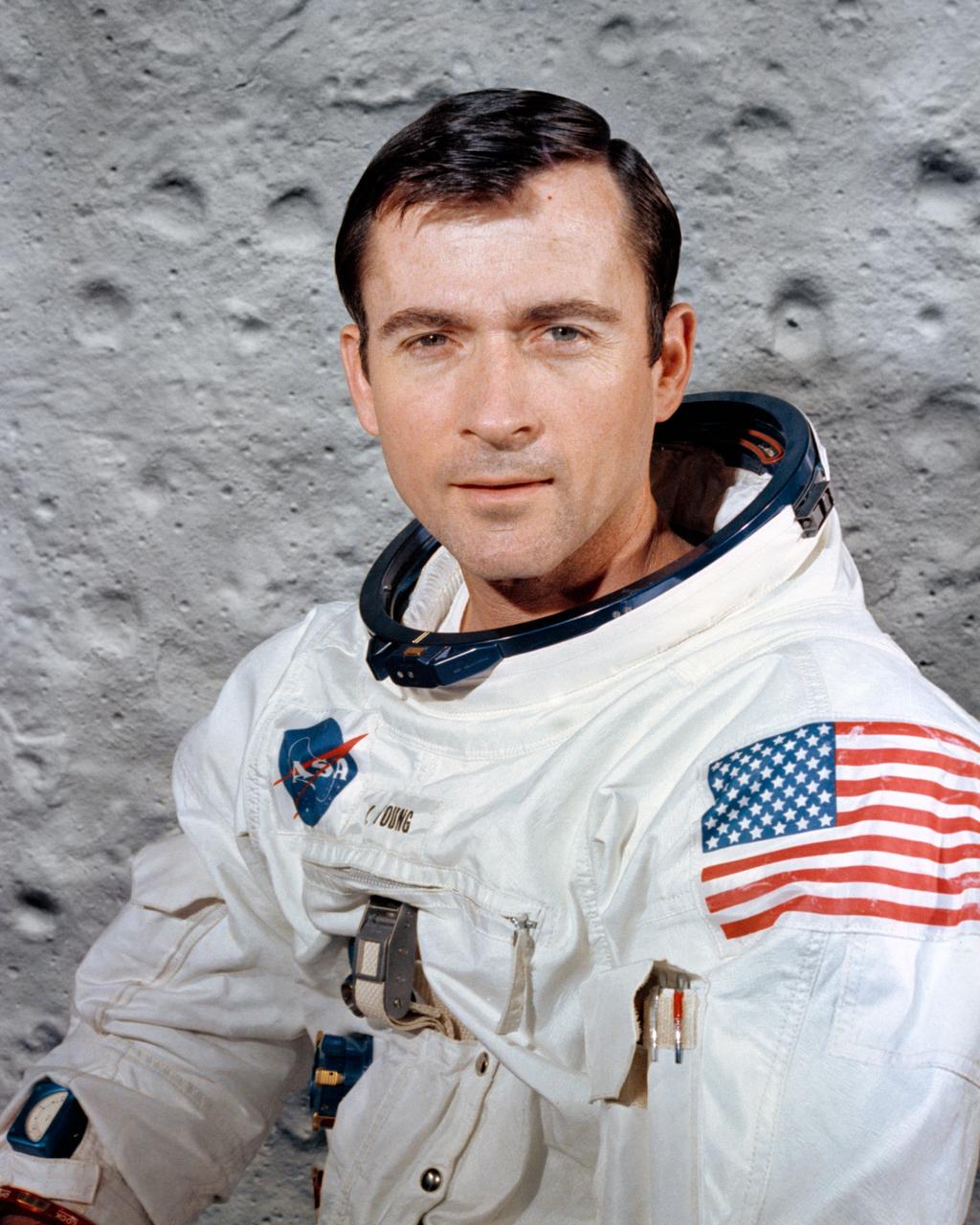
Portrait - Astronaut John W. Young - Apollo X - Cape
S69-32616 (April 1969) --- Astronaut John W. Young, prime crew command module pilot of the Apollo 10 lunar orbit mission.
Inspect NASA record
S69-32616 (April 1969) --- Astronaut John W. Young, prime crew command module pilot of the Apollo 10 lunar orbit mission.
- Record ID
- s69-32616
- NASA center
- JSC
- Date
- 1969-05-02
JSC · 2026-06-25 · jsc2026e396717
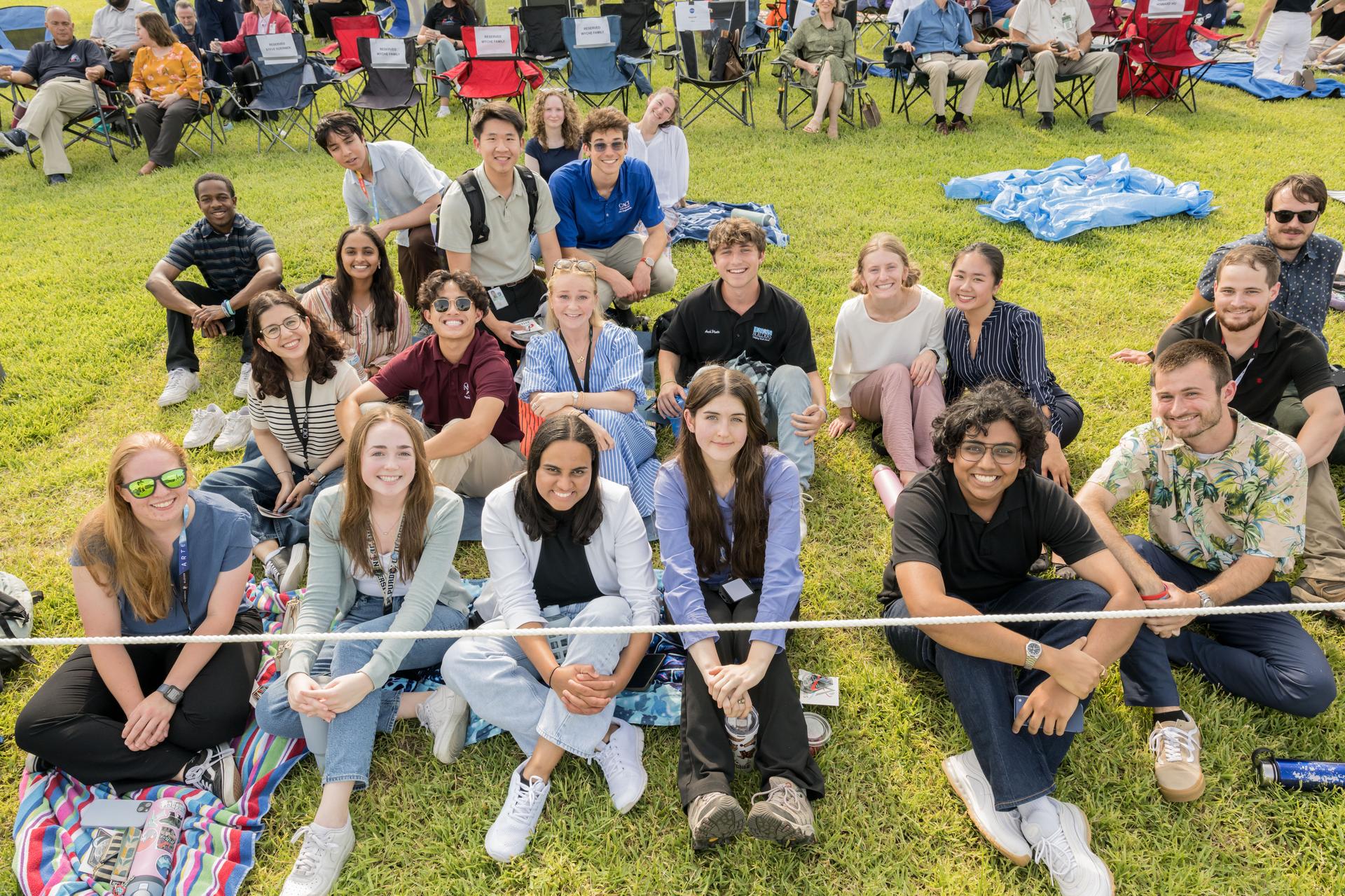
Artemis II Employee Celebration Event
jsc2026e396717 (June 25, 2026) - Attendees celebrate the Artemis II mission at the Lunar Receiving Park at NASA's Johnson Space Center. Credit: NASA
Inspect NASA record
jsc2026e396717 (June 25, 2026) - Attendees celebrate the Artemis II mission at the Lunar Receiving Park at NASA's Johnson Space Center. Credit: NASA
- Record ID
- jsc2026e396717
- NASA center
- JSC
- Date
- 2026-06-25
- Credit
- James Blair - NASA - JSC
- Keywords
- Artemis, Artemis II, Artemis 2, Johnson Space Center, JSC
JSC · 2008-08-06 · S69-60765
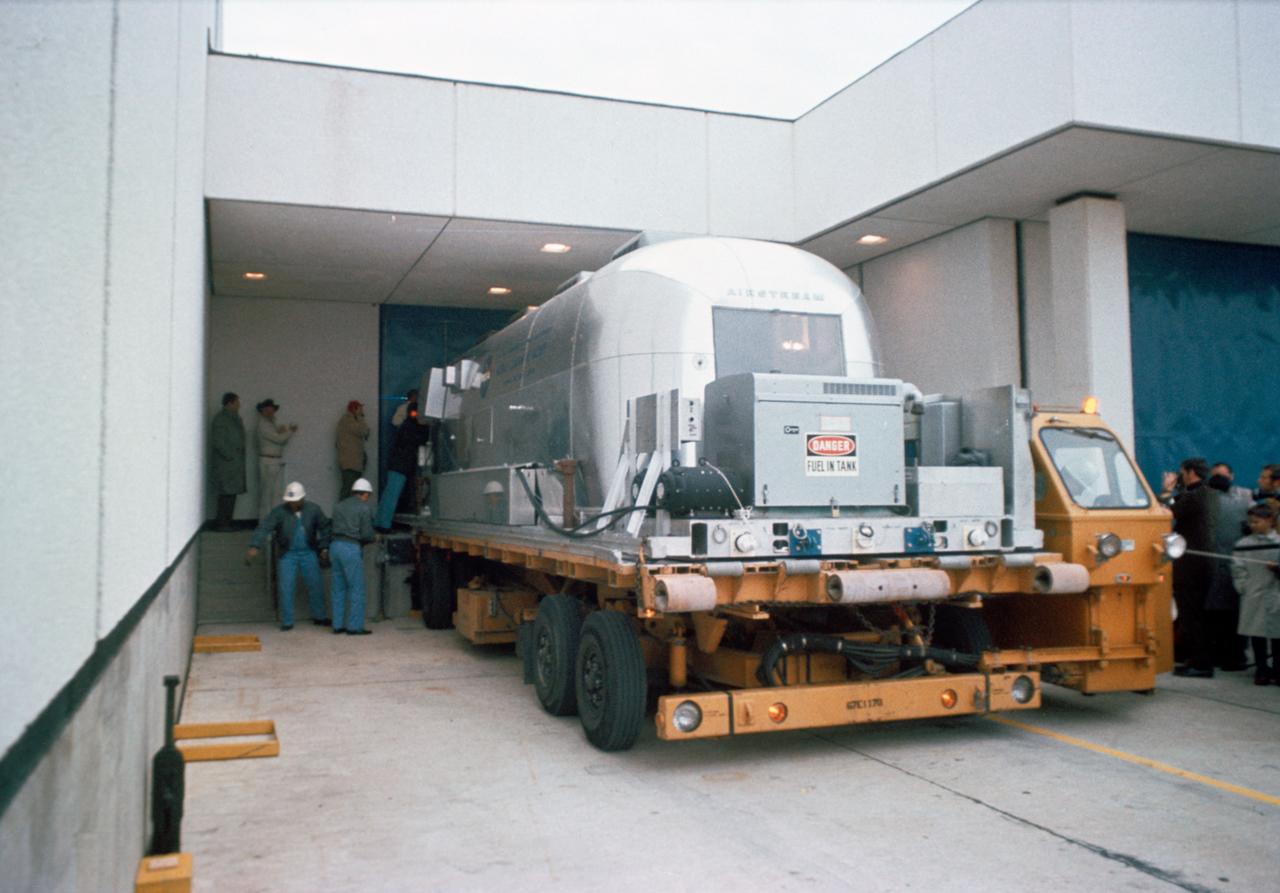
MQF arrival
A Mobile Quarantine Facility (MQF), with the crew of the Apollo XII Lunar Landing Mission aboard, is shown on arriving at JSC, Saturday morning, 11/29/1969.
Inspect NASA record
A Mobile Quarantine Facility (MQF), with the crew of the Apollo XII Lunar Landing Mission aboard, is shown on arriving at JSC, Saturday morning, 11/29/1969.
- Record ID
- S69-60765
- NASA center
- JSC
- Date
- 2008-08-06
JSC · 1967-01-01 · S67-15795
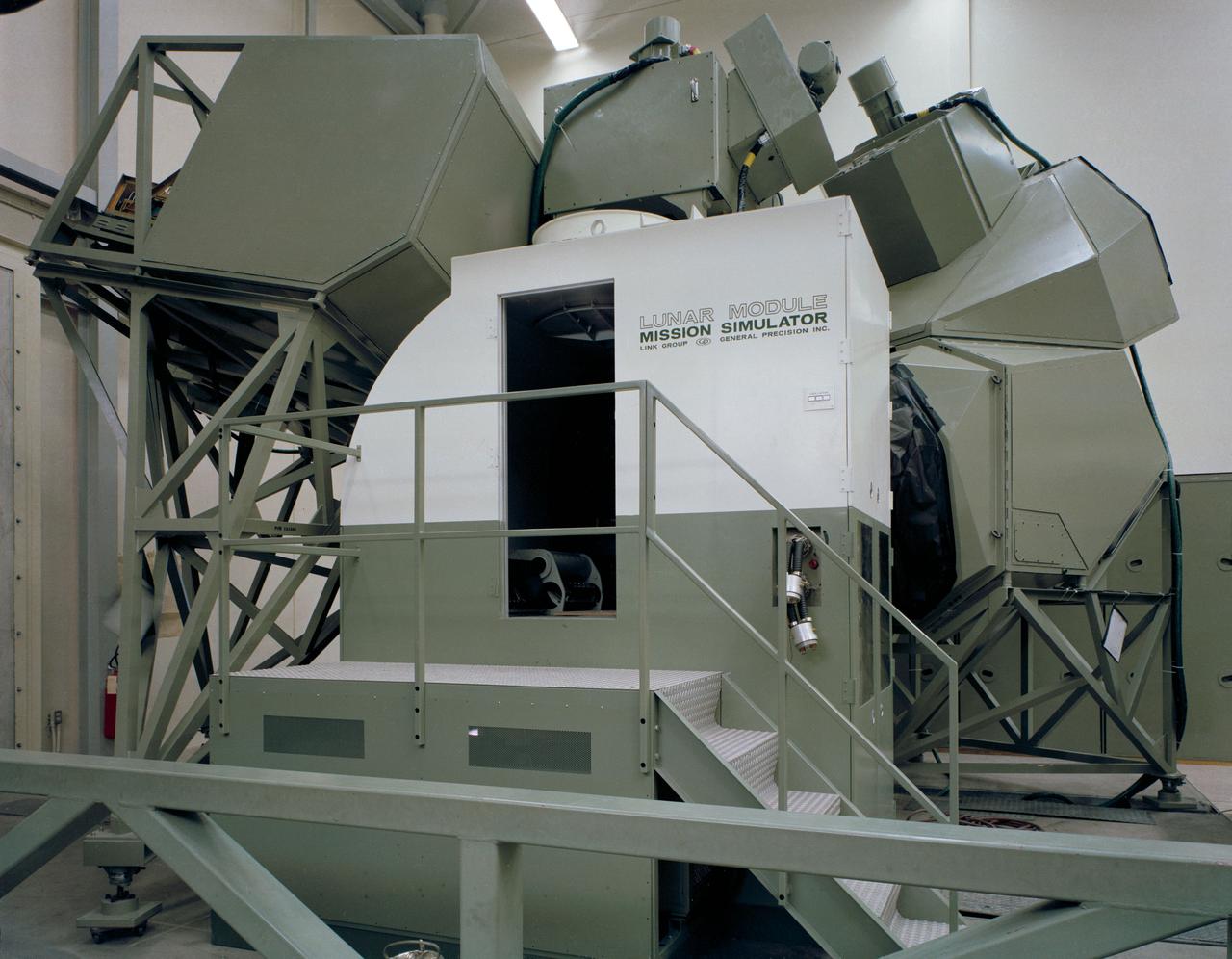
BLDG. 5 - INTERIOR (LM MISSION SIMULATOR)
S67-15795 (1967) --- Overall view of the Lunar Module Mission Simulator, Bldg. 5, Manned Spacecraft Center, Houston, Texas. Photo credit: NASA
Inspect NASA record
S67-15795 (1967) --- Overall view of the Lunar Module Mission Simulator, Bldg. 5, Manned Spacecraft Center, Houston, Texas. Photo credit: NASA
- Record ID
- S67-15795
- NASA center
- JSC
- Date
- 1967-01-01