
Update Site (from NASA)
Explore NASA’s Image and Video Library.
Suggest one object per day for the Interstellar Minds collection. We review each suggestion before adding it.
Sign in to suggest a Marvel.
Find a NASA image ID. Open a NASA record and copy its ID from the end of the details URL.
NASA image records
GSFC · 2017-12-08 · GSFC_20171208_Archive_e001578
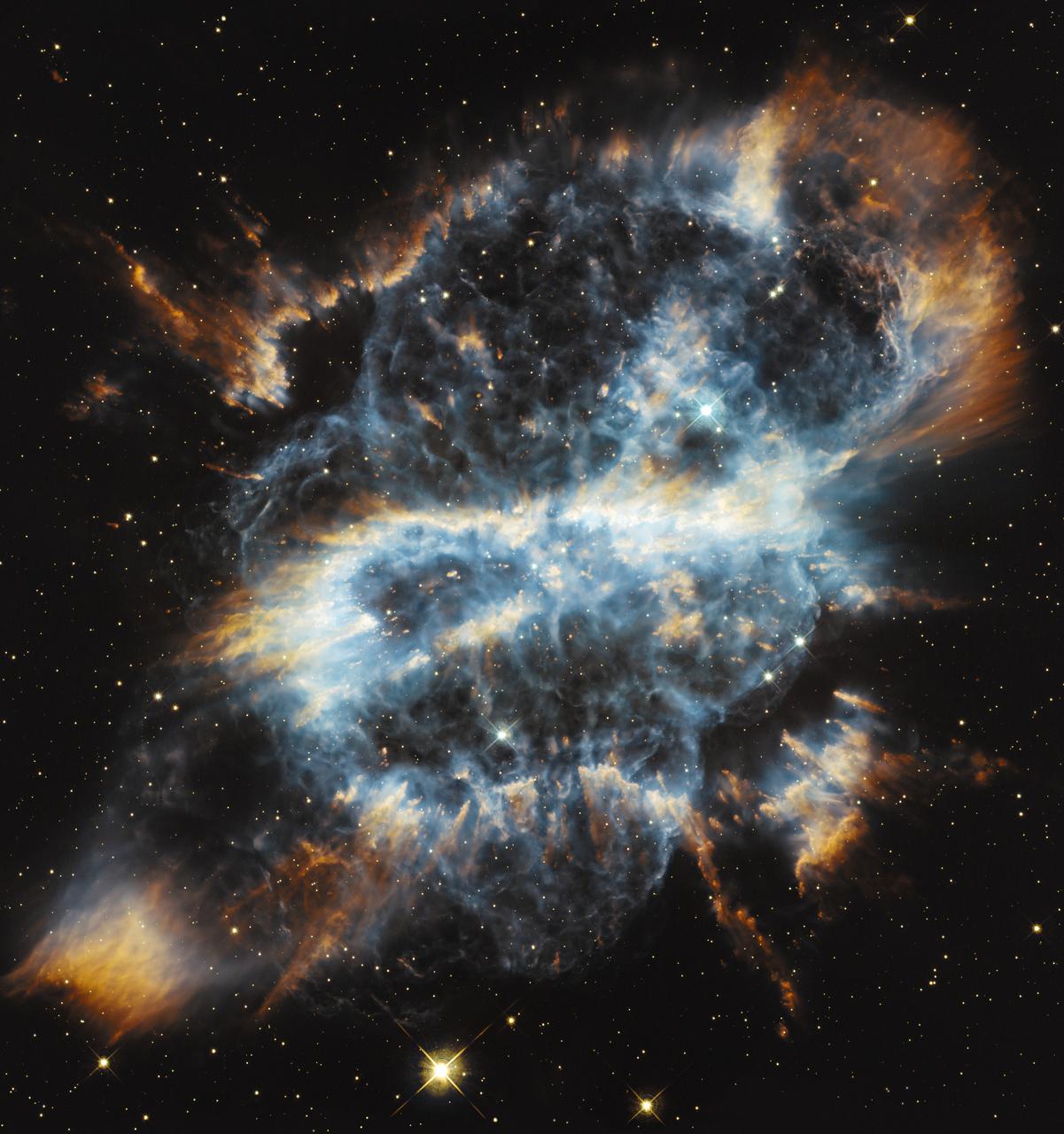
A Cosmic Holiday Ornament, Hubble-Style
'Tis the season for holiday decorating and tree-trimming. Not to be left out, astronomers using NASA's Hubble Space Telescope have photographed a festive-looking nearby planetary nebula called NGC…
Inspect NASA record
'Tis the season for holiday decorating and tree-trimming. Not to be left out, astronomers using NASA's Hubble Space Telescope have photographed a festive-looking nearby planetary nebula called NGC 5189. The intricate structure of this bright gaseous nebula resembles a glass-blown holiday ornament with a glowing ribbon entwined. Planetary nebulae represent the final brief stage in the life of a medium-sized star like our sun. While consuming the last of the fuel in its core, the dying star expels a large portion of its outer envelope. This material then becomes heated by the radiation from the stellar remnant and radiates, producing glowing clouds of gas that can show complex structures, as the ejection of mass from the star is uneven in both time and direction. To read more go to: www.nasa.gov/mission_pages/hubble/science/ngc5189.html Credit: NASA, ESA, and G. Bacon (STScI) NASA image use policy. NASA Goddard Space Flight Center enables NASA’s mission through four scientific endeavors: Earth Science, Heliophysics, Solar System Exploration, and Astrophysics. Goddard plays a leading role in NASA’s accomplishments by contributing compelling scientific knowledge to advance the Agency’s mission. Follow us on Twitter Like us on Facebook Find us on Instagram
- Record ID
- GSFC_20171208_Archive_e001578
- NASA center
- GSFC
- Date
- 2017-12-08
- Keywords
- A Cosmic Holiday Ornament, Hubble-Style, nasa, hubble, hst
GSFC · 2017-12-08 · GSFC_20171208_Archive_e001540
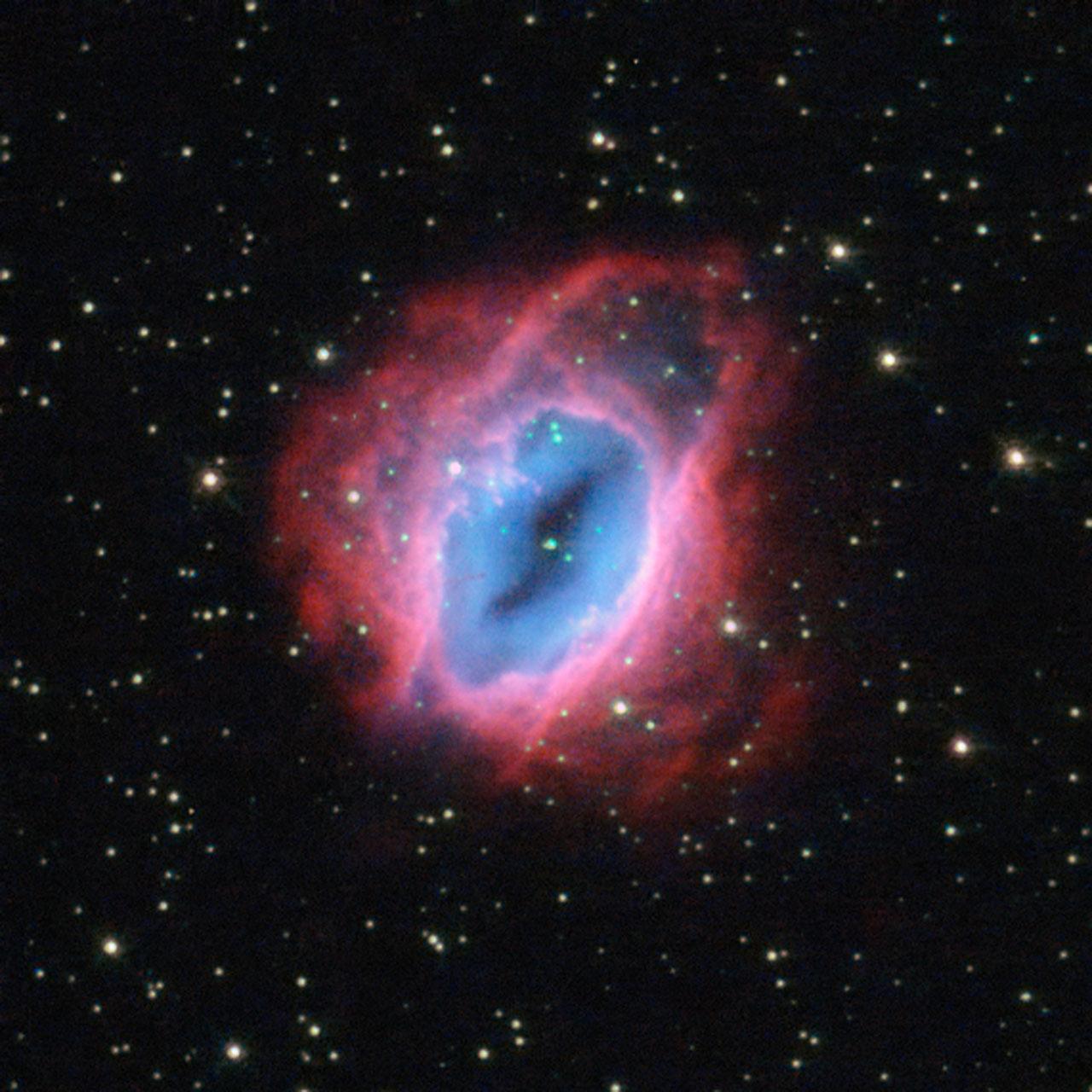
Hubble Observes Glowing, Fiery Shells of Gas
It may look like something from "The Lord of the Rings," but this fiery swirl is actually a planetary nebula known as ESO 456-67. Set against a backdrop…
Inspect NASA record
It may look like something from "The Lord of the Rings," but this fiery swirl is actually a planetary nebula known as ESO 456-67. Set against a backdrop of bright stars, the rust-colored object lies in the constellation of Sagittarius (The Archer), in the southern sky. In this image of ESO 456-67, it is possible to see the various layers of material expelled by the central star. Each appears in a different hue - red, orange, yellow, and green-tinted bands of gas are visible, with clear patches of space at the heart of the nebula. It is not fully understood how planetary nebulae form such a wide variety of shapes and structures; some appear to be spherical, some elliptical, others shoot material in waves from their polar regions, some look like hourglasses or figures of eight, and others resemble large, messy stellar explosions - to name but a few. Image Credit: ESA/Hubble and NASA NASA image use policy. NASA Goddard Space Flight Center enables NASA’s mission through four scientific endeavors: Earth Science, Heliophysics, Solar System Exploration, and Astrophysics. Goddard plays a leading role in NASA’s accomplishments by contributing compelling scientific knowledge to advance the Agency’s mission. Follow us on Twitter Like us on Facebook Find us on Instagram
- Record ID
- GSFC_20171208_Archive_e001540
- NASA center
- GSFC
- Date
- 2017-12-08
- Keywords
- Hubble Observes Glowing, Fiery Shells of Gas, nasa, nebula, goddard, hubble, hst, ic1590
JPL · 2023-04-12 · PIA25832
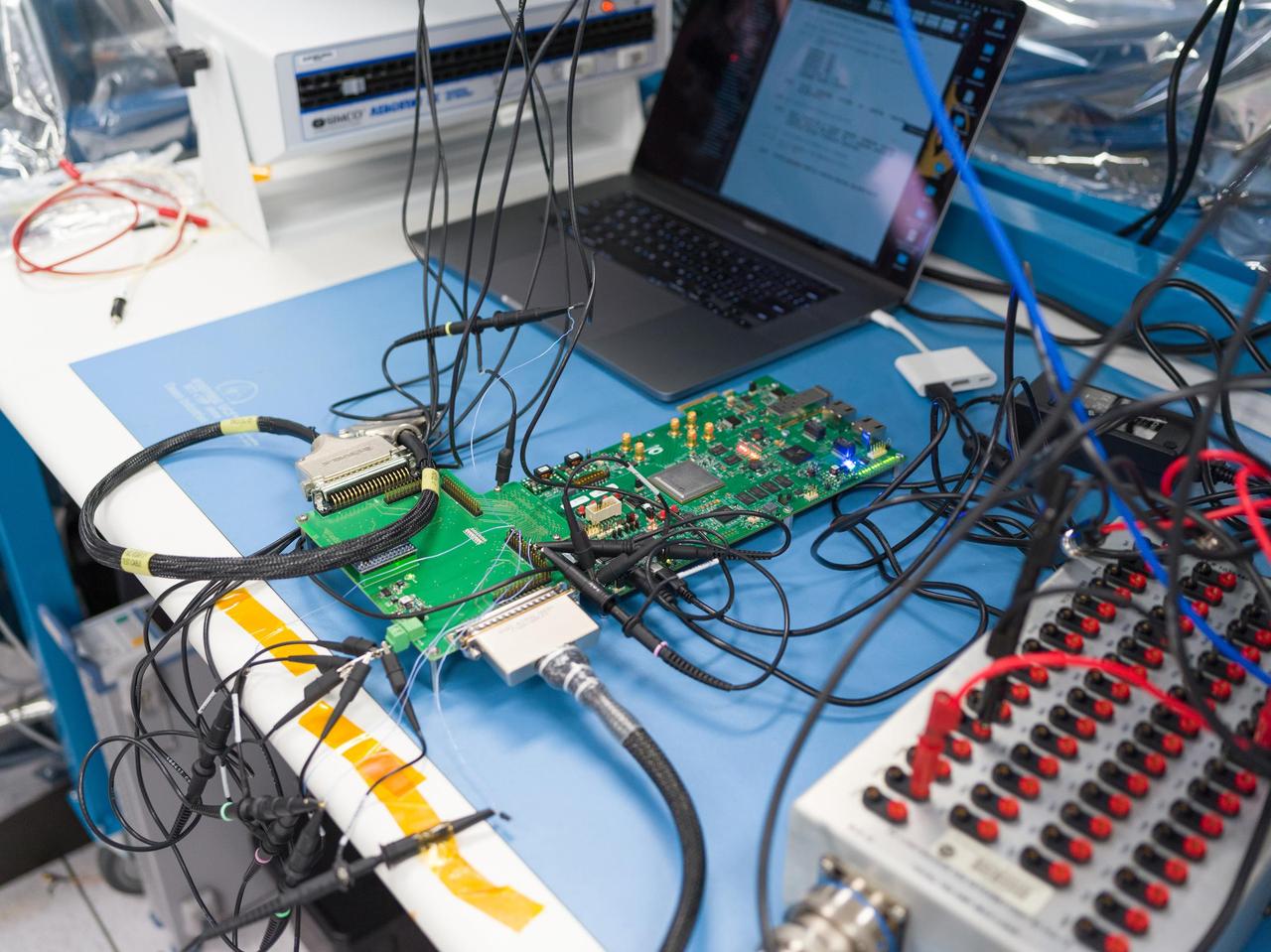
First Tests for the VERITAS' Venus Interferometric Synthetic Aperture Radar
Seen here in March 2023, prototype hardware for the Venus Interferometric Synthetic Aperture Radar (VISAR) underwent interface testing at NASA's Jet Propulsion Laboratory in Southern California. VISAR is…
Inspect NASA record
Seen here in March 2023, prototype hardware for the Venus Interferometric Synthetic Aperture Radar (VISAR) underwent interface testing at NASA's Jet Propulsion Laboratory in Southern California. VISAR is being developed at JPL for NASA's Venus Emissivity Radio Science, InSAR, Topography & Spectroscopy (VERITAS) mission that will launch within a decade to explore Earth's twin. These early interface tests are the first in a series to be run by JPL and Thales Alenia Space Italy (TASI), an international partner of the VERITAS mission that is contributing hardware to the instrument. Figure A shows TASI engineers Luca Di Marco Napini and Gabriel Mihu working in a JPL cleanroom on the VISAR prototype hardware. When VERITAS arrives in orbit, it will use VISAR to create detailed 3D global maps of Venus. The spacecraft will also carry a near-infrared spectrometer to figure out what the surface is made of. Together, the instruments will offer clues about the planet's past and present geologic processes, help reveal how the paths of Venus and Earth diverged, and how Venus lost its potential as a habitable world. VERITAS is managed by JPL. VERITAS and NASA's Deep Atmosphere Venus Investigation of Noble gases, Chemistry, and Imaging (DAVINCI) mission were selected in 2021 under NASA's Discovery Program as the agency's next missions to Venus. The Discovery Program is managed by the Planetary Missions Program Office at NASA's Marshall Space Flight Center in Huntsville, Alabama, for the Planetary Science Division of NASA's Science Mission Directorate in Washington. https://photojournal.jpl.nasa.gov/catalog/PIA25832
- Record ID
- PIA25832
- NASA center
- JPL
- Date
- 2023-04-12
- Credit
- NASA/JPL-Caltech
- Keywords
- VERITAS

KSC · 2024-08-18 · KSC-20240818-PH-NLP01_0002
ESCAPADE Unloading
Two small spacecrafts satellites that make up NASA’s ESCAPADE (Escape and Plasma Acceleration and Dynamics Explorers) mission to Mars arrived at Astrotech Space Operations in Titusville, near NASA’s…
Inspect NASA record
Two small spacecrafts satellites that make up NASA’s ESCAPADE (Escape and Plasma Acceleration and Dynamics Explorers) mission to Mars arrived at Astrotech Space Operations in Titusville, near NASA’s Kennedy Space Center in Florida on Sunday, Aug. 19, 2024. Set to launch from Blue Origin’s New Glenn rocket, the Rocket Lab spacecraft will study the solar wind and how the solar wind interacts with Mars’ magnetic environment and how this interaction drives the planet’s atmospheric escape.
- Record ID
- KSC-20240818-PH-NLP01_0002
- NASA center
- KSC
- Date
- 2024-08-18
- Credit
- NASA/Norman Phelps
- Keywords
- ESCAPADE, Mars, Launch Services Program, LSP, U.C. Berkeley, Rocket Lab, Blue Origin, New Glenn, Escape and Plasma Acceleration and Dynamics Explorers, magnetosphere, solar wind, Small Innovative Missions for Planetary Exploration (SIMPLEx)
KSC · 2024-08-22 · KSC-20240822-PH-KLS01_0033
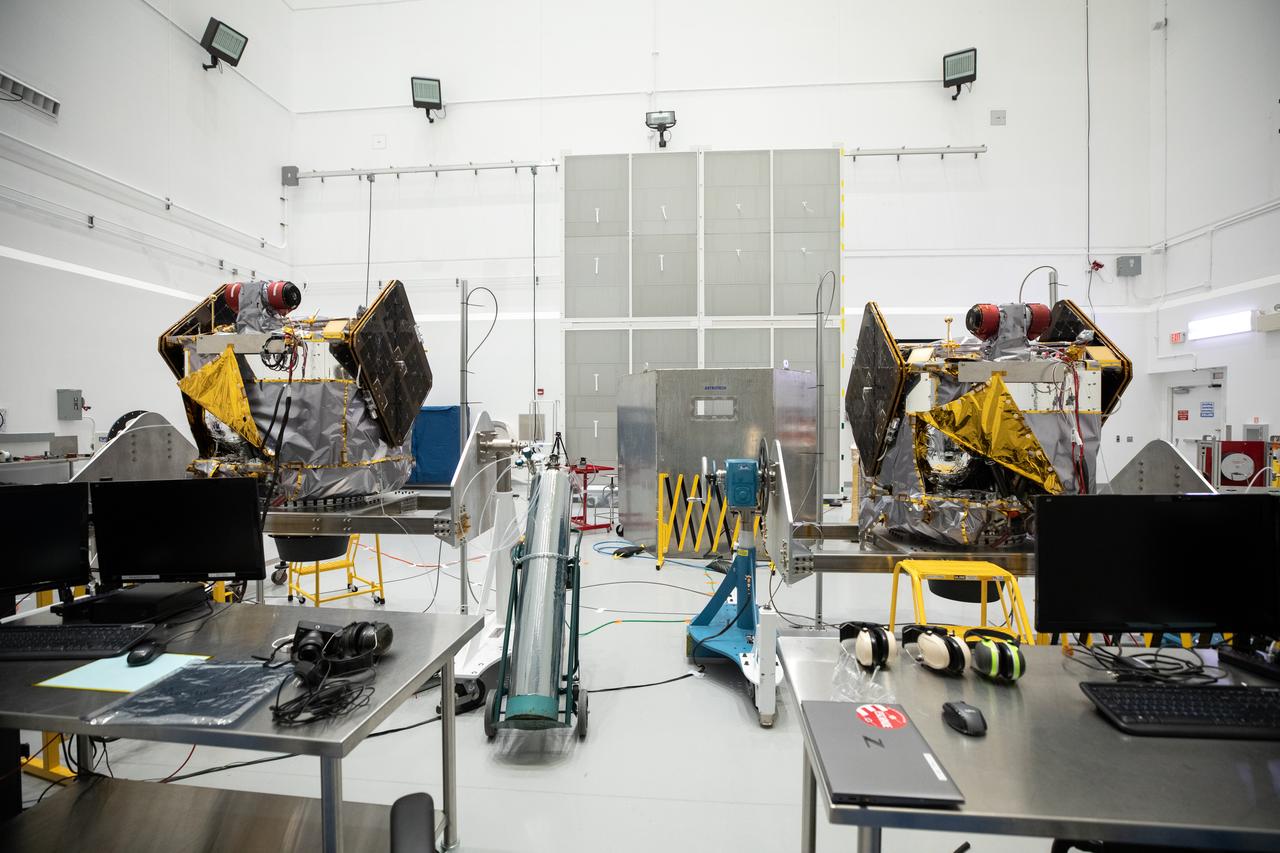
ESCAPADE Unboxed at Astrotech
NASA’s ESCAPADE (Escape and Plasma Acceleration and Dynamics Explorers) identical dual spacecraft are inspected and processed on dollies in a high bay of the Astrotech Space Operations Facility…
Inspect NASA record
NASA’s ESCAPADE (Escape and Plasma Acceleration and Dynamics Explorers) identical dual spacecraft are inspected and processed on dollies in a high bay of the Astrotech Space Operations Facility near the agency’s Kennedy Space Center in Florida on Thursday, Aug. 22, 2024. As the first multi-spacecraft orbital science mission to Mars, ESCAPADE’s twin orbiters will take simultaneous observations from different locations around the planet and reveal the real-time response to space weather and how the Martian magnetosphere changes over time.
- Record ID
- KSC-20240822-PH-KLS01_0033
- NASA center
- KSC
- Date
- 2024-08-22
- Credit
- NASA/Kim Shiflett
- Keywords
- Blue Origin, ESCAPADE, Escape and Plasma Acceleration and Dynamics Explorers, LSP, Launch Services Program, Mars, New Glenn, Rocket Lab, Small Innovative Missions for Planetary Exploration (SIMPLEx), U.C. Berkeley, magnetosphere, satellites

KSC · 2024-08-18 · KSC-20240818-PH-NLP01_0003
ESCAPADE Unloading
Two small spacecrafts satellites that make up NASA’s ESCAPADE (Escape and Plasma Acceleration and Dynamics Explorers) mission to Mars arrived at Astrotech Space Operations in Titusville, near NASA’s…
Inspect NASA record
Two small spacecrafts satellites that make up NASA’s ESCAPADE (Escape and Plasma Acceleration and Dynamics Explorers) mission to Mars arrived at Astrotech Space Operations in Titusville, near NASA’s Kennedy Space Center in Florida on Sunday, Aug. 19, 2024. Set to launch from Blue Origin’s New Glenn rocket, the Rocket Lab spacecraft will study the solar wind and how the solar wind interacts with Mars’ magnetic environment and how this interaction drives the planet’s atmospheric escape.
- Record ID
- KSC-20240818-PH-NLP01_0003
- NASA center
- KSC
- Date
- 2024-08-18
- Credit
- NASA/Norman Phelps
- Keywords
- ESCAPADE, Mars, Launch Services Program, LSP, U.C. Berkeley, Rocket Lab, Blue Origin, New Glenn, Escape and Plasma Acceleration and Dynamics Explorers, magnetosphere, solar wind, Small Innovative Missions for Planetary Exploration (SIMPLEx)
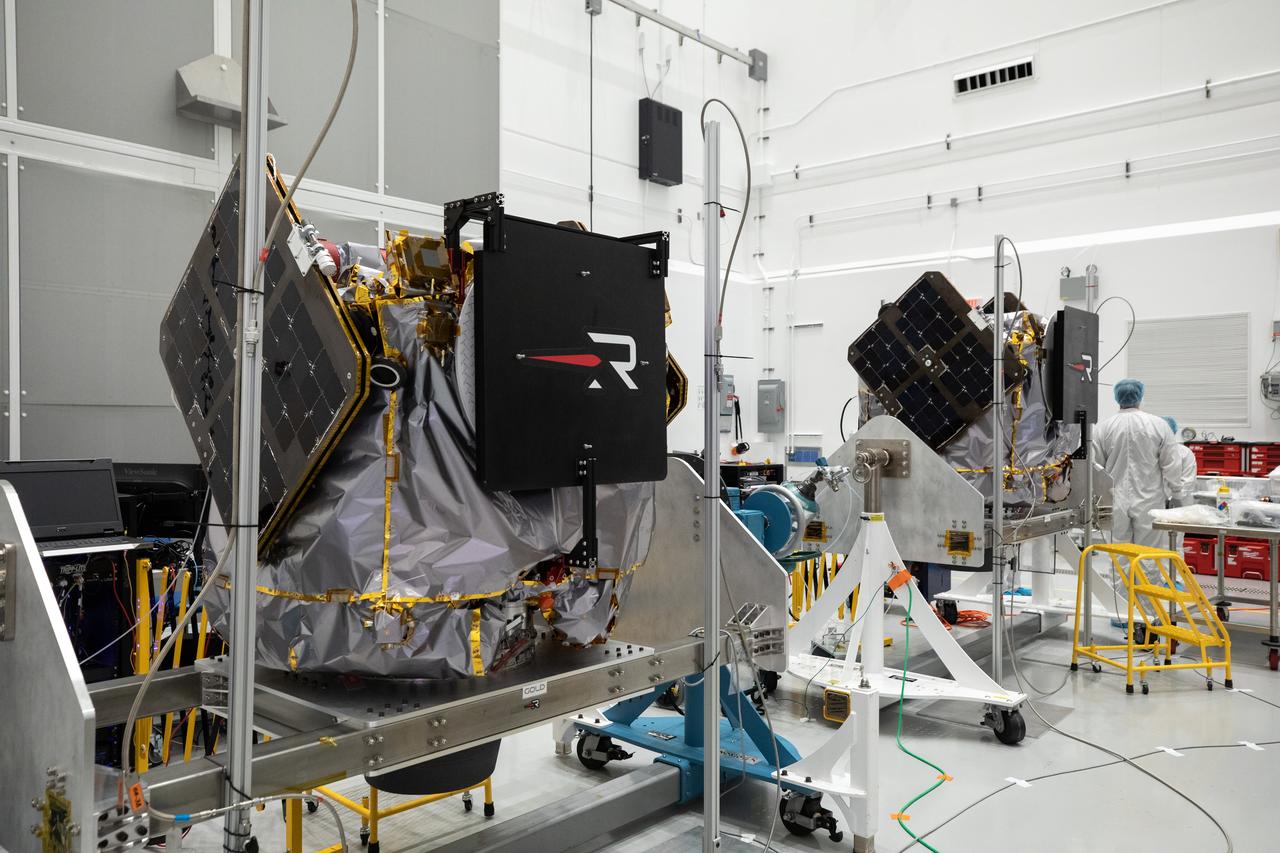
KSC · 2024-08-22 · KSC-20240822-PH-KLS01_0003
ESCAPADE Unboxed at Astrotech
NASA’s ESCAPADE (Escape and Plasma Acceleration and Dynamics Explorers) identical dual spacecraft are inspected and processed on dollies in a high bay of the Astrotech Space Operations Facility…
Inspect NASA record
NASA’s ESCAPADE (Escape and Plasma Acceleration and Dynamics Explorers) identical dual spacecraft are inspected and processed on dollies in a high bay of the Astrotech Space Operations Facility near the agency’s Kennedy Space Center in Florida on Thursday, Aug. 22, 2024. As the first multi-spacecraft orbital science mission to Mars, ESCAPADE’s twin orbiters will take simultaneous observations from different locations around the planet and reveal the real-time response to space weather and how the Martian magnetosphere changes over time.
- Record ID
- KSC-20240822-PH-KLS01_0003
- NASA center
- KSC
- Date
- 2024-08-22
- Credit
- NASA/Kim Shiflett
- Keywords
- Blue Origin, ESCAPADE, Escape and Plasma Acceleration and Dynamics Explorers, LSP, Launch Services Program, Mars, New Glenn, Rocket Lab, Small Innovative Missions for Planetary Exploration (SIMPLEx), U.C. Berkeley, magnetosphere, satellites
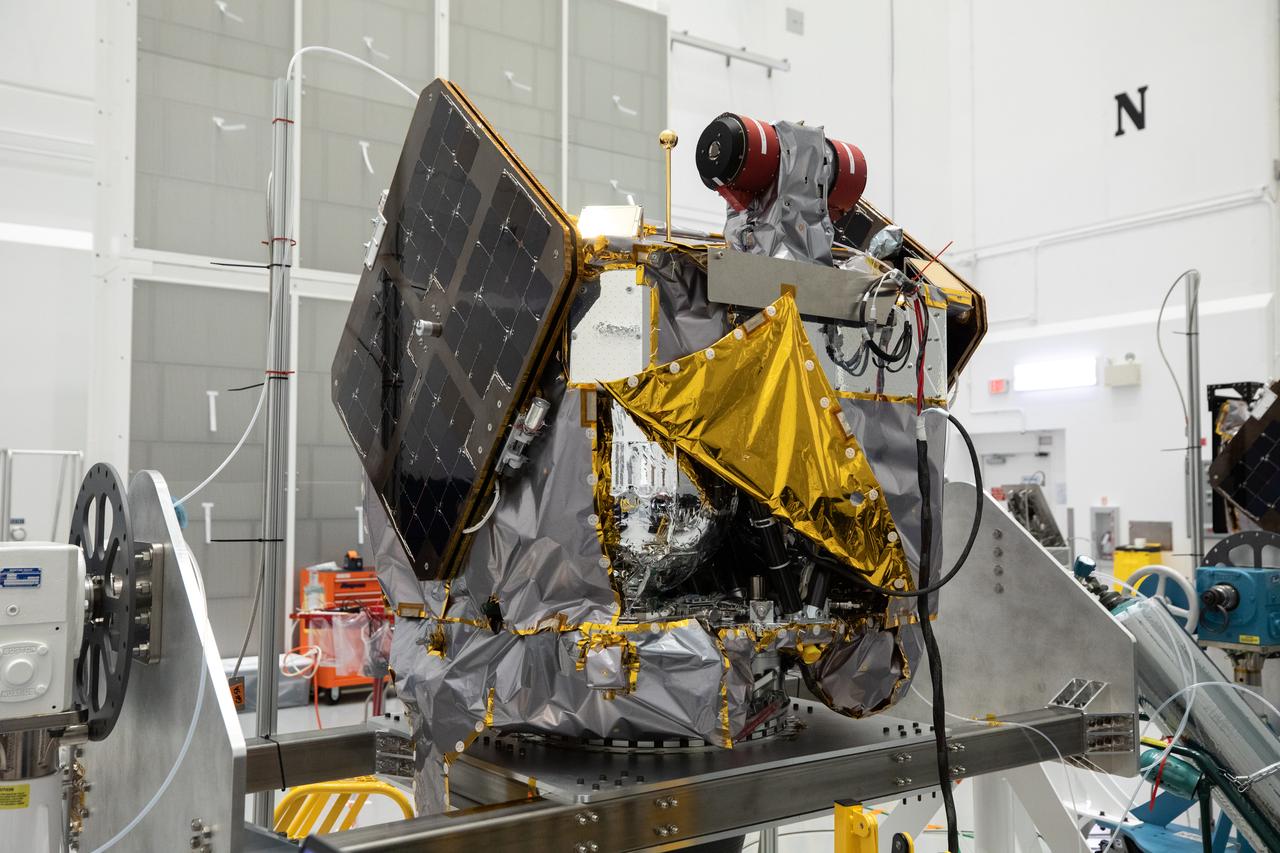
KSC · 2024-08-22 · KSC-20240822-PH-KLS01_0013
ESCAPADE Unboxed at Astrotech
NASA’s ESCAPADE (Escape and Plasma Acceleration and Dynamics Explorers) identical dual spacecraft are inspected and processed on dollies in a high bay of the Astrotech Space Operations Facility…
Inspect NASA record
NASA’s ESCAPADE (Escape and Plasma Acceleration and Dynamics Explorers) identical dual spacecraft are inspected and processed on dollies in a high bay of the Astrotech Space Operations Facility near the agency’s Kennedy Space Center in Florida on Thursday, Aug. 22, 2024. As the first multi-spacecraft orbital science mission to Mars, ESCAPADE’s twin orbiters will take simultaneous observations from different locations around the planet and reveal the real-time response to space weather and how the Martian magnetosphere changes over time.
- Record ID
- KSC-20240822-PH-KLS01_0013
- NASA center
- KSC
- Date
- 2024-08-22
- Credit
- NASA/Kim Shiflett
- Keywords
- Blue Origin, ESCAPADE, Escape and Plasma Acceleration and Dynamics Explorers, LSP, Launch Services Program, Mars, New Glenn, Rocket Lab, Small Innovative Missions for Planetary Exploration (SIMPLEx), U.C. Berkeley, magnetosphere, satellites
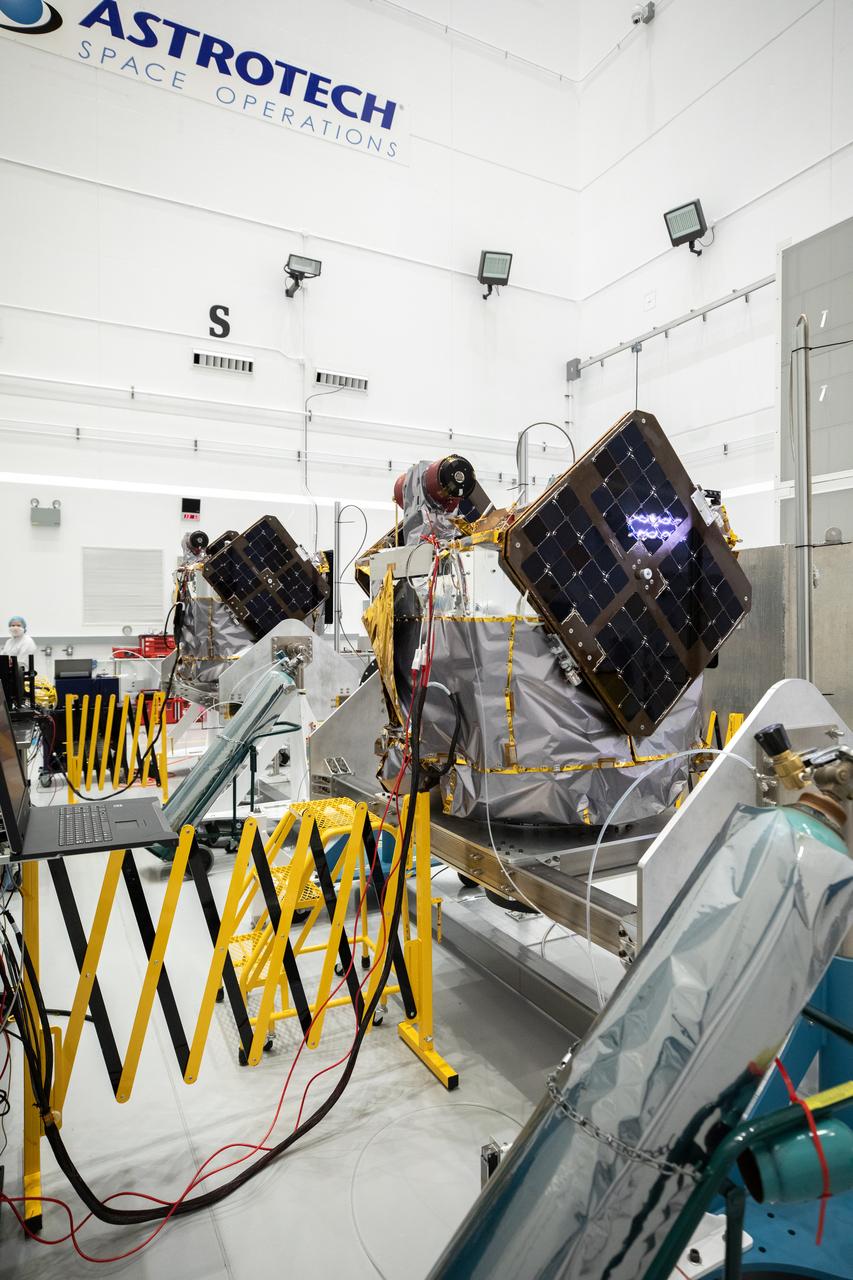
KSC · 2024-08-22 · KSC-20240822-PH-KLS01_0029
ESCAPADE Unboxed at Astrotech
NASA’s ESCAPADE (Escape and Plasma Acceleration and Dynamics Explorers) identical dual spacecraft are inspected and processed on dollies in a high bay of the Astrotech Space Operations Facility…
Inspect NASA record
NASA’s ESCAPADE (Escape and Plasma Acceleration and Dynamics Explorers) identical dual spacecraft are inspected and processed on dollies in a high bay of the Astrotech Space Operations Facility near the agency’s Kennedy Space Center in Florida on Thursday, Aug. 22, 2024. As the first multi-spacecraft orbital science mission to Mars, ESCAPADE’s twin orbiters will take simultaneous observations from different locations around the planet and reveal the real-time response to space weather and how the Martian magnetosphere changes over time.
- Record ID
- KSC-20240822-PH-KLS01_0029
- NASA center
- KSC
- Date
- 2024-08-22
- Credit
- NASA/Kim Shiflett
- Keywords
- Blue Origin, ESCAPADE, Escape and Plasma Acceleration and Dynamics Explorers, LSP, Launch Services Program, Mars, New Glenn, Rocket Lab, Small Innovative Missions for Planetary Exploration (SIMPLEx), U.C. Berkeley, magnetosphere, satellites
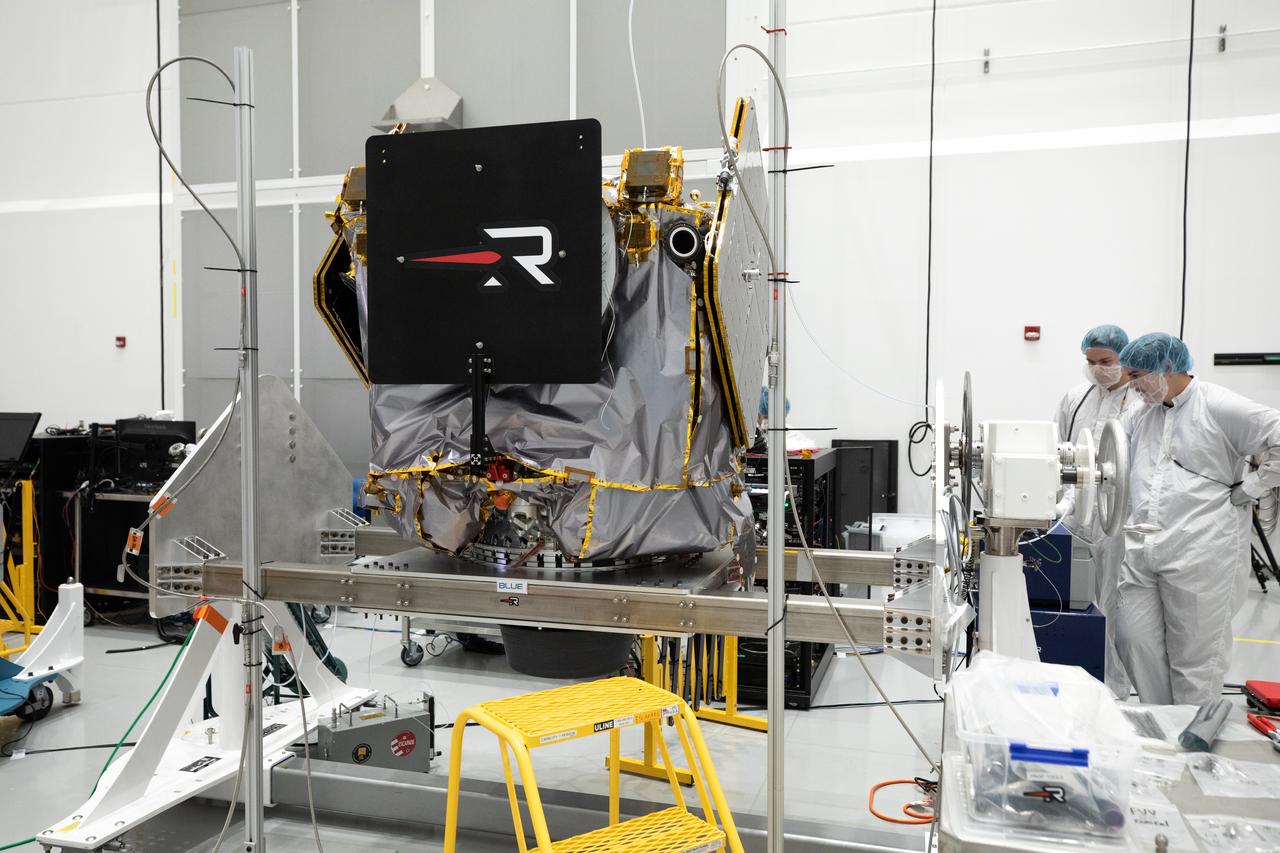
KSC · 2024-08-22 · KSC-20240822-PH-KLS01_0001
ESCAPADE Unboxed at Astrotech
NASA’s ESCAPADE (Escape and Plasma Acceleration and Dynamics Explorers) identical dual spacecraft are inspected and processed on dollies in a high bay of the Astrotech Space Operations Facility…
Inspect NASA record
NASA’s ESCAPADE (Escape and Plasma Acceleration and Dynamics Explorers) identical dual spacecraft are inspected and processed on dollies in a high bay of the Astrotech Space Operations Facility near the agency’s Kennedy Space Center in Florida on Thursday, Aug. 22, 2024. As the first multi-spacecraft orbital science mission to Mars, ESCAPADE’s twin orbiters will take simultaneous observations from different locations around the planet and reveal the real-time response to space weather and how the Martian magnetosphere changes over time.
- Record ID
- KSC-20240822-PH-KLS01_0001
- NASA center
- KSC
- Date
- 2024-08-22
- Credit
- NASA/Kim Shiflett
- Keywords
- Blue Origin, ESCAPADE, Escape and Plasma Acceleration and Dynamics Explorers, LSP, Launch Services Program, Mars, New Glenn, Rocket Lab, Small Innovative Missions for Planetary Exploration (SIMPLEx), U.C. Berkeley, magnetosphere, satellites
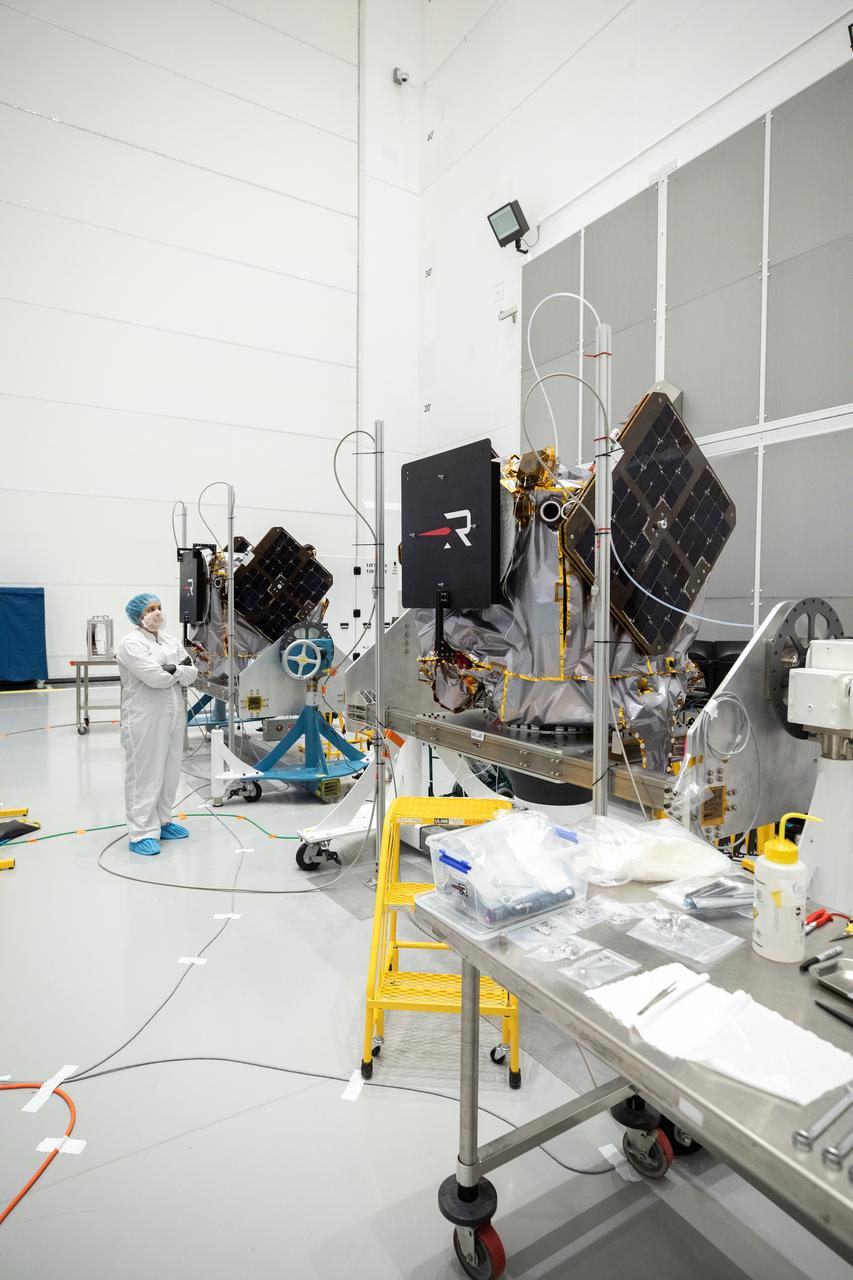
KSC · 2024-08-22 · KSC-20240822-PH-KLS01_0022
ESCAPADE Unboxed at Astrotech
NASA’s ESCAPADE (Escape and Plasma Acceleration and Dynamics Explorers) identical dual spacecraft are inspected and processed on dollies in a high bay of the Astrotech Space Operations Facility…
Inspect NASA record
NASA’s ESCAPADE (Escape and Plasma Acceleration and Dynamics Explorers) identical dual spacecraft are inspected and processed on dollies in a high bay of the Astrotech Space Operations Facility near the agency’s Kennedy Space Center in Florida on Thursday, Aug. 22, 2024. As the first multi-spacecraft orbital science mission to Mars, ESCAPADE’s twin orbiters will take simultaneous observations from different locations around the planet and reveal the real-time response to space weather and how the Martian magnetosphere changes over time.
- Record ID
- KSC-20240822-PH-KLS01_0022
- NASA center
- KSC
- Date
- 2024-08-22
- Credit
- NASA/Kim Shiflett
- Keywords
- Blue Origin, ESCAPADE, Escape and Plasma Acceleration and Dynamics Explorers, LSP, Launch Services Program, Mars, New Glenn, Rocket Lab, Small Innovative Missions for Planetary Exploration (SIMPLEx), U.C. Berkeley, magnetosphere, satellites
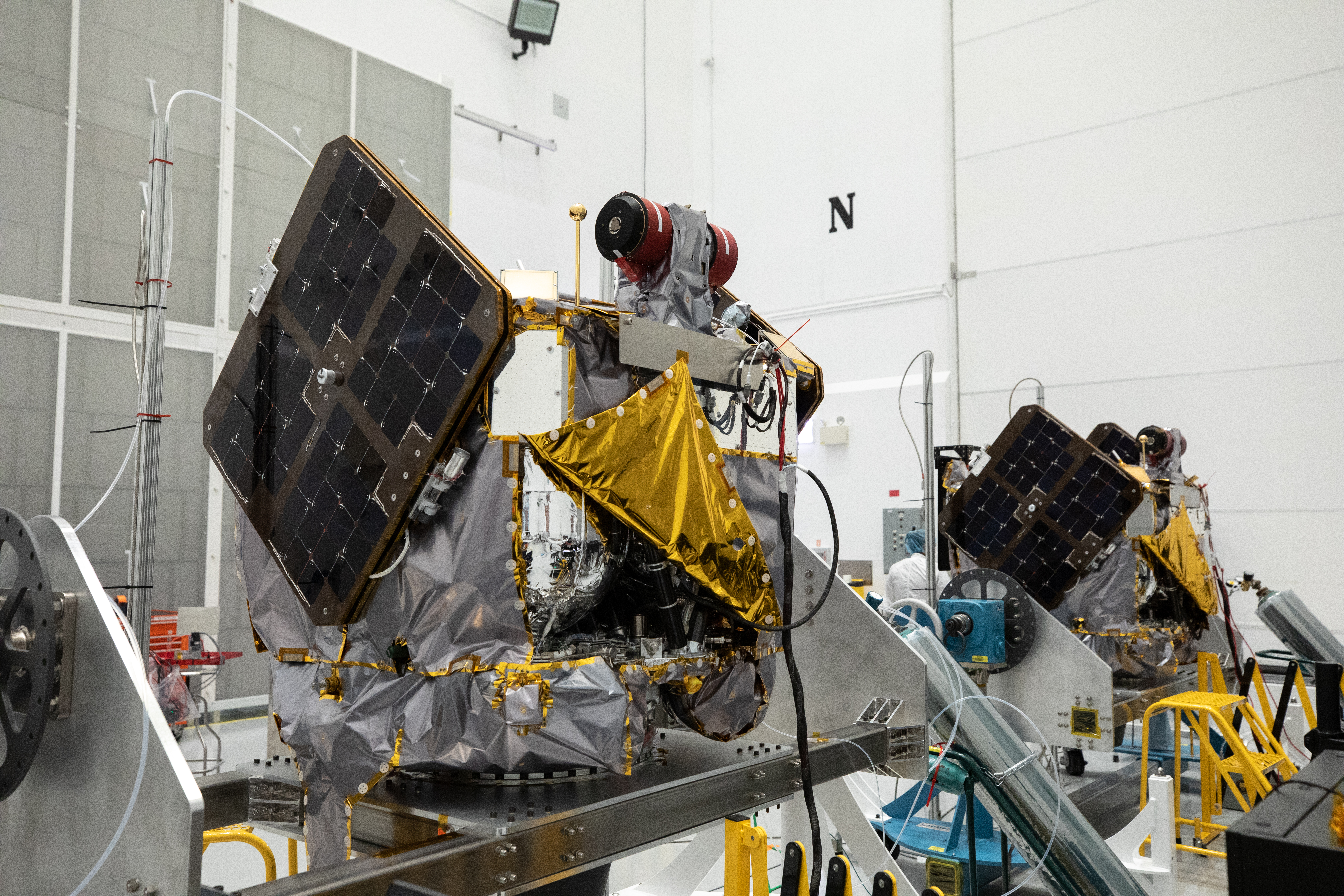
KSC · 2024-08-22 · KSC-20240822-PH-KLS01_0016
ESCAPADE Unboxed at Astrotech
NASA’s ESCAPADE (Escape and Plasma Acceleration and Dynamics Explorers) identical dual spacecraft are inspected and processed on dollies in a high bay of the Astrotech Space Operations Facility…
Inspect NASA record
NASA’s ESCAPADE (Escape and Plasma Acceleration and Dynamics Explorers) identical dual spacecraft are inspected and processed on dollies in a high bay of the Astrotech Space Operations Facility near the agency’s Kennedy Space Center in Florida on Thursday, Aug. 22, 2024. As the first multi-spacecraft orbital science mission to Mars, ESCAPADE’s twin orbiters will take simultaneous observations from different locations around the planet and reveal the real-time response to space weather and how the Martian magnetosphere changes over time.
- Record ID
- KSC-20240822-PH-KLS01_0016
- NASA center
- KSC
- Date
- 2024-08-22
- Credit
- NASA/Kim Shiflett
- Keywords
- Blue Origin, ESCAPADE, Escape and Plasma Acceleration and Dynamics Explorers, LSP, Launch Services Program, Mars, New Glenn, Rocket Lab, Small Innovative Missions for Planetary Exploration (SIMPLEx), U.C. Berkeley, magnetosphere, satellites