
Update Site (from NASA)
Explore NASA’s Image and Video Library.
Suggest one object per day for the Interstellar Minds collection. We review each suggestion before adding it.
Sign in to suggest a Marvel.
Find a NASA image ID. Open a NASA record and copy its ID from the end of the details URL.
NASA image records
JSC · 2026-04-06 · art002e016130
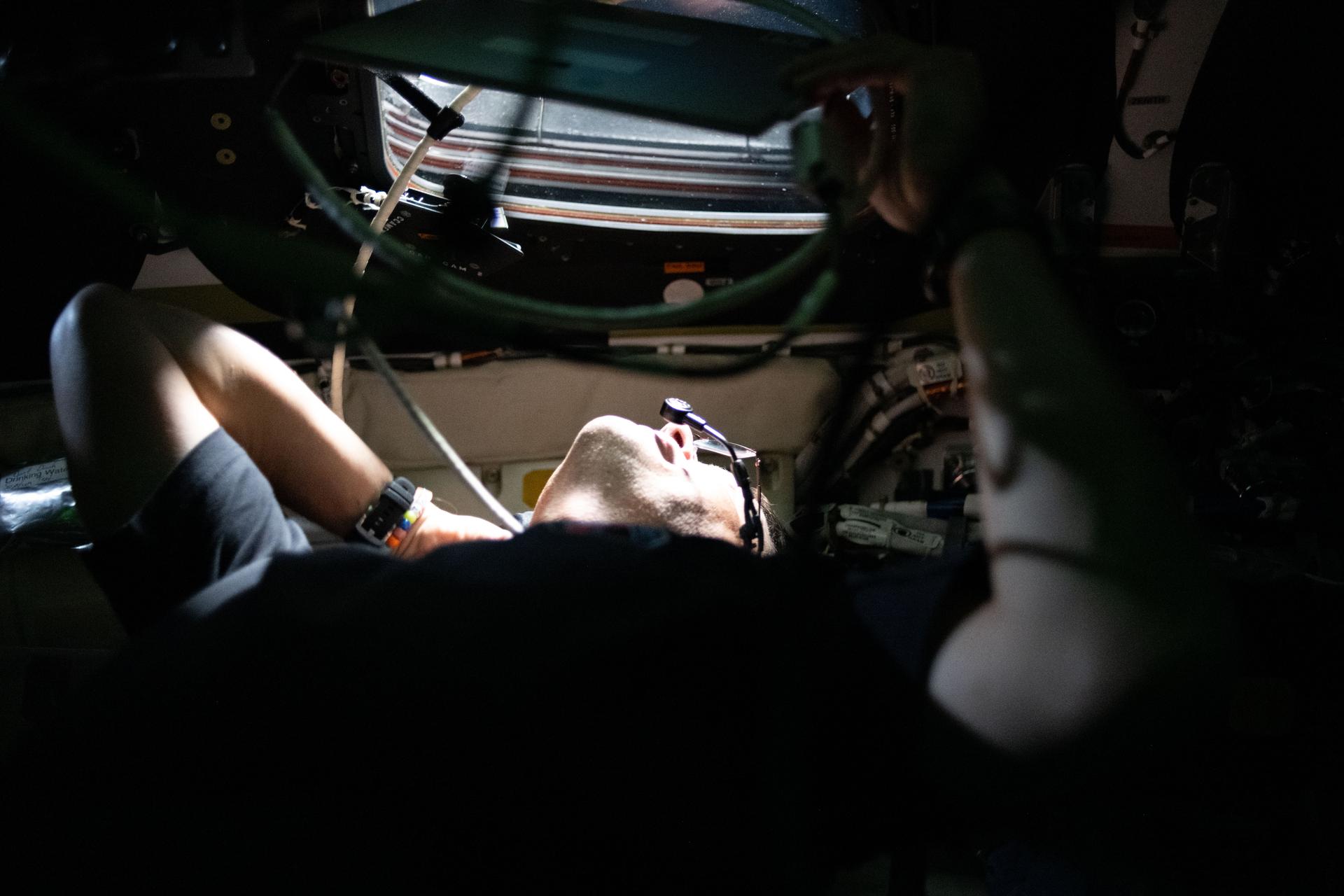
Observing the Features of the Moon
art002e016130 (April 6, 2026) – NASA astronaut and Artemis II Commander Reid Wiseman pictured here in the Orion spacecraft during the Artemis II lunar flyby. Wiseman and his…
Inspect NASA record
art002e016130 (April 6, 2026) – NASA astronaut and Artemis II Commander Reid Wiseman pictured here in the Orion spacecraft during the Artemis II lunar flyby. Wiseman and his fellow crewmates spent approximately seven hours taking turns at the Orion windows capturing science data to share with their team back on Earth. At closest approach, they came within 4,067 miles of the Moon’s surface.
- Record ID
- art002e016130
- NASA center
- JSC
- Date
- 2026-04-06
- Credit
- NASA
- Keywords
- Artemis II, Artemis ii mission, Artemis 2 mission, Lunar Flyby, Reid Wiseman
JSC · 2026-04-06 · art002e012178
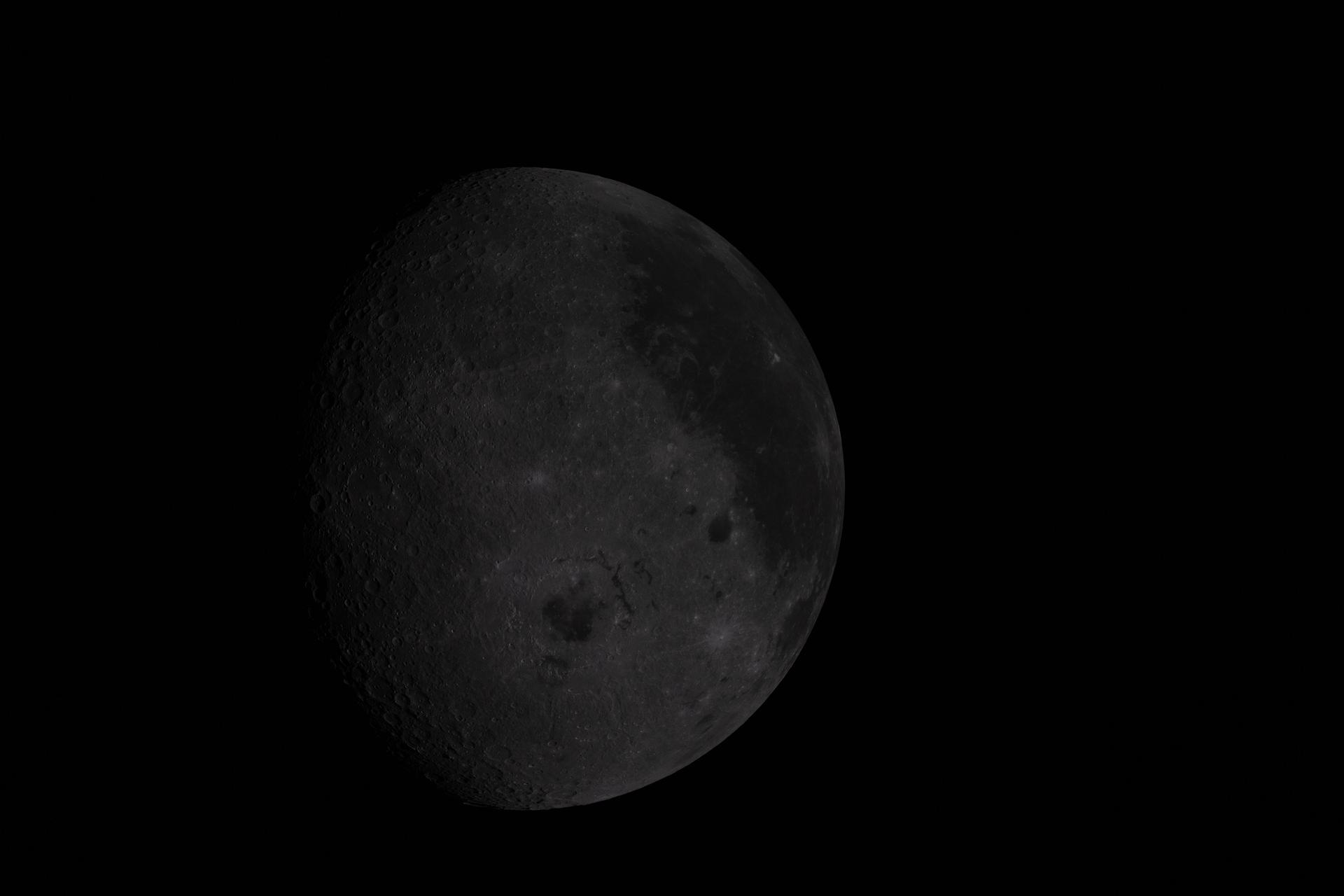
A Moodier Moon
art002e012178 (April 7, 2026) - A shot from early in the Artemis II lunar flyby, taken with a smaller aperture setting, shows a moodier version of the Moon…
Inspect NASA record
art002e012178 (April 7, 2026) - A shot from early in the Artemis II lunar flyby, taken with a smaller aperture setting, shows a moodier version of the Moon than some of the other flyby images with more typical lighting settings. The four crew members spent about 7 hours photographing and recording observations of the Moon as they flew around the far side on April 6, 2026.
- Record ID
- art002e012178
- NASA center
- JSC
- Date
- 2026-04-06
- Credit
- NASA
- Keywords
- Artemis II, Artemis II mission, Artemis 2 mission, Lunar Flyby, Moon
JSC · 2026-04-06 · art002e012279
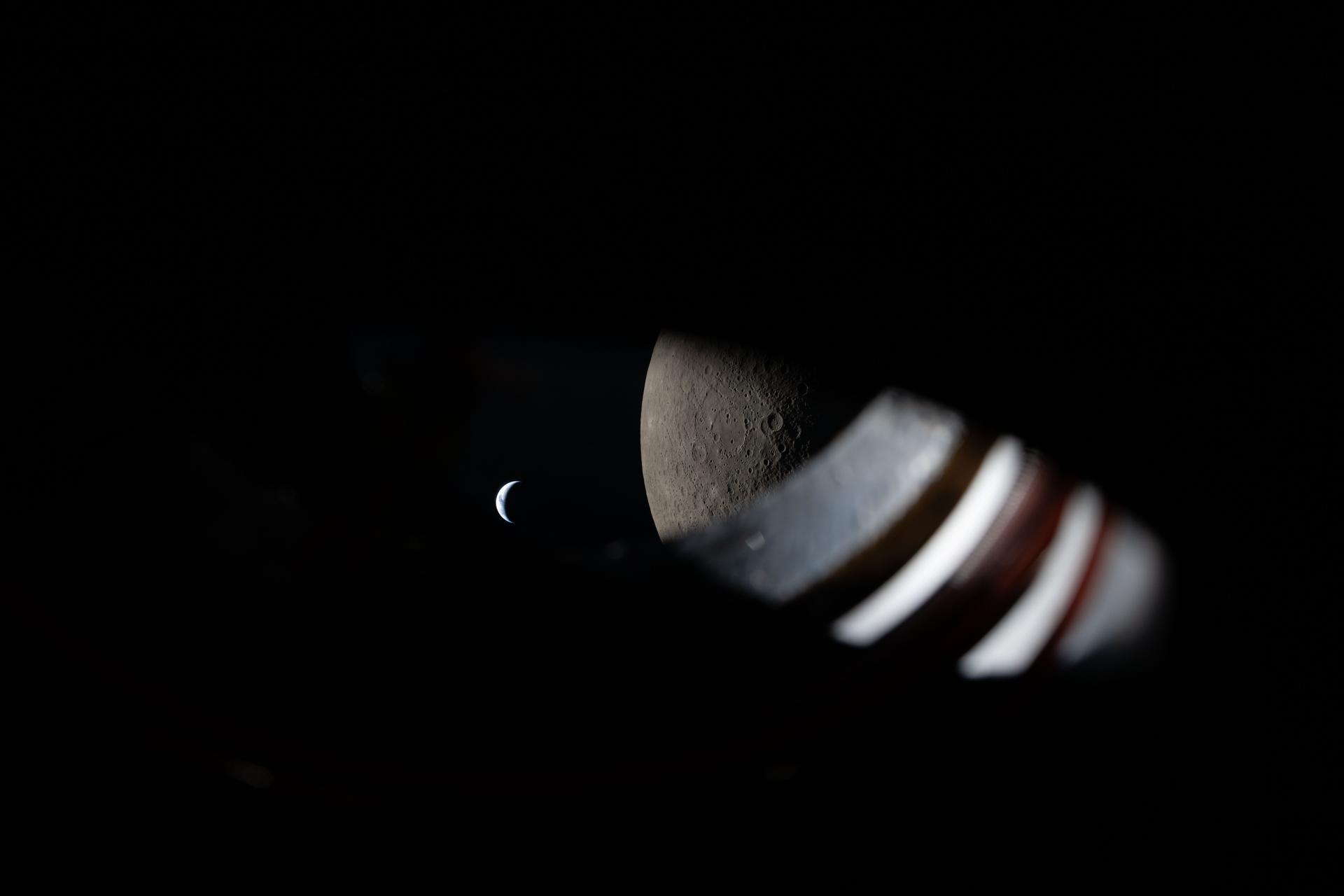
A Room With a View
art002e012279 (April 6, 2026) - A view from the window of the Orion spacecraft approximately 9 minutes before Earthset during the Artemis II lunar flyby on April 6,…
Inspect NASA record
art002e012279 (April 6, 2026) - A view from the window of the Orion spacecraft approximately 9 minutes before Earthset during the Artemis II lunar flyby on April 6, 2026.
- Record ID
- art002e012279
- NASA center
- JSC
- Date
- 2026-04-06
- Credit
- NASA
- Keywords
- Artemis II, Artemis II Mission, Artemis 2 Mission, Lunar Flyby, Moon
JSC · 2026-04-07 · art002e010782
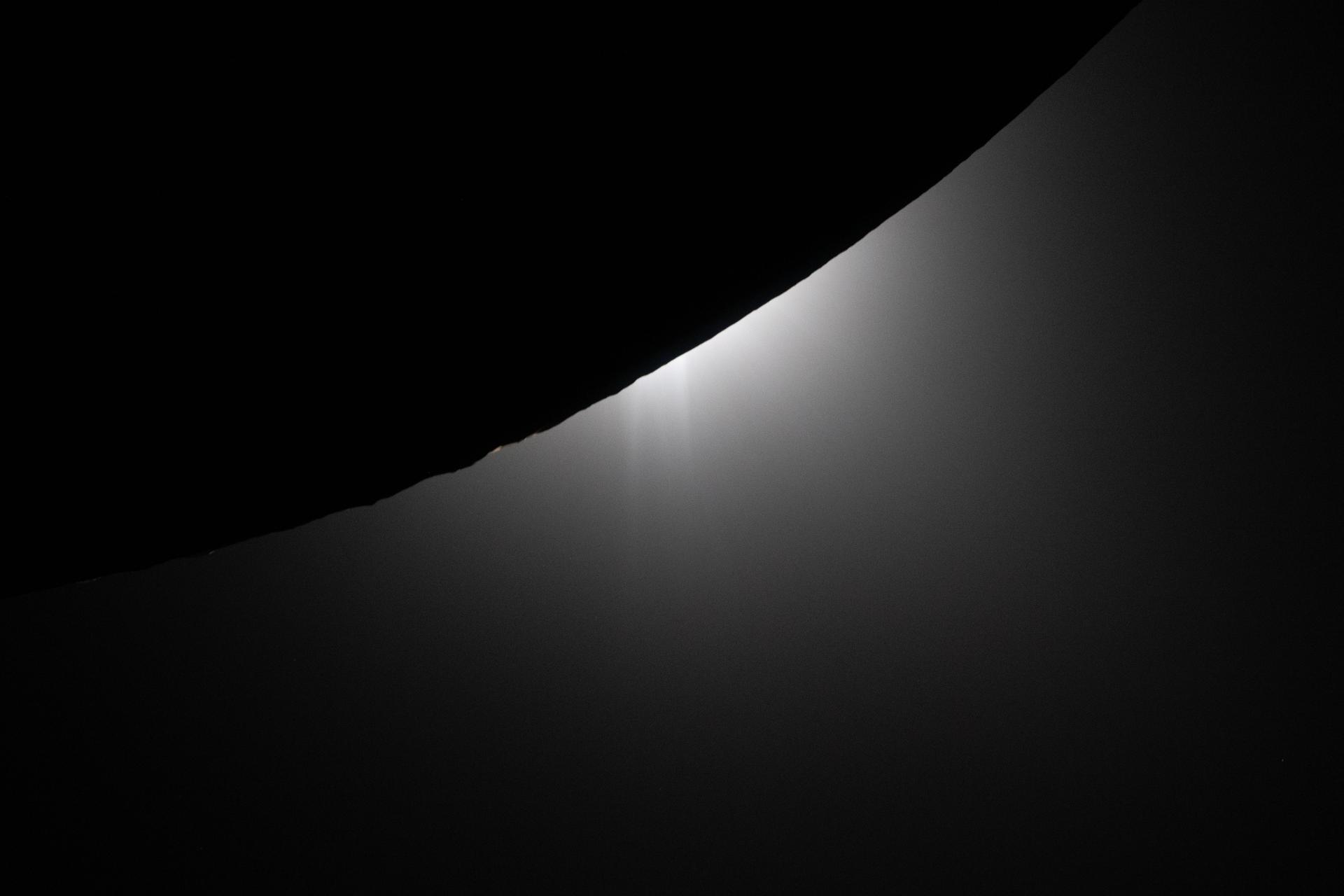
A Solar Eclipse Like No Other
art002e010782 (April 6, 2026) - In this view captured by the Artemis II crew on the Orion spacecraft, a wedge of the Moon in nighttime is visible in…
Inspect NASA record
art002e010782 (April 6, 2026) - In this view captured by the Artemis II crew on the Orion spacecraft, a wedge of the Moon in nighttime is visible in the foreground, as the Sun is setting on the opposite side. This image captures the beginning of a total solar eclipse that astronauts were able to observe at the end of their lunar observation period during Orion’s closest approach to the Moon on April 6, 2026. Unlike minutes-long eclipses as viewed from Earth, the Artemis II crew witnessed the Sun hide behind the Moon for nearly an hour. Because the astronauts were so near the Moon, it appeared much larger than the Sun; because of this, it took longer for the Sun to make its transit across the Moon and peek out the other side. From Earth, in contrast, the Moon and Sun appear about the same size, so even small changes in their alignment quickly bring the Sun back into view, making totality much shorter. The bright rays of light, or streamers, that are running outward towards the bottom of the Moon disk are part of the Sun's corona. The corona is the outermost layer of the Sun's atmosphere and is only visible during a total solar eclipse. It is normally hidden by the bright light of the Sun's surface. In addition, the jagged edge of the Moon visible in this image reveals the topography of backlit mountains on the horizon.
- Record ID
- art002e010782
- NASA center
- JSC
- Date
- 2026-04-07
- Credit
- NASA
- Keywords
- Artemis II, Artemis II mission, Artemis 2 mission, Lunar flyby, Moon
JSC · 2026-04-06 · art002e009299
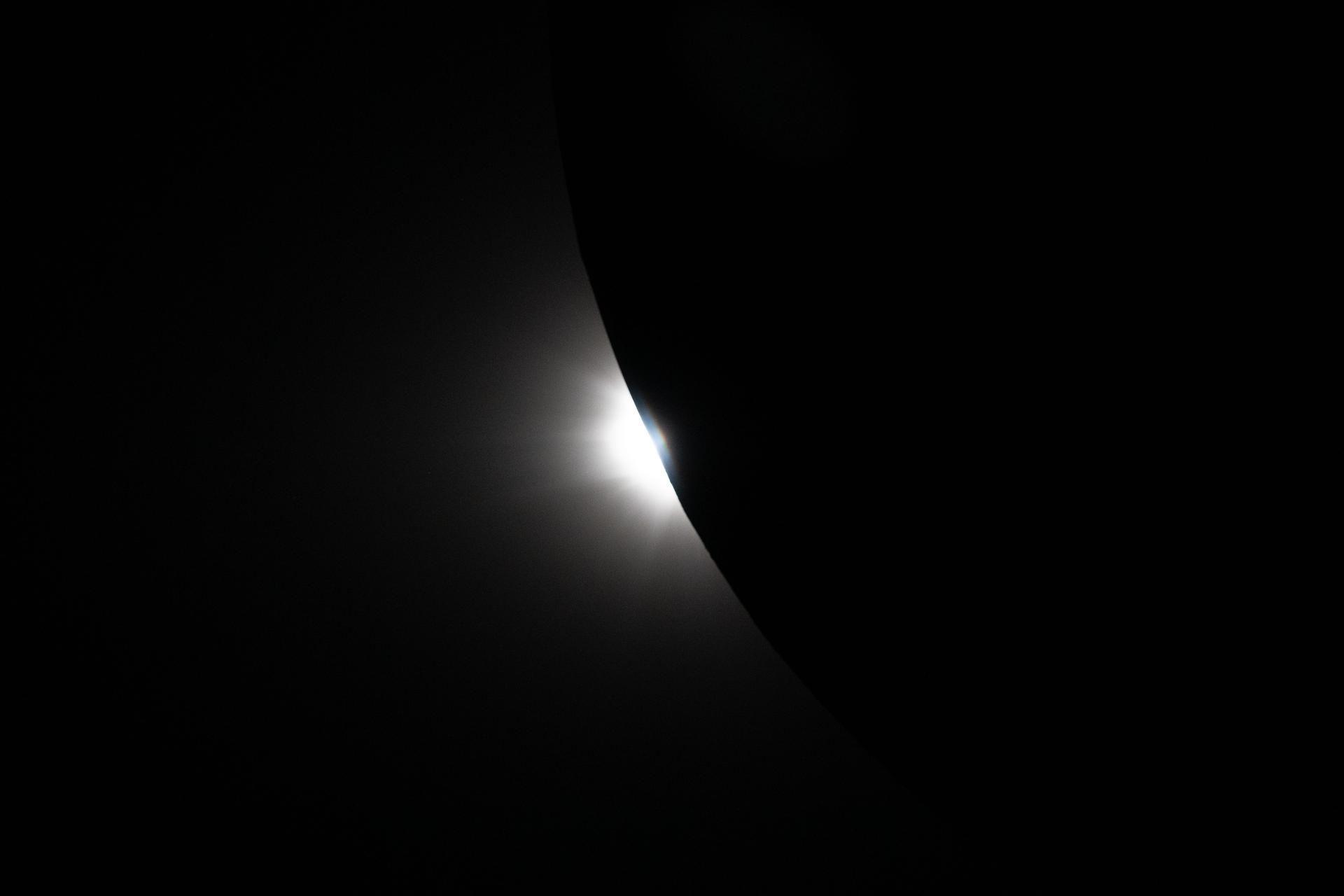
Solar Eclipse Emergence from Orion
art002e009299 (April 6, 2026) – Captured from the Orion spacecraft near the end of the Artemis II lunar flyby on April 6, this image shows the Sun beginning…
Inspect NASA record
art002e009299 (April 6, 2026) – Captured from the Orion spacecraft near the end of the Artemis II lunar flyby on April 6, this image shows the Sun beginning to peek out from behind the Moon as the eclipse transitions out of totality. Only a portion of the Moon is visible in frame, its curved edge revealing a bright sliver of sunlight returning after nearly an hour of darkness. In final moments of the eclipse observed by the crew, the reemerging light creates a sharp contrast against the Moon’s silhouette and reveals lunar topography not usually visible along the lunar limb. This fleeting phase captures the dynamic alignment of the Sun, Moon, and spacecraft as Orion continues its journey back from the far side of the Moon.
- Record ID
- art002e009299
- NASA center
- JSC
- Date
- 2026-04-06
- Credit
- NASA
- Keywords
- Artemis II, Artemis II Mission, Artemis 2 Mission, Lunar Flyby, Solar Eclipse
JSC · 2026-04-06 · art002e014231
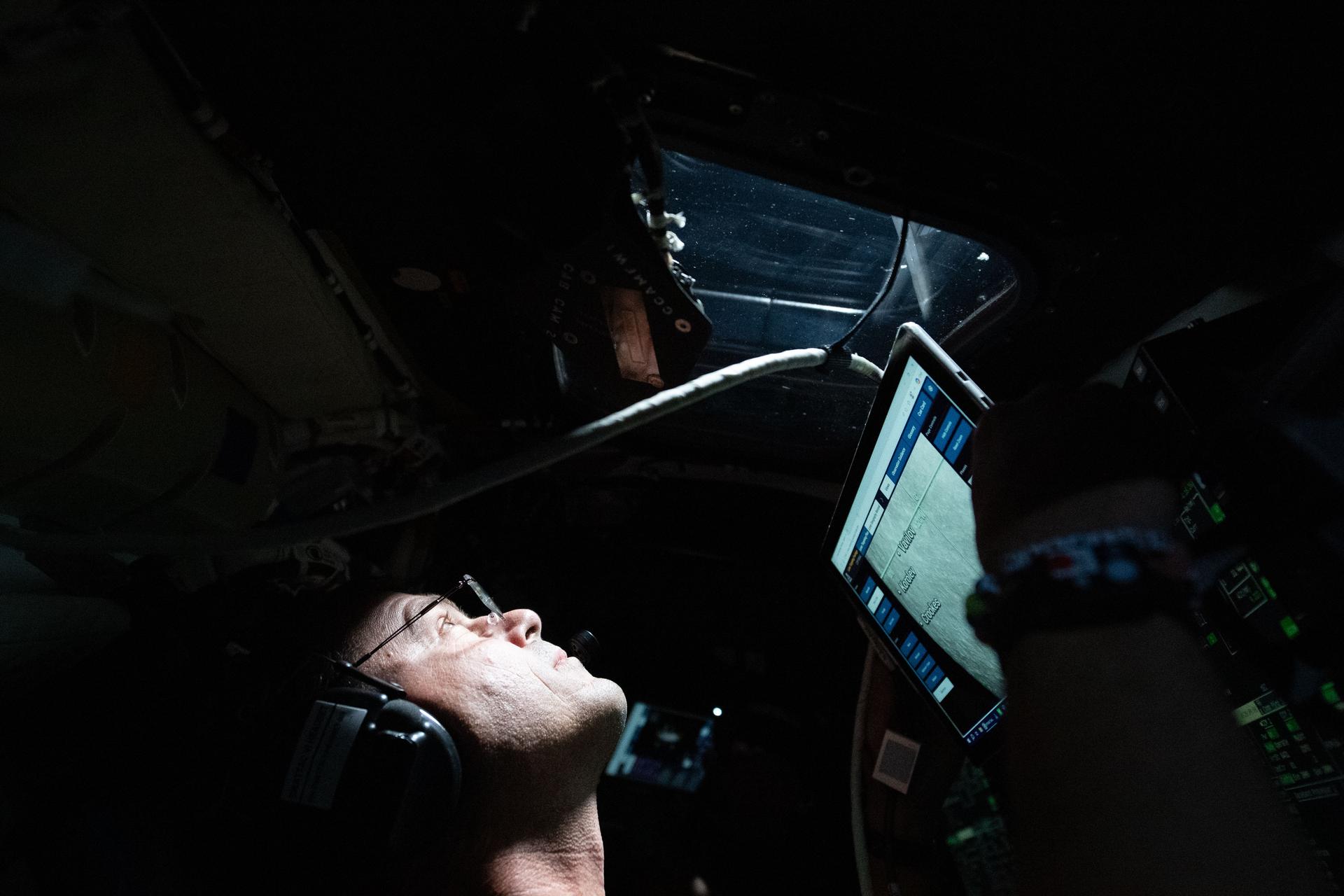
A Quiet Moment for Observations
art002e014231 (April 6, 2026) – NASA astronaut and Artemis II Commander Reid Wiseman taking a moment during the seven-hour lunar observation period where the crew reported to the…
Inspect NASA record
art002e014231 (April 6, 2026) – NASA astronaut and Artemis II Commander Reid Wiseman taking a moment during the seven-hour lunar observation period where the crew reported to the ground team their observations including color nuances, which will help enhance scientific understandings of the Moon. At the beginning of the window, as Orion approaches the Moon on the near side, the side we can see from Earth, people in parts of the eastern hemisphere can view some of the same features the astronauts will observe.
- Record ID
- art002e014231
- NASA center
- JSC
- Date
- 2026-04-06
- Credit
- NASA
- Keywords
- Artemis II, Artemis II Mission, Artemis 2 Mission, Lunar Flyby, Reid Wiseman
JSC · 2026-04-06 · art002e009298
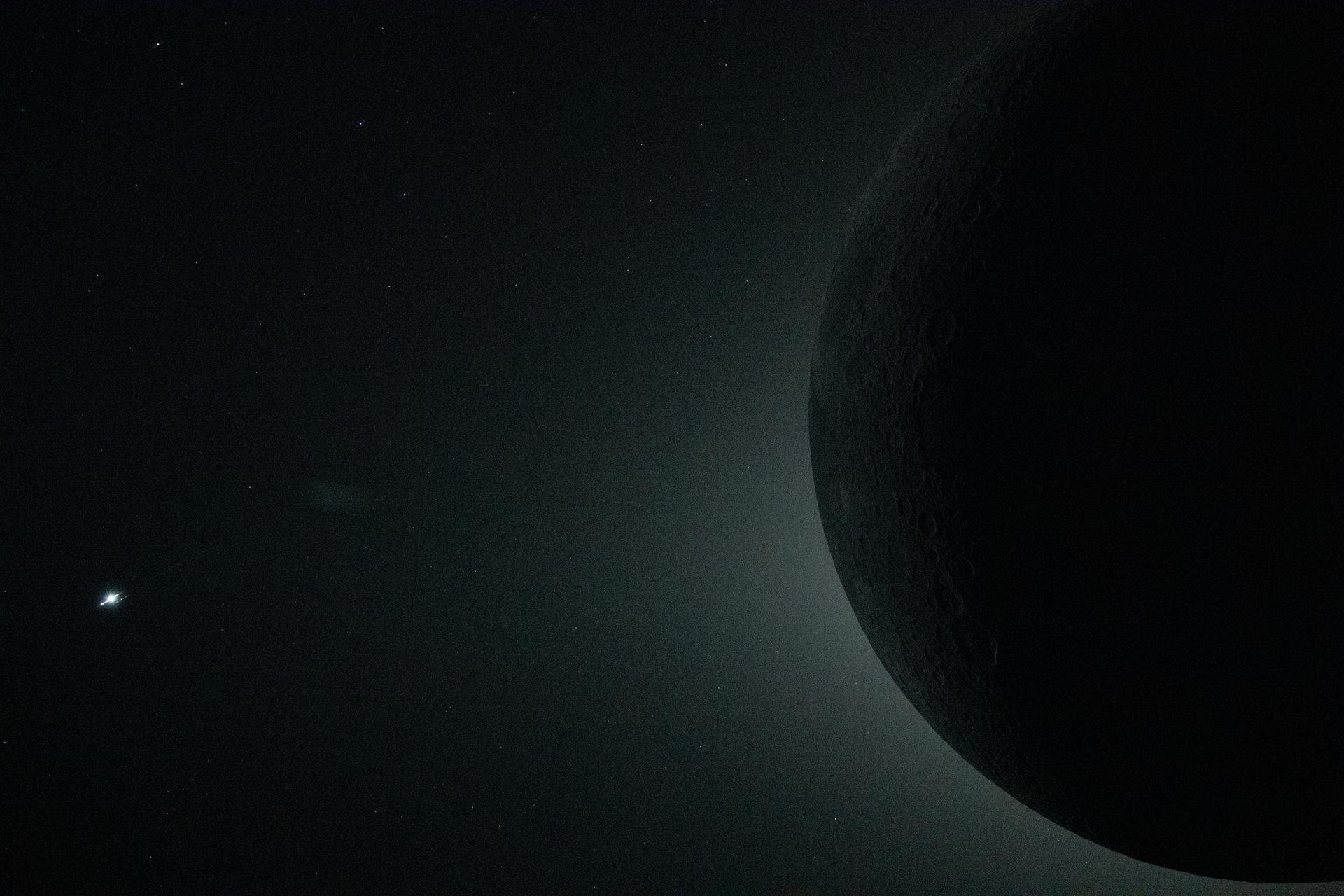
Artemis II Total Solar Eclipse, Partial Frame
art002e009298 (April 6, 2026) – A close-up view from the Orion spacecraft during the Artemis II crew’s lunar flyby on April 6, 2026, captures a total solar eclipse,…
Inspect NASA record
art002e009298 (April 6, 2026) – A close-up view from the Orion spacecraft during the Artemis II crew’s lunar flyby on April 6, 2026, captures a total solar eclipse, with only part of the Moon visible in the frame as it fully obscures the Sun. We see a glowing halo around the dark lunar disk. The science community is investigating whether this effect is due to the corona, zodiacal light, or a combination of the two. From this deep-space vantage point, the Moon appeared large enough to sustain nearly 54 minutes of totality, far longer than total solar eclipses typically seen from Earth. The bright silver glint on the left edge of the image is the planet Venus. The round, dark gray feature visible along the Moon’s horizon between the 9 and 10 o’clock positions is Mare Crisium, a feature visible from Earth. We see faint lunar features because light reflected off of Earth provides a source of illumination.
- Record ID
- art002e009298
- NASA center
- JSC
- Date
- 2026-04-06
- Credit
- NASA
- Keywords
- Artemis II, Artemis II mission, Arrtemis 2 mission, lunar flyby, solar eclipse
JSC · 2026-04-06 · art002e009280b
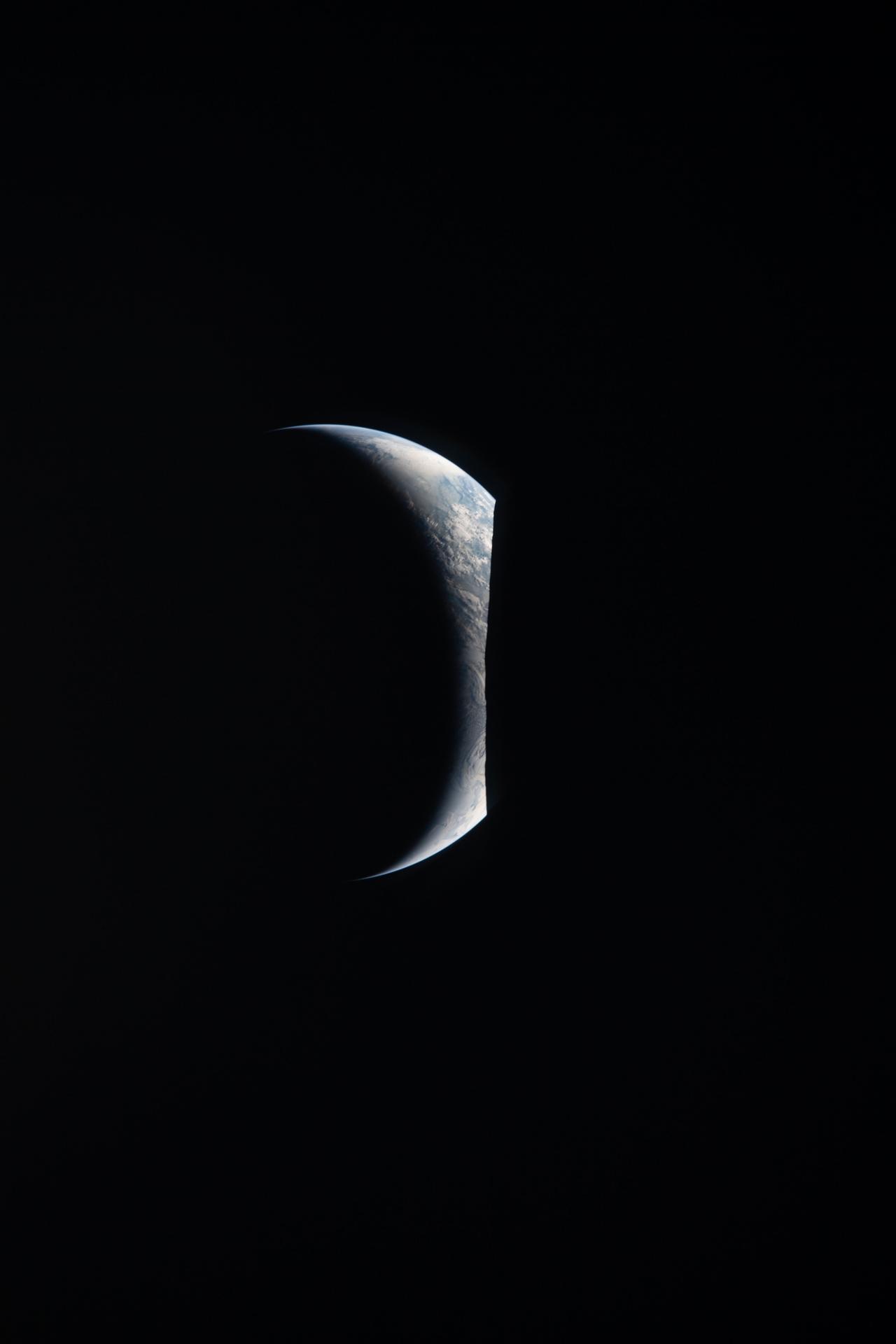
Artemis Era Earthrise
art002e009280 (April 6, 2026) – Earthrise captured through the Orion spacecraft window at 7:22 p.m. ET during the Artemis II crew’s flyby of the Moon’s far side. Earth…
Inspect NASA record
art002e009280 (April 6, 2026) – Earthrise captured through the Orion spacecraft window at 7:22 p.m. ET during the Artemis II crew’s flyby of the Moon’s far side. Earth appears as a delicate crescent, with only its right edge illuminated. The planet’s soft blue hue and scattered white cloud systems stand out on the right against the blackness of space, while the left side fades into night. Taken with a 400 mm lens, the image, Earthrise, reveals a striking alignment of Earth and Moon. In the foreground on the right, a portion of the Moon in night is barely visible save for its edge, which stands out in stark contrast against the illuminated side of Earth on the left. Zooming in along the Moon’s edge reveals rugged terrain silhouetted against the bright crescent Earth. This photo was rotated 90 degrees clockwise from the original for standard viewing orientation.
- Record ID
- art002e009280b
- NASA center
- JSC
- Date
- 2026-04-06
- Credit
- NASA
- Keywords
- Artemis II, Artemis II Mission, Artemis 2 mission, Lunar Flyby, Earthrise

JSC · 2026-04-06 · art002e014198
Window Seat for the Flyby
art002e014198 (April 6, 2026) – NASA astronaut and Artemis II Commander Reid Wiseman taking a moment during the seven-hour lunar observation period where the crew reported to the…
Inspect NASA record
art002e014198 (April 6, 2026) – NASA astronaut and Artemis II Commander Reid Wiseman taking a moment during the seven-hour lunar observation period where the crew reported to the ground team their observations including color nuances, which will help enhance scientific understandings of the Moon. At the beginning of the window, as Orion approaches the Moon on the near side, the side we can see from Earth, people in parts of the eastern hemisphere can view some of the same features the astronauts will observe.
- Record ID
- art002e014198
- NASA center
- JSC
- Date
- 2026-04-06
- Credit
- NASA
- Keywords
- Artemis II, Artemis II mission, Artemis 2 mission, Lunar Flyby, Reid Wiseman
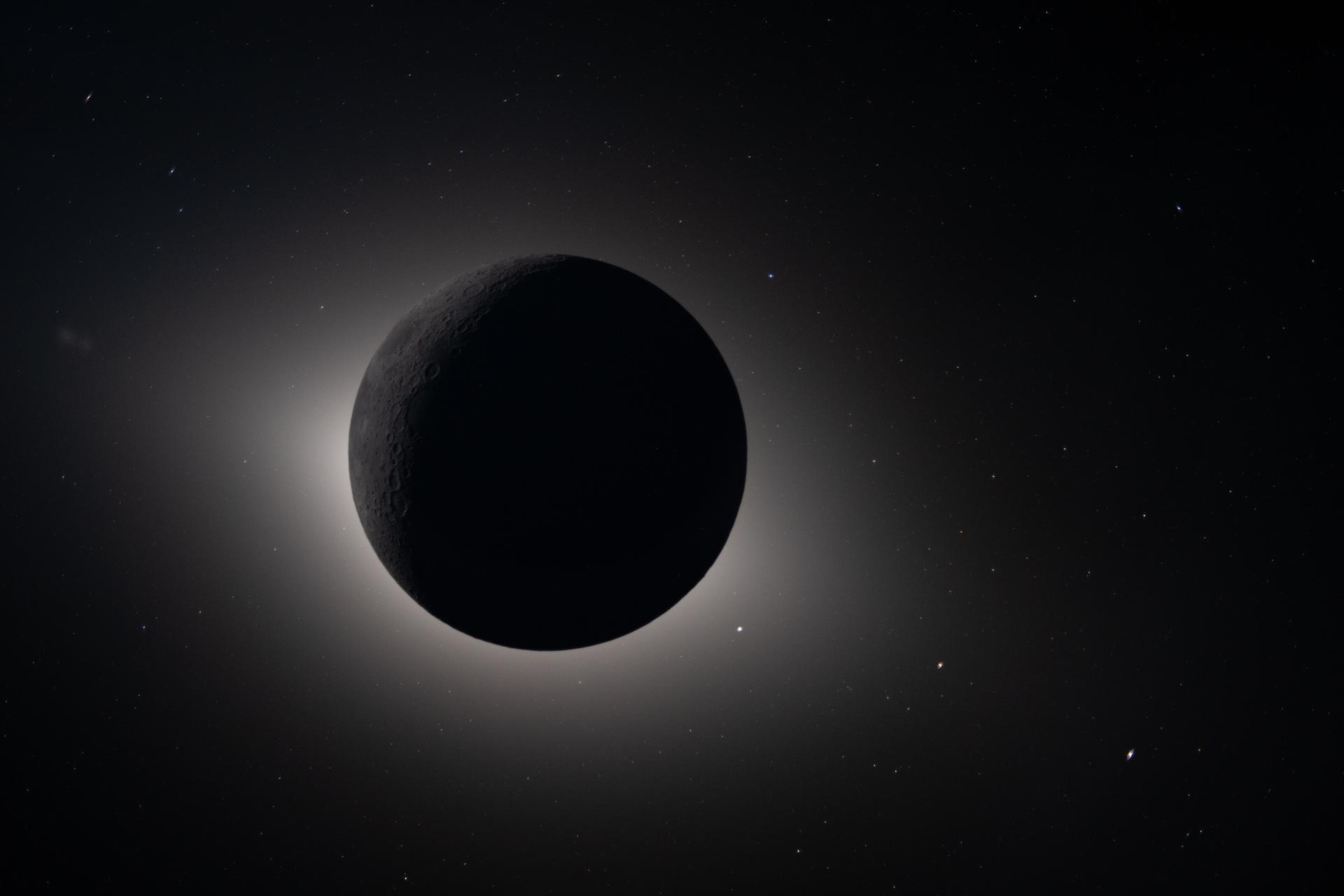
JSC · 2026-04-06 · art002e009301
Artemis II in Eclipse
art002e009301 (April 6, 2026) – Captured by the Artemis II crew during their lunar flyby on April 6, 2026, this image shows the Moon fully eclipsing the Sun.…
Inspect NASA record
art002e009301 (April 6, 2026) – Captured by the Artemis II crew during their lunar flyby on April 6, 2026, this image shows the Moon fully eclipsing the Sun. From the crew’s perspective, the Moon appears large enough to completely block the Sun, creating nearly 54 minutes of totality and extending the view far beyond what is possible from Earth. We see a glowing halo around the dark lunar disk. The science community is investigating whether this effect is due to the corona, zodiacal light, or a combination of the two. Also visible are stars, typically too faint to see when imaging the Moon, but with the Moon in darkness stars are readily imaged. This unique vantage point provides both a striking visual and a valuable opportunity for astronauts to document their observations during humanity’s return to deep space. The faint glow of the nearside of the Moon is visible in this image, having been illuminated by light reflected off the Earth.
- Record ID
- art002e009301
- NASA center
- JSC
- Date
- 2026-04-06
- Credit
- NASA
- Keywords
- Artemis II, Artemis II mission, Artemis 2 mission, Lunar Flyby, Solar Eclipse

JSC · 2026-04-06 · art002e016198
Lunar Flyby Observations – NASA astronaut Victor Glover
art002e016198 (April 6, 2026) – NASA astronaut and Artemis II Pilot Victor Glover pictured here in the Orion spacecraft during the Artemis II lunar flyby. Glover and his…
Inspect NASA record
art002e016198 (April 6, 2026) – NASA astronaut and Artemis II Pilot Victor Glover pictured here in the Orion spacecraft during the Artemis II lunar flyby. Glover and his fellow crewmates spent approximately seven hours taking turns at the Orion windows capturing science data to share with their team back on Earth. At closest approach, they came within 4,067 miles of the Moon’s surface.
- Record ID
- art002e016198
- NASA center
- JSC
- Date
- 2026-04-06
- Credit
- NASA
- Keywords
- Artemis II, Artemis II mission, Artemis 2 mission, Lunar Flyby, Victor Glover
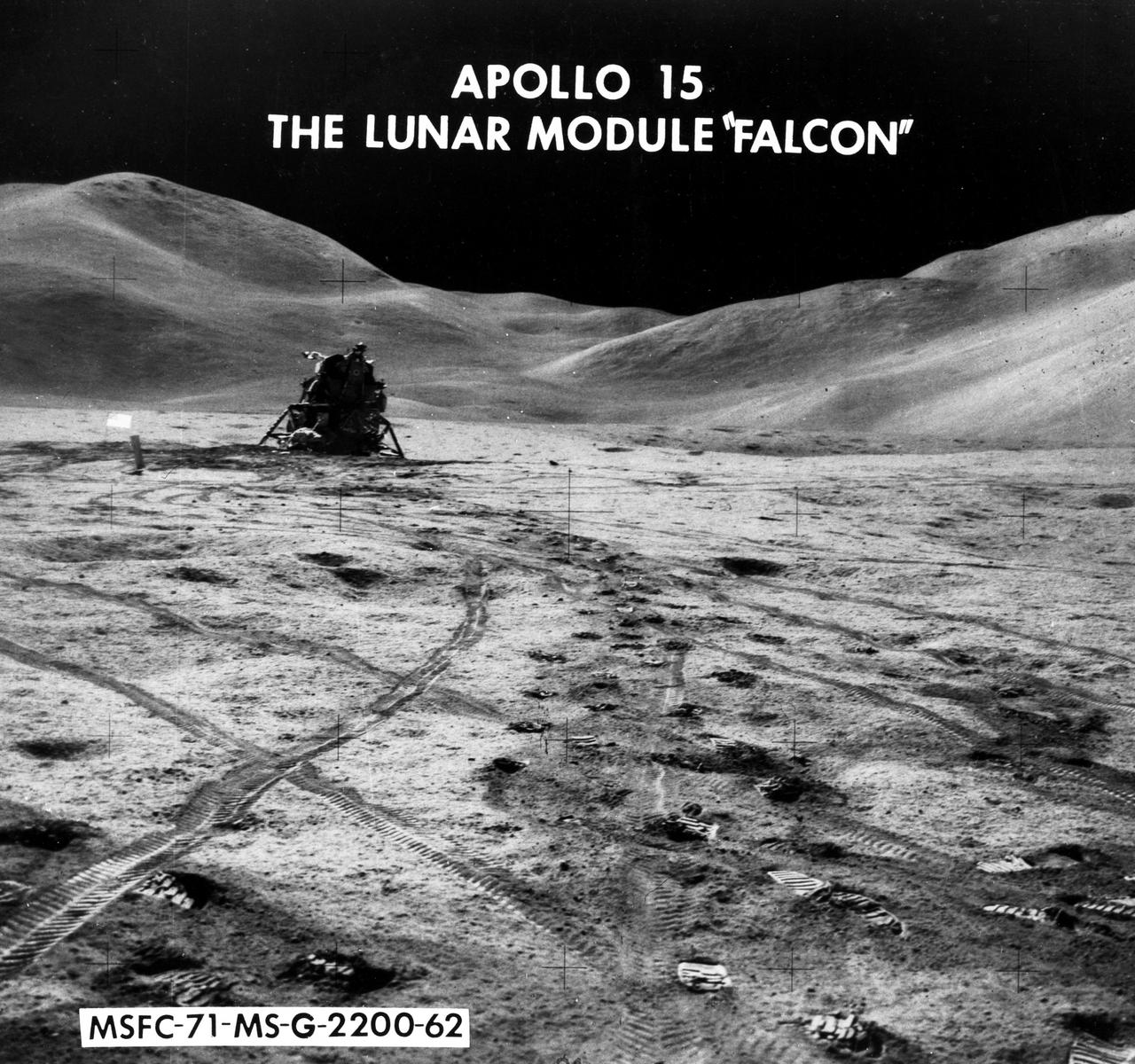
MSFC · 1971-07-31 · 7120062
Saturn Apollo Program
This is a photo of the Apollo 15 Lunar Module, Falcon, on the lunar surface. Apollo 15 launched from Kennedy Space Center (KSC) on July 26, 1971 via…
Inspect NASA record
This is a photo of the Apollo 15 Lunar Module, Falcon, on the lunar surface. Apollo 15 launched from Kennedy Space Center (KSC) on July 26, 1971 via a Saturn V launch vehicle. Aboard was a crew of three astronauts including David R. Scott, Mission Commander; James B. Irwin, Lunar Module Pilot; and Alfred M. Worden, Command Module Pilot. The first mission designed to explore the Moon over longer periods, greater ranges and with more instruments for the collection of scientific data than on previous missions, the mission included the introduction of a $40,000,000 lunar roving vehicle (LRV) that reached a top speed of 16 kph (10 mph) across the Moon's surface. The successful Apollo 15 lunar landing mission was the first in a series of three advanced missions planned for the Apollo program. The primary scientific objectives were to observe the lunar surface, survey and sample material and surface features in a preselected area of the Hadley-Apennine region, setup and activation of surface experiments and conduct in-flight experiments and photographic tasks from lunar orbit. Apollo 15 televised the first lunar liftoff and recorded a walk in deep space by Alfred Worden. Both the Saturn V rocket and the LRV were developed at the Marshall Space Flight Center.
- Record ID
- 7120062
- NASA center
- MSFC
- Date
- 1971-07-31
- Keywords
- Apollo 15, Lunar Module, Falcon