
Update Site (from NASA)
Explore NASA’s Image and Video Library.
Suggest one object per day for the Interstellar Minds collection. We review each suggestion before adding it.
Sign in to suggest a Marvel.
Find a NASA image ID. Open a NASA record and copy its ID from the end of the details URL.
NASA image records
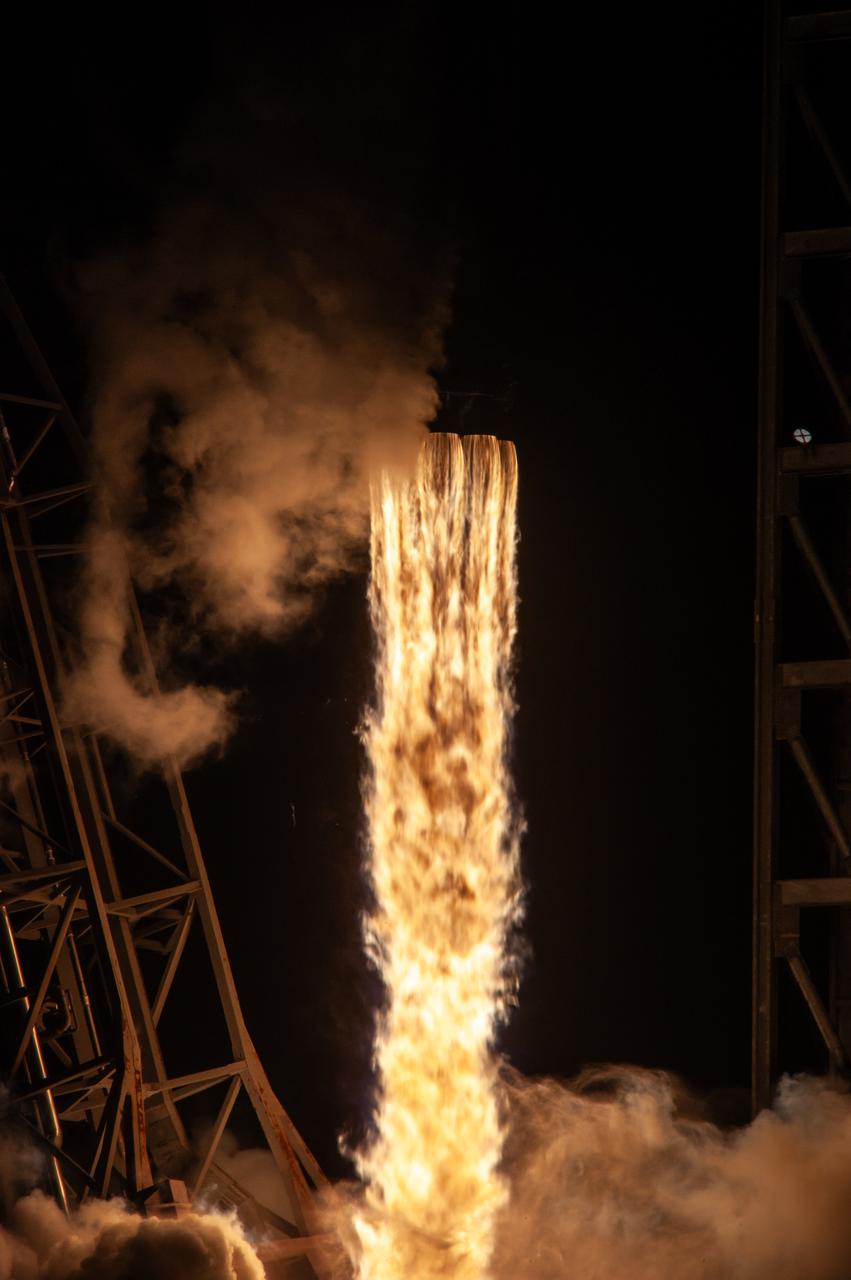
KSC · 2024-02-08 · KSC-20240208-PH-KMO02_0005
PACE Launch
NASA’s PACE (Plankton, Aerosol, Cloud, ocean Ecosystem) spacecraft, atop a SpaceX Falcon 9 rocket, successfully lifts off from Space Launch Complex 40 at Cape Canaveral Space Force Station…
Inspect NASA record
NASA’s PACE (Plankton, Aerosol, Cloud, ocean Ecosystem) spacecraft, atop a SpaceX Falcon 9 rocket, successfully lifts off from Space Launch Complex 40 at Cape Canaveral Space Force Station in Florida at 1:33 a.m. EST Thursday, Feb. 8. PACE is NASA’s newest earth-observing satellite that will help increase our understanding of Earth’s oceans, atmosphere, and climate by delivering hyperspectral observations of microscopic marine organisms called phytoplankton, as well new data on clouds and aerosols.
- Record ID
- KSC-20240208-PH-KMO02_0005
- NASA center
- KSC
- Date
- 2024-02-08
- Credit
- NASA/Kevin Davis and Kevin O'Con
- Keywords
- Aerosol, Astrotech Spaceflight Operations, Cape Canaveral Space Force Station, Cloud, Earth, Falcon 9, Goddard Space Flight Center, KSC, Kennedy Space Center, LC 40, LSP, Launch Services Program
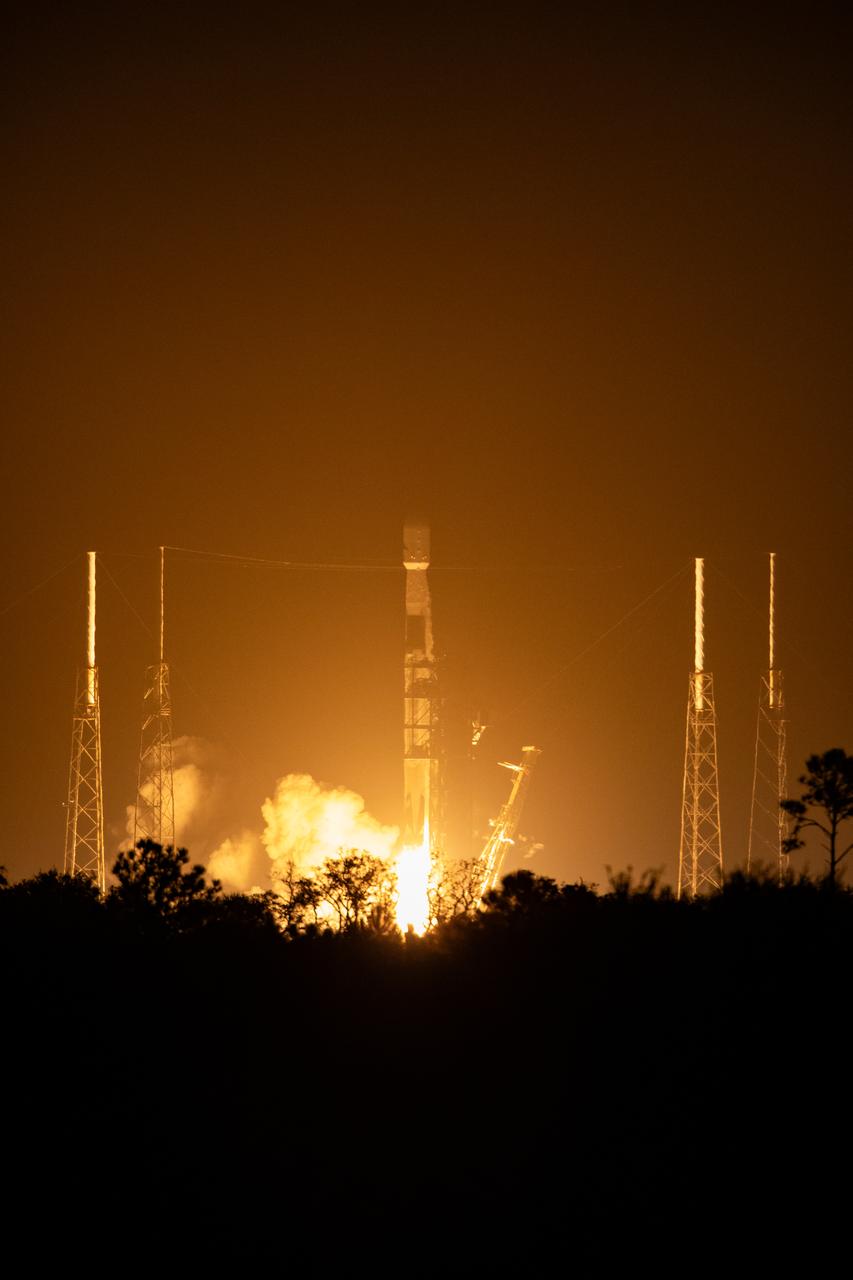
KSC · 2024-02-08 · KSC-20240208-PH-KLS01_0039
PACE Live Launch Coverage
NASA’s PACE (Plankton, Aerosol, Cloud, ocean Ecosystem) spacecraft, atop a SpaceX Falcon 9 rocket, successfully lifts off from Space Launch Complex 40 at Cape Canaveral Space Force Station…
Inspect NASA record
NASA’s PACE (Plankton, Aerosol, Cloud, ocean Ecosystem) spacecraft, atop a SpaceX Falcon 9 rocket, successfully lifts off from Space Launch Complex 40 at Cape Canaveral Space Force Station in Florida at 1:33 a.m. EST Thursday, Feb. 8. PACE is NASA’s newest earth-observing satellite that will help increase our understanding of Earth’s oceans, atmosphere, and climate by delivering hyperspectral observations of microscopic marine organisms called phytoplankton, as well new data on clouds and aerosols.
- Record ID
- KSC-20240208-PH-KLS01_0039
- NASA center
- KSC
- Date
- 2024-02-08
- Credit
- NASA/Kim Shiflett
- Keywords
- Aerosol, Astrotech Spaceflight Operations, Cape Canaveral Space Force Station, Cloud, Earth, Falcon 9, Goddard Space Flight Center, KSC, Kennedy Space Center, LC 40, LSP, Launch Services Program
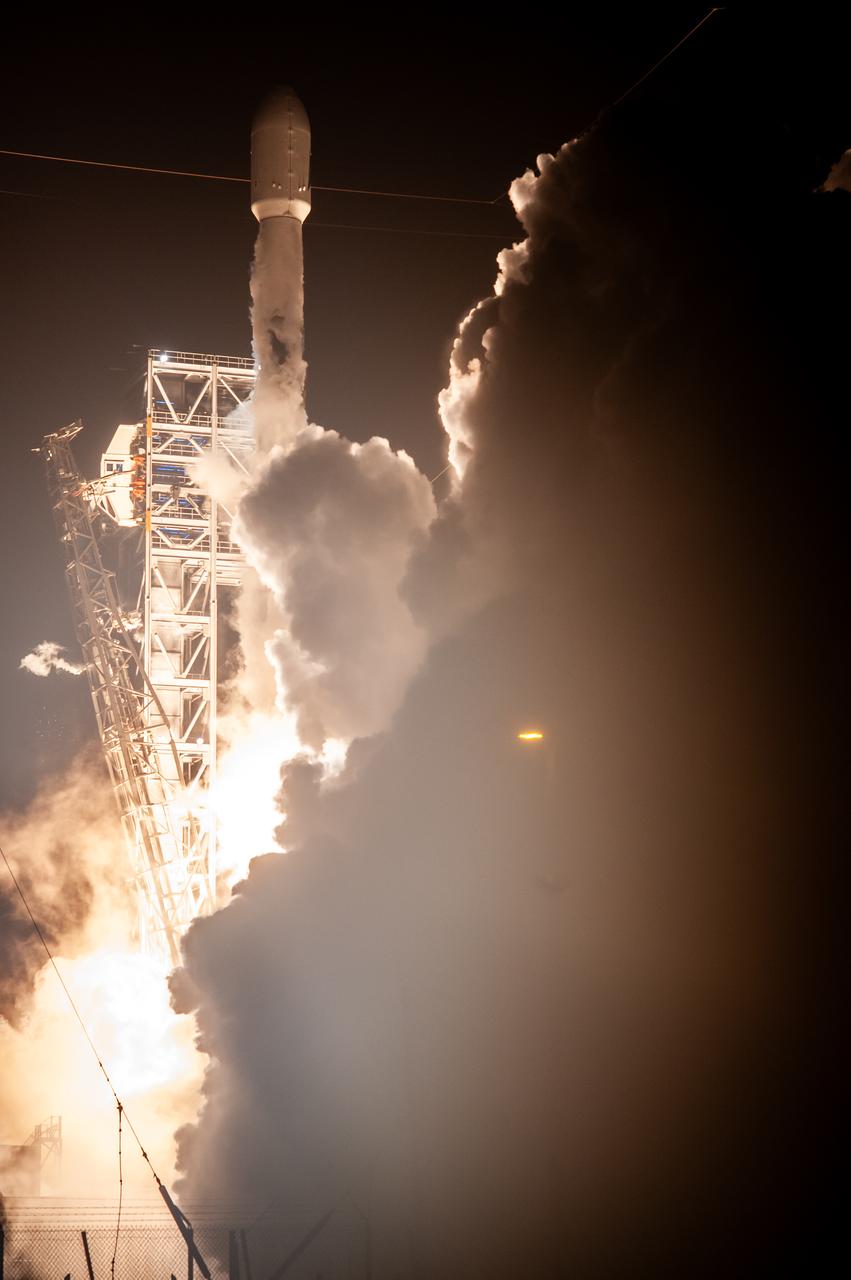
KSC · 2024-02-08 · KSC-20240208-PH-KMO04_0017
PACE Launch
NASA’s PACE (Plankton, Aerosol, Cloud, ocean Ecosystem) spacecraft, atop a SpaceX Falcon 9 rocket, successfully lifts off from Space Launch Complex 40 at Cape Canaveral Space Force Station…
Inspect NASA record
NASA’s PACE (Plankton, Aerosol, Cloud, ocean Ecosystem) spacecraft, atop a SpaceX Falcon 9 rocket, successfully lifts off from Space Launch Complex 40 at Cape Canaveral Space Force Station in Florida at 1:33 a.m. EST Thursday, Feb. 8. PACE is NASA’s newest earth-observing satellite that will help increase our understanding of Earth’s oceans, atmosphere, and climate by delivering hyperspectral observations of microscopic marine organisms called phytoplankton, as well new data on clouds and aerosols.
- Record ID
- KSC-20240208-PH-KMO04_0017
- NASA center
- KSC
- Date
- 2024-02-08
- Credit
- NASA/Kevin O'Connell and Kevin D
- Keywords
- Aerosol, Astrotech Spaceflight Operations, Cape Canaveral Space Force Station, Cloud, Earth, Falcon 9, Goddard Space Flight Center, KSC, Kennedy Space Center, LC 40, LSP, Launch Services Program
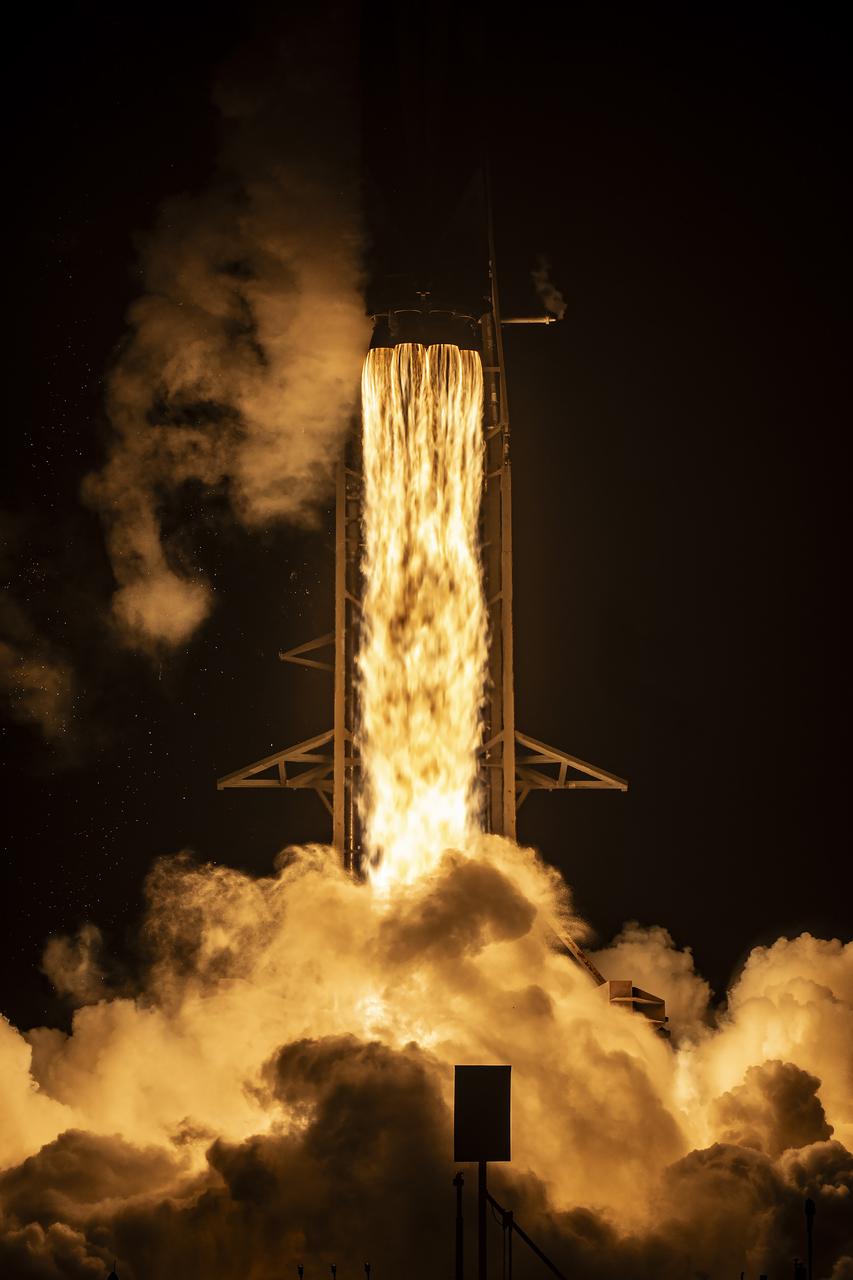
KSC · 2024-02-08 · KSC-20240208-PH-SPX01_0009
SpaceX PACE Launch
NASA’s PACE (Plankton, Aerosol, Cloud, ocean Ecosystem) spacecraft, atop a SpaceX Falcon 9 rocket, successfully lifts off from Space Launch Complex 40 at Cape Canaveral Space Force Station…
Inspect NASA record
NASA’s PACE (Plankton, Aerosol, Cloud, ocean Ecosystem) spacecraft, atop a SpaceX Falcon 9 rocket, successfully lifts off from Space Launch Complex 40 at Cape Canaveral Space Force Station in Florida at 1:33 a.m. EST Thursday, Feb. 8. PACE is NASA’s newest earth-observing satellite that will help increase our understanding of Earth’s oceans, atmosphere, and climate by delivering hyperspectral observations of microscopic marine organisms called phytoplankton, as well new data on clouds and aerosols.
- Record ID
- KSC-20240208-PH-SPX01_0009
- NASA center
- KSC
- Date
- 2024-02-08
- Credit
- SpaceX
- Keywords
- PACE, Plankton, Aerosol, Cloud, ocean Ecosystem, LSP, Launch Services Program, KSC, Kennedy Space Center, climate, algae, Earth
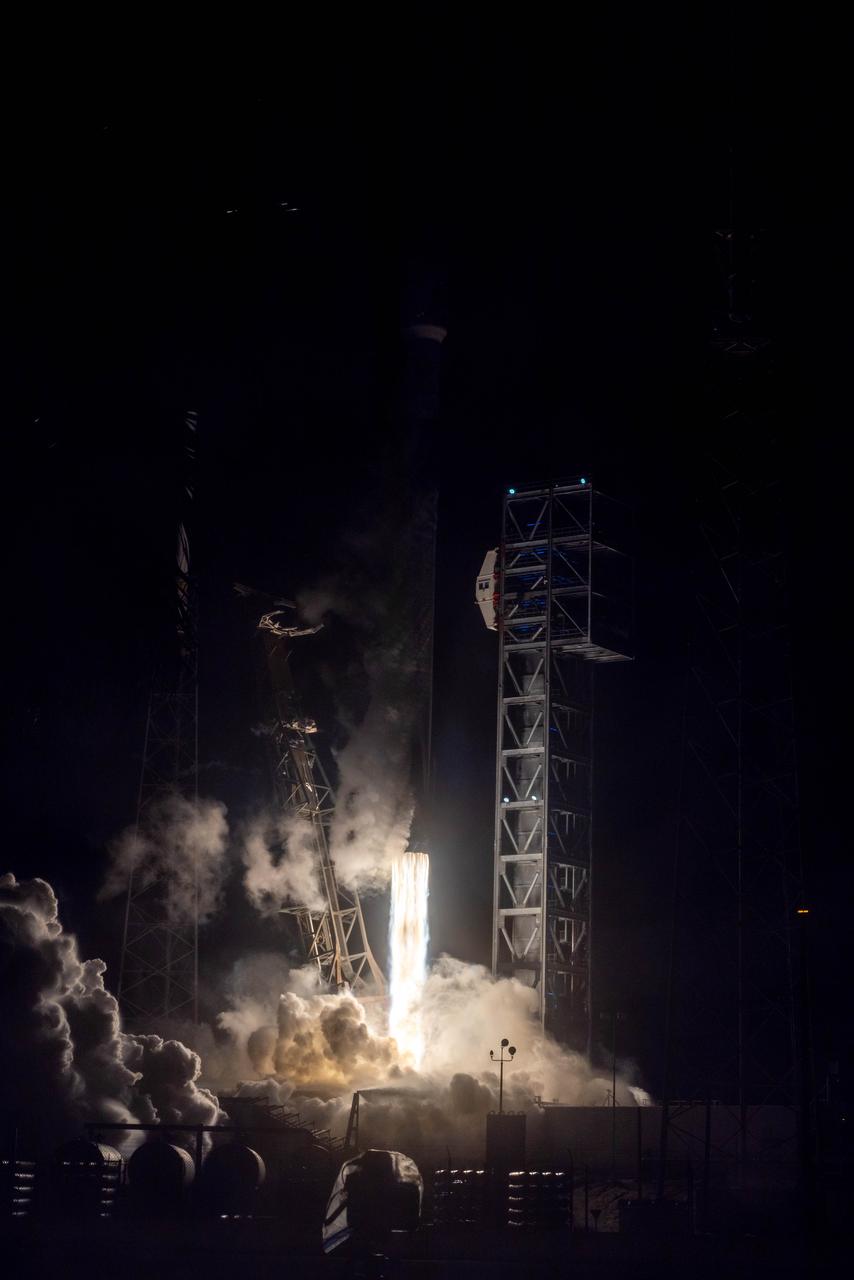
GSFC · 2024-02-08 · GSFC_20240208_PACE_002299
GSFC_20240208_PACE_002299
NASA’s PACE (Plankton, Aerosol, Cloud, ocean Ecosystem) spacecraft, atop a SpaceX Falcon 9 rocket, successfully lifts off from Space Launch Complex 40 at Cape Canaveral Space Force Station…
Inspect NASA record
NASA’s PACE (Plankton, Aerosol, Cloud, ocean Ecosystem) spacecraft, atop a SpaceX Falcon 9 rocket, successfully lifts off from Space Launch Complex 40 at Cape Canaveral Space Force Station in Florida at 1:33 a.m. EST Thursday, Feb. 8. PACE is NASA’s newest earth-observing satellite that will help increase our understanding of Earth’s oceans, atmosphere, and climate by delivering hyperspectral observations of microscopic marine organisms called phytoplankton, as well new data on clouds and aerosols.
- Record ID
- GSFC_20240208_PACE_002299
- NASA center
- GSFC
- Date
- 2024-02-08
- Credit
- NASA / Denny Henry; Desiree Stover; Barbara Lambert; Katie Mellos; and Mike Guinto

HQ · 2014-05-06 · 201405060001HQ
National Climate Assessment
NASA Earth Science Division Director Michael Freilich shows meteorologists an AERONET sun photometer, right, and a model of the Global Precipitation Measurement (GPM) Core Observatory during a media…
Inspect NASA record
NASA Earth Science Division Director Michael Freilich shows meteorologists an AERONET sun photometer, right, and a model of the Global Precipitation Measurement (GPM) Core Observatory during a media event for the release of the Third U.S. National Climate Assessment, South Lawn of the White House in Washington, Tuesday, May 6, 2014. NASA Earth-observing satellite observations and analysis by the NASA-supported research community underlie many of the findings in the new climate change assessment. Photo Credit: (NASA/Bill Ingalls)
- Record ID
- 201405060001HQ
- NASA center
- HQ
- Date
- 2014-05-06
- Credit
- NASA/Bill Ingalls
- Keywords
- AERONET sun photometer, D.C., Global Precipitation Measurement (GPM), Michael Freilich, South Lawn, The White House, U.S. National Climate Assessment, Washington, White House
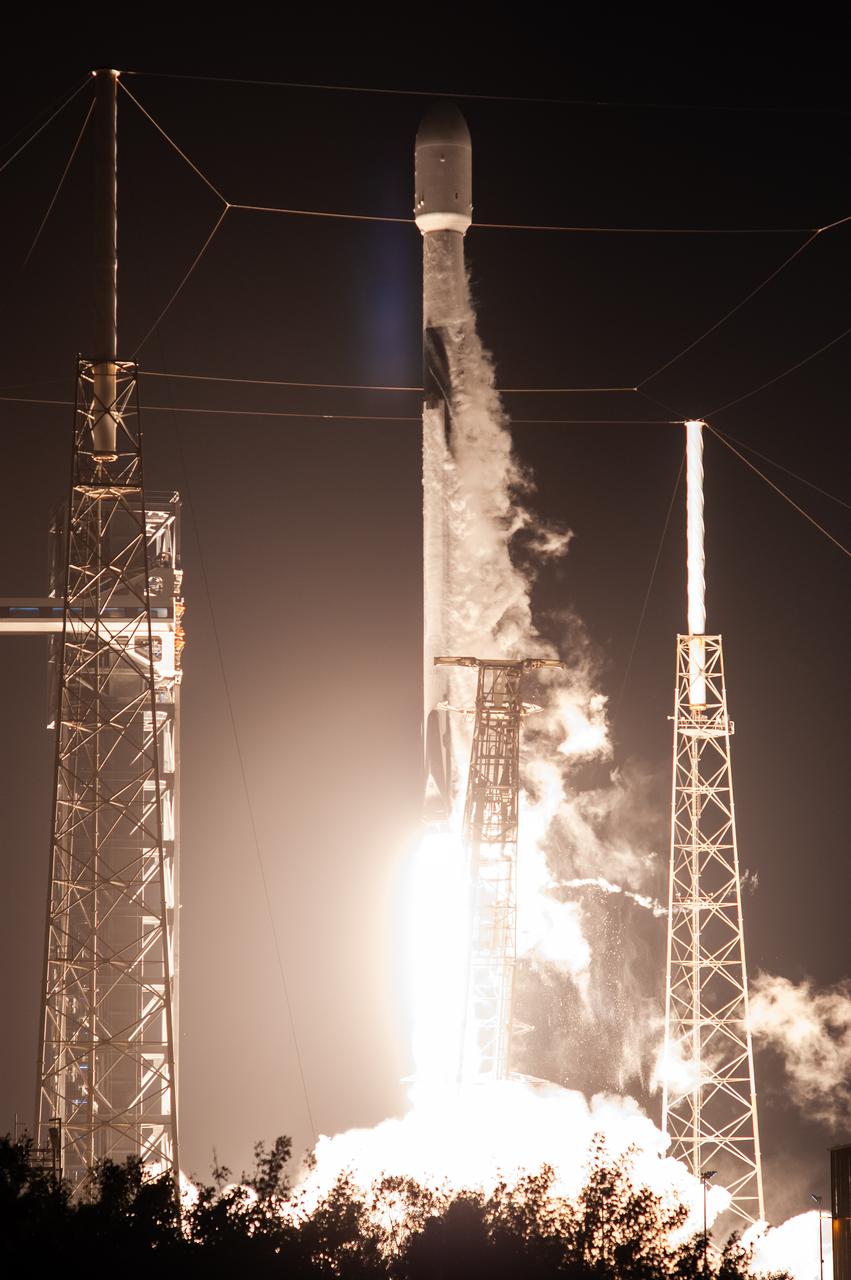
KSC · 2024-02-08 · KSC-20240208-PH-KMO06_0018
PACE Launch
NASA’s PACE (Plankton, Aerosol, Cloud, ocean Ecosystem) spacecraft, atop a SpaceX Falcon 9 rocket, successfully lifts off from Space Launch Complex 40 at Cape Canaveral Space Force Station…
Inspect NASA record
NASA’s PACE (Plankton, Aerosol, Cloud, ocean Ecosystem) spacecraft, atop a SpaceX Falcon 9 rocket, successfully lifts off from Space Launch Complex 40 at Cape Canaveral Space Force Station in Florida at 1:33 a.m. EST Thursday, Feb. 8. PACE is NASA’s newest earth-observing satellite that will help increase our understanding of Earth’s oceans, atmosphere, and climate by delivering hyperspectral observations of microscopic marine organisms called phytoplankton, as well new data on clouds and aerosols.
- Record ID
- KSC-20240208-PH-KMO06_0018
- NASA center
- KSC
- Date
- 2024-02-08
- Credit
- NASA/Kevin O'Connell and Kevin D
- Keywords
- Aerosol, Astrotech Spaceflight Operations, Cape Canaveral Space Force Station, Cloud, Earth, Falcon 9, Goddard Space Flight Center, KSC, Kennedy Space Center, LC 40, LSP, Launch Services Program

GSFC · 2024-02-08 · GSFC_20240208_PACE_002307
GSFC_20240208_PACE_002307
NASA’s PACE (Plankton, Aerosol, Cloud, ocean Ecosystem) spacecraft, atop a SpaceX Falcon 9 rocket, successfully lifts off from Space Launch Complex 40 at Cape Canaveral Space Force Station…
Inspect NASA record
NASA’s PACE (Plankton, Aerosol, Cloud, ocean Ecosystem) spacecraft, atop a SpaceX Falcon 9 rocket, successfully lifts off from Space Launch Complex 40 at Cape Canaveral Space Force Station in Florida at 1:33 a.m. EST Thursday, Feb. 8. PACE is NASA’s newest earth-observing satellite that will help increase our understanding of Earth’s oceans, atmosphere, and climate by delivering hyperspectral observations of microscopic marine organisms called phytoplankton, as well new data on clouds and aerosols.
- Record ID
- GSFC_20240208_PACE_002307
- NASA center
- GSFC
- Date
- 2024-02-08
- Credit
- NASA / Denny Henry; Desiree Stover; Barbara Lambert; Katie Mellos; and Mike Guinto
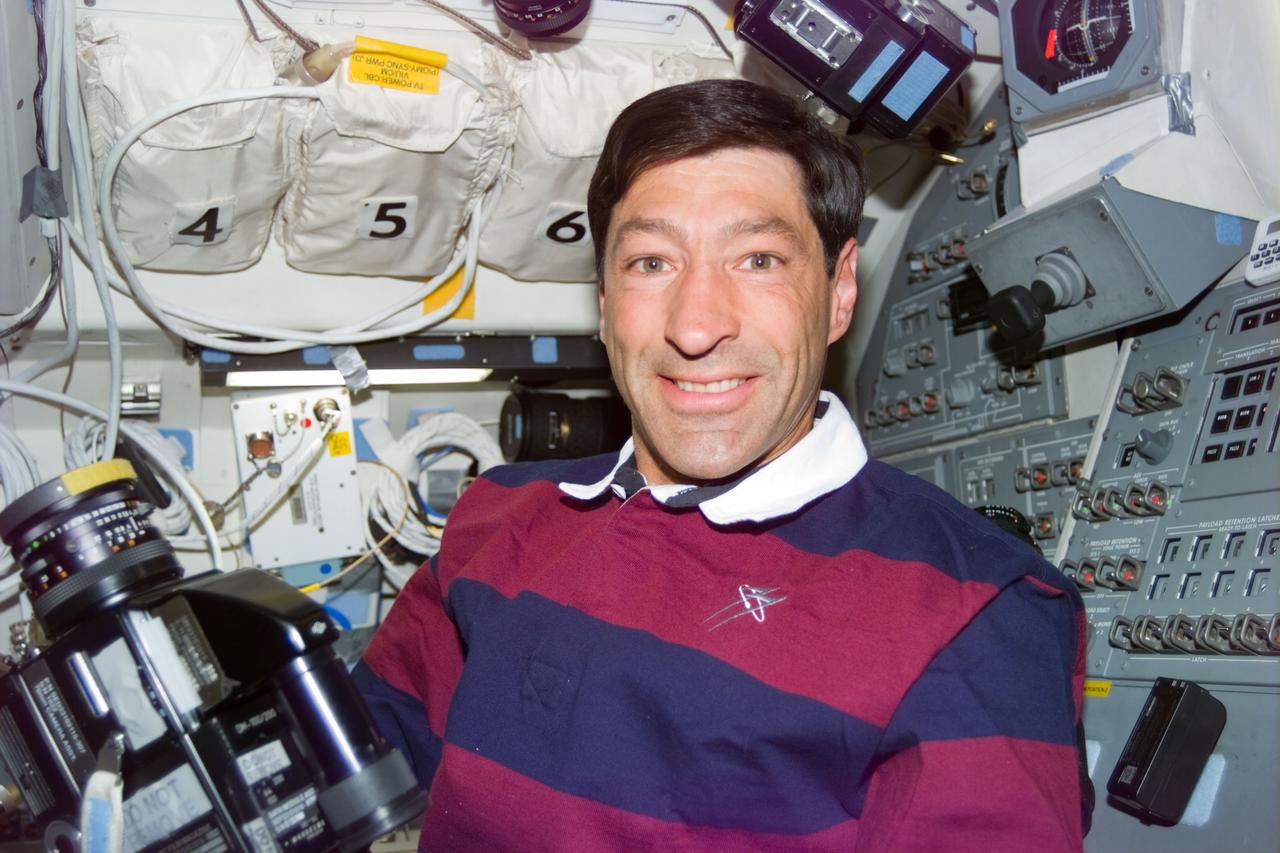
JSC · 1996-05-24 · s77e5078
Runco on aft flight deck
S77-E-5078 (24 May 1996) --- On the Space Shuttle Endeavour's aft flight deck, astronaut Mario Runco, Jr., mission specialist, grabs a hand-held 70mm camera and prepares to take…
Inspect NASA record
S77-E-5078 (24 May 1996) --- On the Space Shuttle Endeavour's aft flight deck, astronaut Mario Runco, Jr., mission specialist, grabs a hand-held 70mm camera and prepares to take still pictures of an Earth observation target of opportunity. A pair of windows just out of frame above Runco's head provide the crew members with a prime operating perspective of Earth observation targets. A crew mate exposed the image with an Electronic Still Camera (ESC).
- Record ID
- s77e5078
- NASA center
- JSC
- Date
- 1996-05-24
- Keywords
- ASTRONAUTS, FLIGHT DECK, ONBOARD ACTIVITIES, STS-77, ENDEAVOUR (ORBITER)
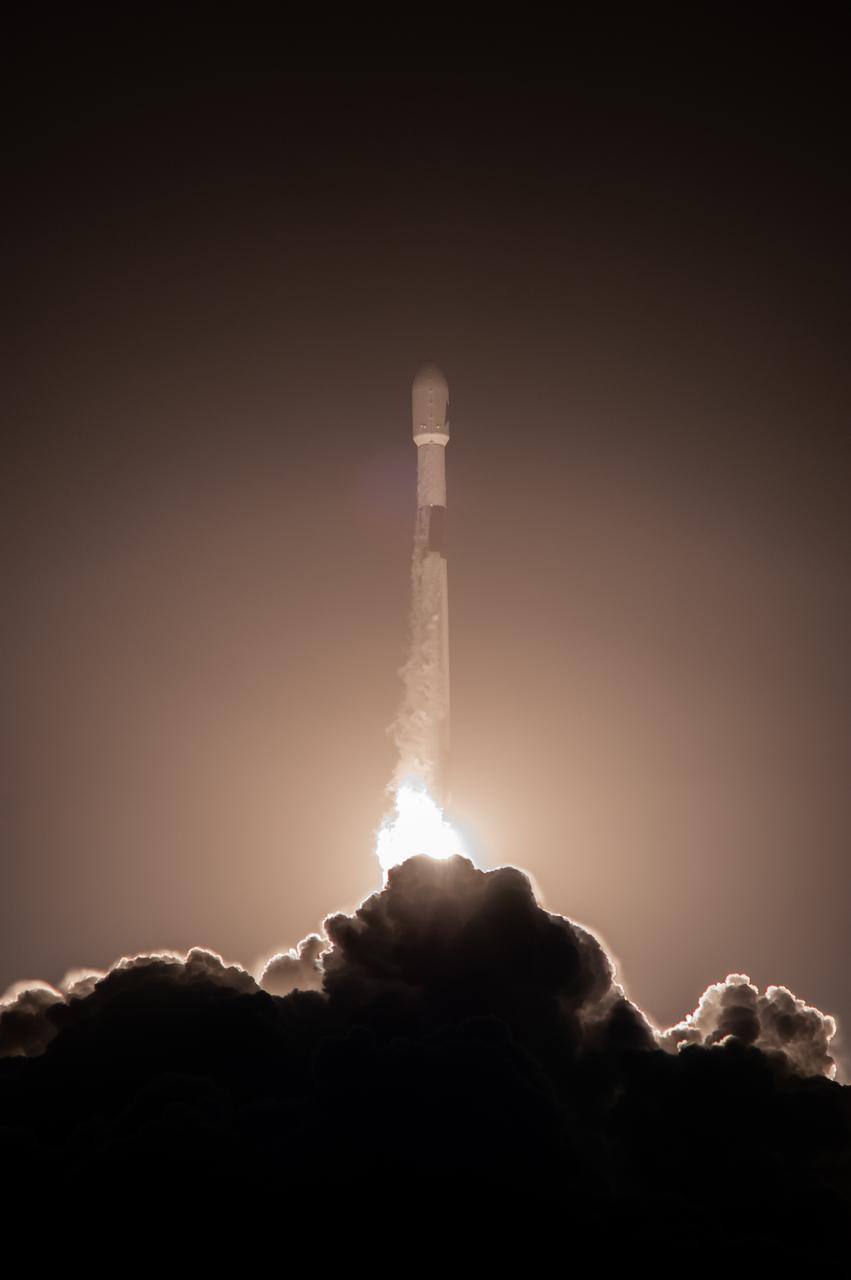
KSC · 2024-02-08 · KSC-20240208-PH-KMO07_0013
PACE Launch
NASA’s PACE (Plankton, Aerosol, Cloud, ocean Ecosystem) spacecraft, atop a SpaceX Falcon 9 rocket, successfully lifts off from Space Launch Complex 40 at Cape Canaveral Space Force Station…
Inspect NASA record
NASA’s PACE (Plankton, Aerosol, Cloud, ocean Ecosystem) spacecraft, atop a SpaceX Falcon 9 rocket, successfully lifts off from Space Launch Complex 40 at Cape Canaveral Space Force Station in Florida at 1:33 a.m. EST Thursday, Feb. 8. PACE is NASA’s newest earth-observing satellite that will help increase our understanding of Earth’s oceans, atmosphere, and climate by delivering hyperspectral observations of microscopic marine organisms called phytoplankton, as well new data on clouds and aerosols.
- Record ID
- KSC-20240208-PH-KMO07_0013
- NASA center
- KSC
- Date
- 2024-02-08
- Credit
- NASA/Kevin O'Connell and Kevin D
- Keywords
- Aerosol, Astrotech Spaceflight Operations, Cape Canaveral Space Force Station, Cloud, Earth, Falcon 9, Goddard Space Flight Center, KSC, Kennedy Space Center, LC 40, LSP, Launch Services Program
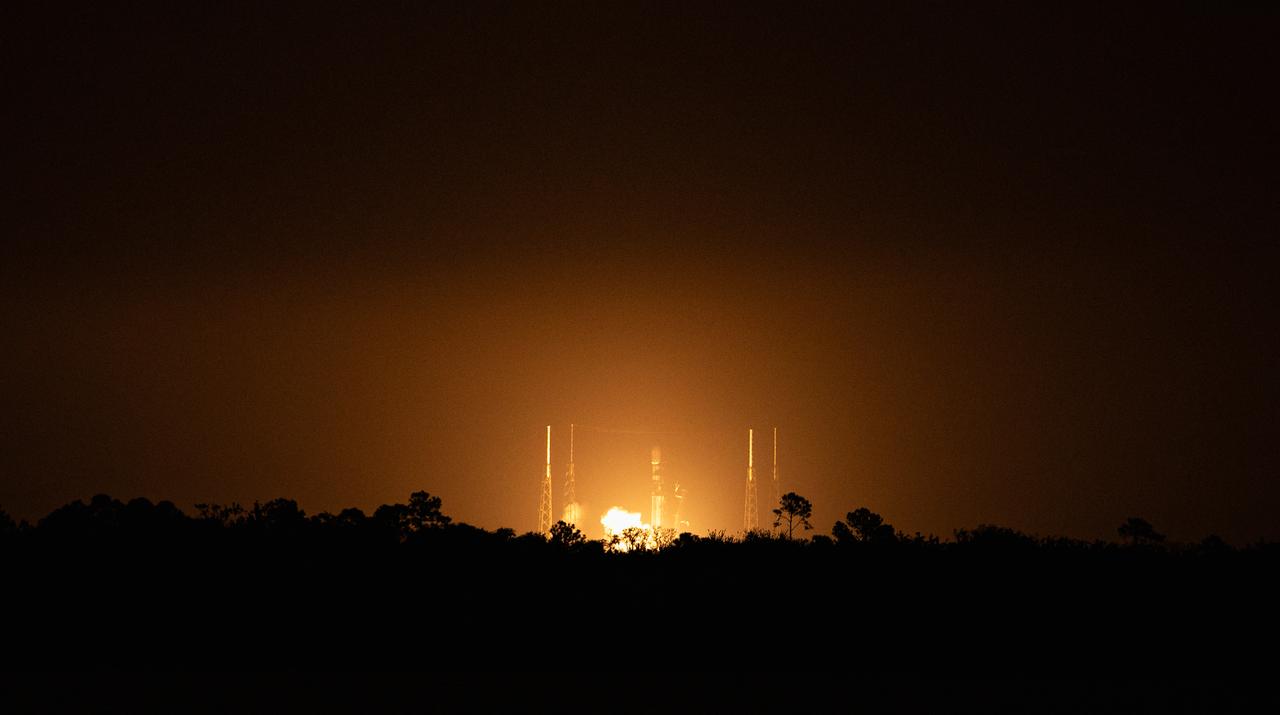
KSC · 2024-02-08 · KSC-20240208-PH-KLS01_0005
PACE Live Launch Coverage
NASA’s PACE (Plankton, Aerosol, Cloud, ocean Ecosystem) spacecraft, atop a SpaceX Falcon 9 rocket, successfully lifts off from Space Launch Complex 40 at Cape Canaveral Space Force Station…
Inspect NASA record
NASA’s PACE (Plankton, Aerosol, Cloud, ocean Ecosystem) spacecraft, atop a SpaceX Falcon 9 rocket, successfully lifts off from Space Launch Complex 40 at Cape Canaveral Space Force Station in Florida at 1:33 a.m. EST Thursday, Feb. 8. PACE is NASA’s newest earth-observing satellite that will help increase our understanding of Earth’s oceans, atmosphere, and climate by delivering hyperspectral observations of microscopic marine organisms called phytoplankton, as well new data on clouds and aerosols.
- Record ID
- KSC-20240208-PH-KLS01_0005
- NASA center
- KSC
- Date
- 2024-02-08
- Credit
- NASA/Kim Shiflett
- Keywords
- Aerosol, Astrotech Spaceflight Operations, Cape Canaveral Space Force Station, Cloud, Earth, Falcon 9, Goddard Space Flight Center, KSC, Kennedy Space Center, LC 40, LSP, Launch Services Program
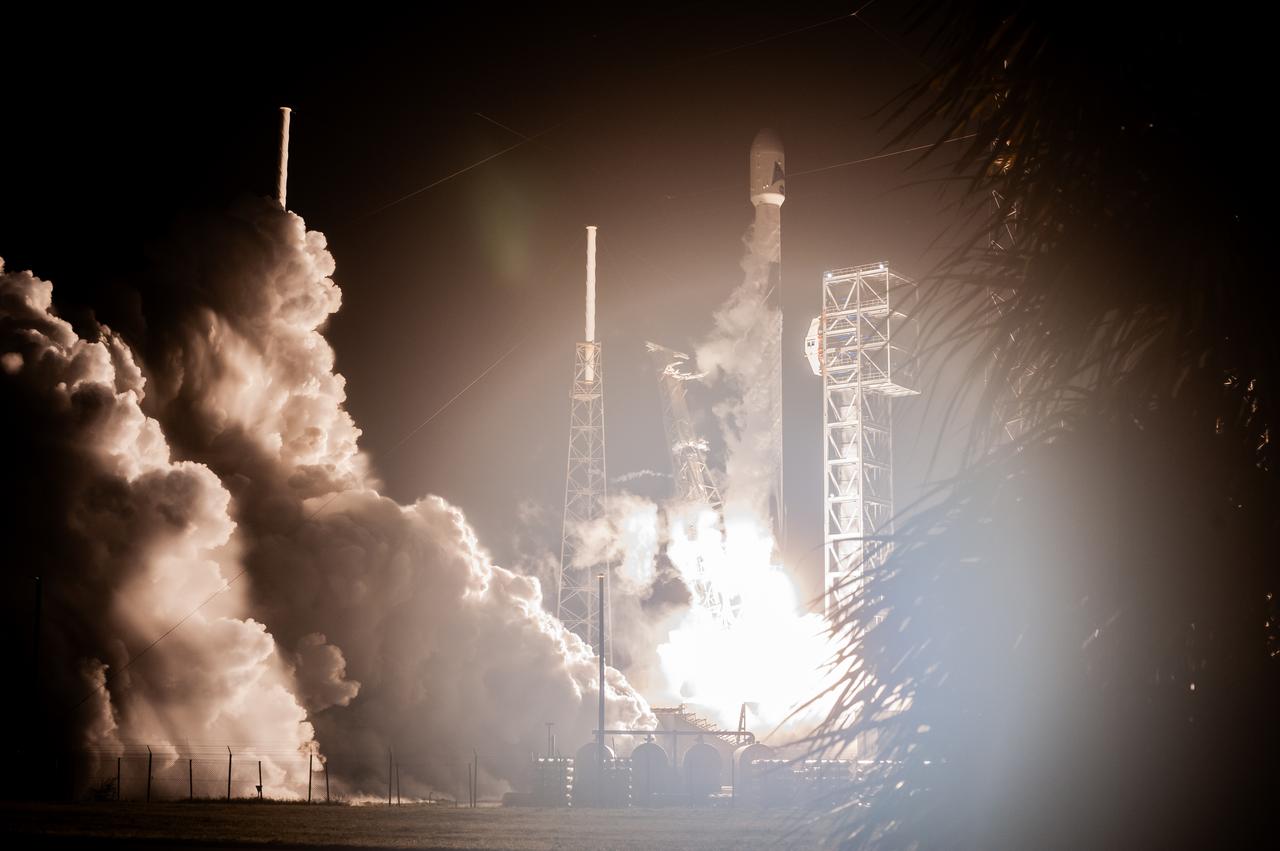
KSC · 2024-02-08 · KSC-20240208-PH-KMO03_0010
PACE Launch
NASA’s PACE (Plankton, Aerosol, Cloud, ocean Ecosystem) spacecraft, atop a SpaceX Falcon 9 rocket, successfully lifts off from Space Launch Complex 40 at Cape Canaveral Space Force Station…
Inspect NASA record
NASA’s PACE (Plankton, Aerosol, Cloud, ocean Ecosystem) spacecraft, atop a SpaceX Falcon 9 rocket, successfully lifts off from Space Launch Complex 40 at Cape Canaveral Space Force Station in Florida at 1:33 a.m. EST Thursday, Feb. 8. PACE is NASA’s newest earth-observing satellite that will help increase our understanding of Earth’s oceans, atmosphere, and climate by delivering hyperspectral observations of microscopic marine organisms called phytoplankton, as well new data on clouds and aerosols.
- Record ID
- KSC-20240208-PH-KMO03_0010
- NASA center
- KSC
- Date
- 2024-02-08
- Credit
- NASA/Kevin O'Connell and Kevin D
- Keywords
- Aerosol, Astrotech Spaceflight Operations, Cape Canaveral Space Force Station, Cloud, Earth, Falcon 9, Goddard Space Flight Center, KSC, Kennedy Space Center, LC 40, LSP, Launch Services Program