
Update Site (from NASA)
Explore NASA’s Image and Video Library.
Suggest one object per day for the Interstellar Minds collection. We review each suggestion before adding it.
Sign in to suggest a Marvel.
Find a NASA image ID. Open a NASA record and copy its ID from the end of the details URL.
NASA image records
JSC · 1974-03-01 · s74-18098
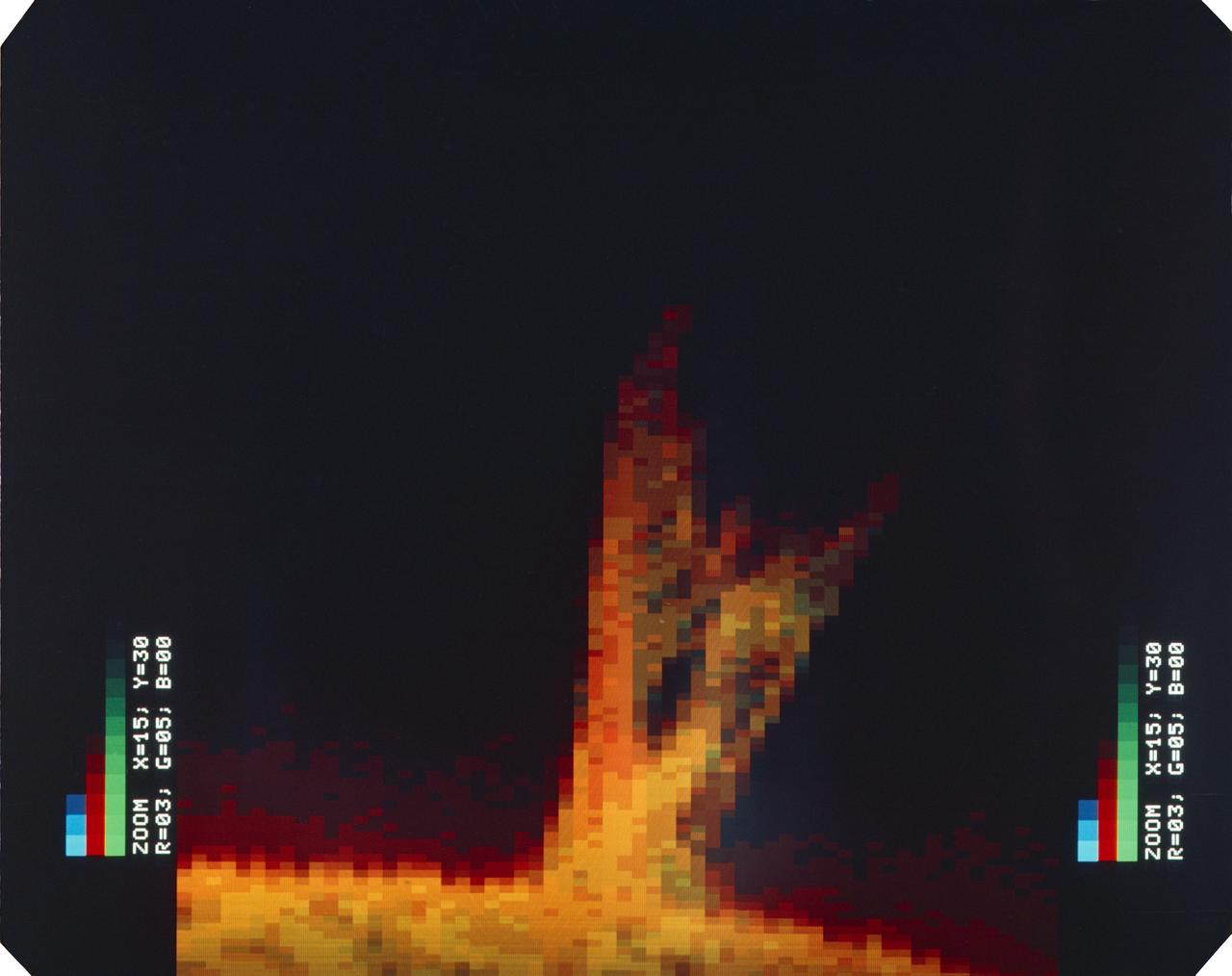
SKYLAB (SL)-3 - SOLAR FLARES
S74-18098 (1974) --- Graphical representation of an ultraviolet photograph depicting a solar flare, using the Skylab 4 Earth Observation Experiment equipment. Photo credit: NASA
Inspect NASA record
S74-18098 (1974) --- Graphical representation of an ultraviolet photograph depicting a solar flare, using the Skylab 4 Earth Observation Experiment equipment. Photo credit: NASA
- Record ID
- s74-18098
- NASA center
- JSC
- Date
- 1974-03-01
JSC · 2006-06-02 · s62-01285
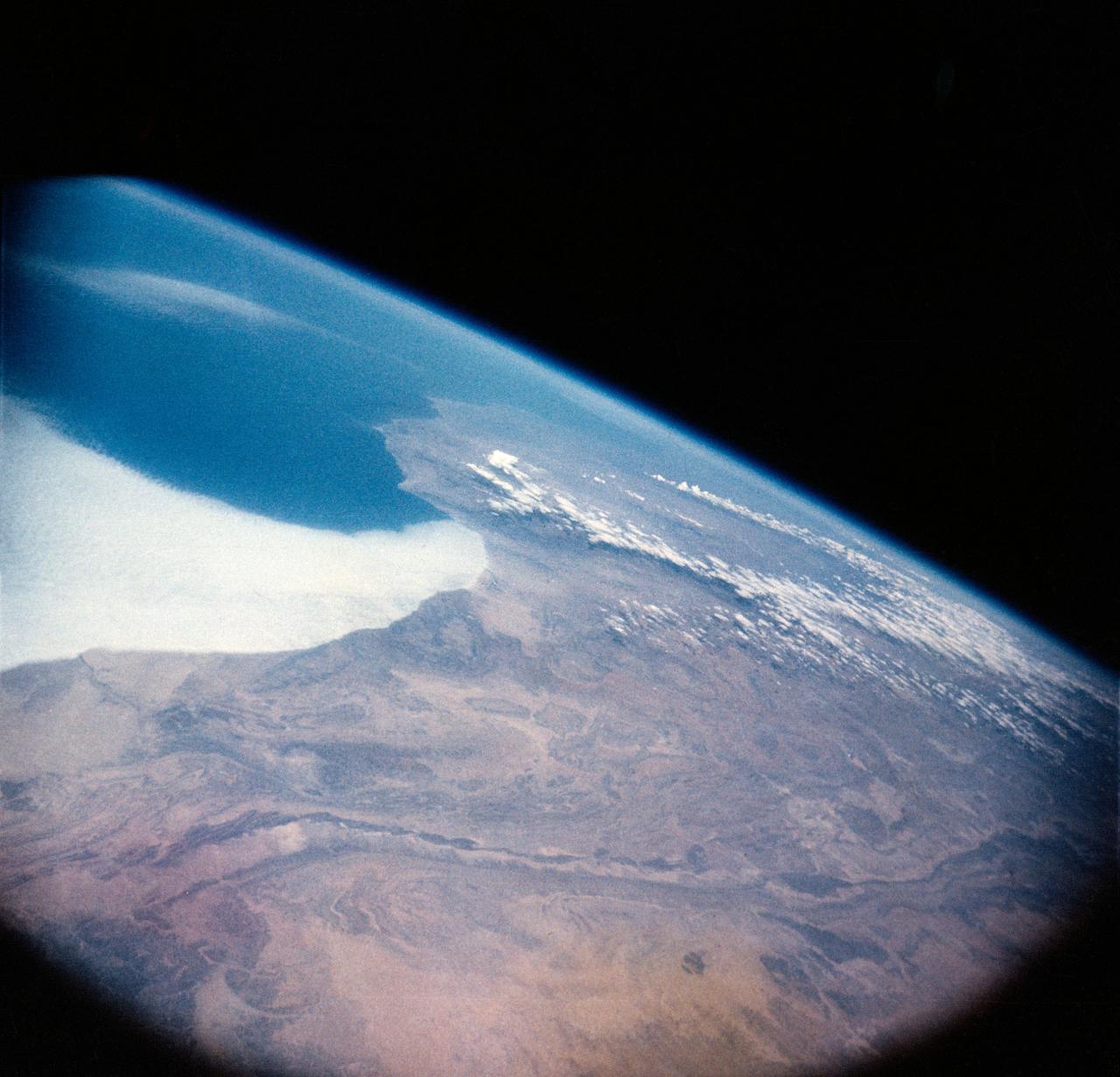
s62-01285
S62-01285 (13 Sept. 1961) --- Earth observations of a shoreline taken from the Mercury-Atlas 4 (MA-4) spacecraft. Photo credit: NASA
Inspect NASA record
S62-01285 (13 Sept. 1961) --- Earth observations of a shoreline taken from the Mercury-Atlas 4 (MA-4) spacecraft. Photo credit: NASA
- Record ID
- s62-01285
- NASA center
- JSC
- Date
- 2006-06-02
JPL · 2016-10-07 · PIA21072
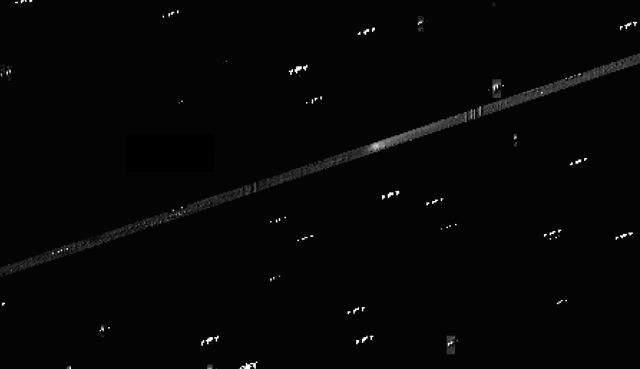
Comet 67P Seen by Kepler
The European Space Agency's Rosetta mission concluded its study of comet 67P/Churyumov-Gerasimenko on Sept. 30, 2016. NASA's planet-hunting Kepler spacecraft observed the comet during the final month of…
Inspect NASA record
The European Space Agency's Rosetta mission concluded its study of comet 67P/Churyumov-Gerasimenko on Sept. 30, 2016. NASA's planet-hunting Kepler spacecraft observed the comet during the final month of the Rosetta mission, while the comet was not visible from Earth. This animation is composed of images from Kepler of the comet. From Sept. 7 through Sept. 20, the Kepler spacecraft, operating in its K2 mission, fixed its gaze on comet 67P. From the distant vantage point of Kepler, the comet's nucleus and tail could be observed. The long-range view from Kepler complements the closeup view of the Rosetta spacecraft, providing context for the high-resolution investigation Rosetta performed as it descended closer and closer to the comet. During the two-week period of study, Kepler took a picture of the comet every 30 minutes. The animation shows a period of 29.5 hours of observation from Sept. 17 thru Sept. 18. The comet is seen passing through Kepler's field of view from top right to bottom left, as outlined by the diagonal strip. The white dots represent stars and other regions in space studied during K2's tenth observing campaign. As a comet travels through space it sheds a tail of gas and dust. The more material that is shed, the more surface area there is to reflect sunlight. A comet's activity level can be obtained by measuring the reflected sunlight. Analyzing the Kepler data, scientists will be able to determine the amount of mass lost each day as comet 67P travels through the solar system. An animation is available at http://photojournal.jpl.nasa.gov/catalog/PIA21072
- Record ID
- PIA21072
- NASA center
- JPL
- Date
- 2016-10-07
- Credit
- NASA/Ames/JPL-Caltech/STScI/Open University/C. Snodgrass and SETI Institute/E. Ryan
- Keywords
- Comet, Kepler, Rosetta
GSFC · 2024-02-08 · GSFC_20240208_PACE_002316
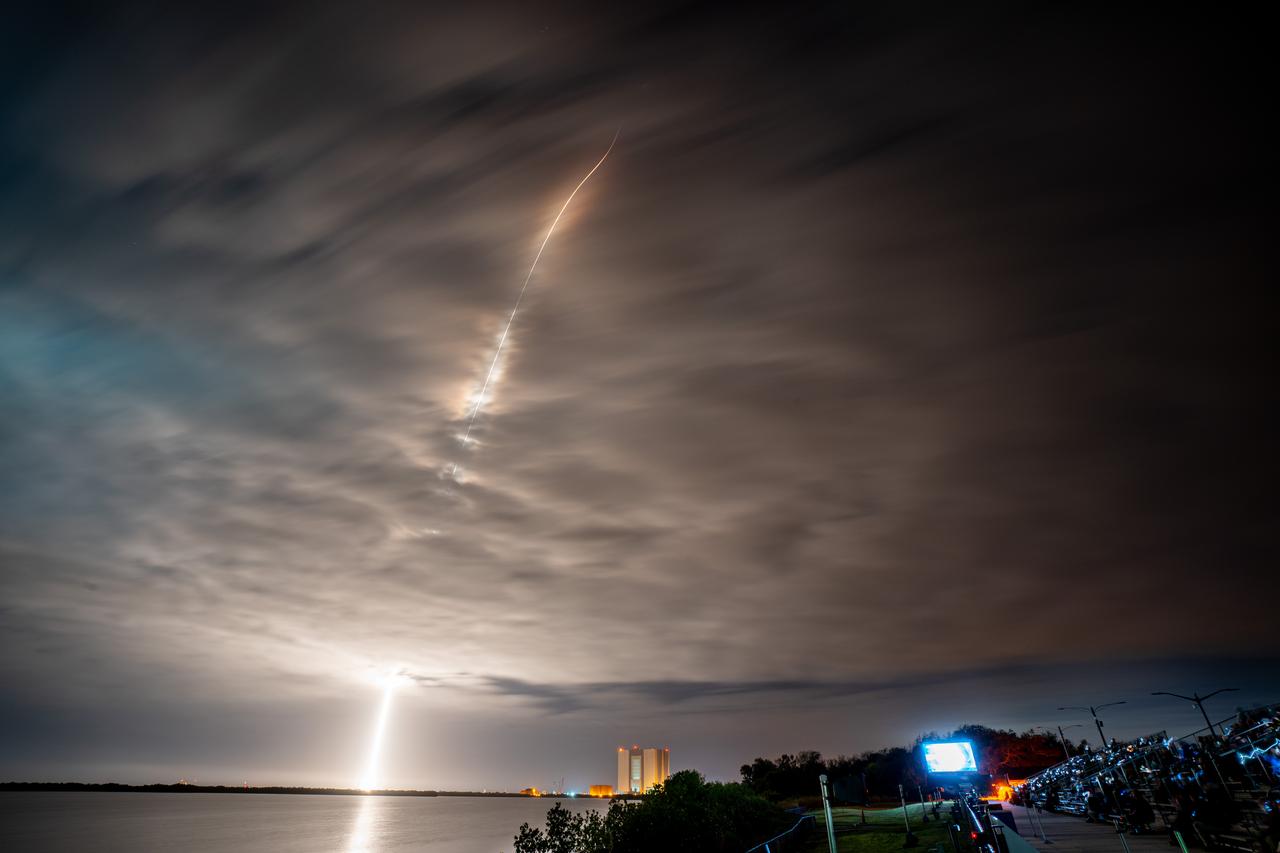
GSFC_20240208_PACE_002316
NASA’s PACE (Plankton, Aerosol, Cloud, ocean Ecosystem) spacecraft is seen in this long exposure photograph as it launched atop a SpaceX Falcon 9 rocket from Space Launch Complex…
Inspect NASA record
NASA’s PACE (Plankton, Aerosol, Cloud, ocean Ecosystem) spacecraft is seen in this long exposure photograph as it launched atop a SpaceX Falcon 9 rocket from Space Launch Complex 40 at Cape Canaveral Space Force Station in Florida at 1:33 a.m. EST Thursday, Feb. 8. PACE is NASA’s newest earth-observing satellite that will help increase our understanding of Earth’s oceans, atmosphere, and climate by delivering hyperspectral observations of microscopic marine organisms called phytoplankton, as well new data on clouds and aerosols.
- Record ID
- GSFC_20240208_PACE_002316
- NASA center
- GSFC
- Date
- 2024-02-08
- Credit
- NASA / Denny Henry
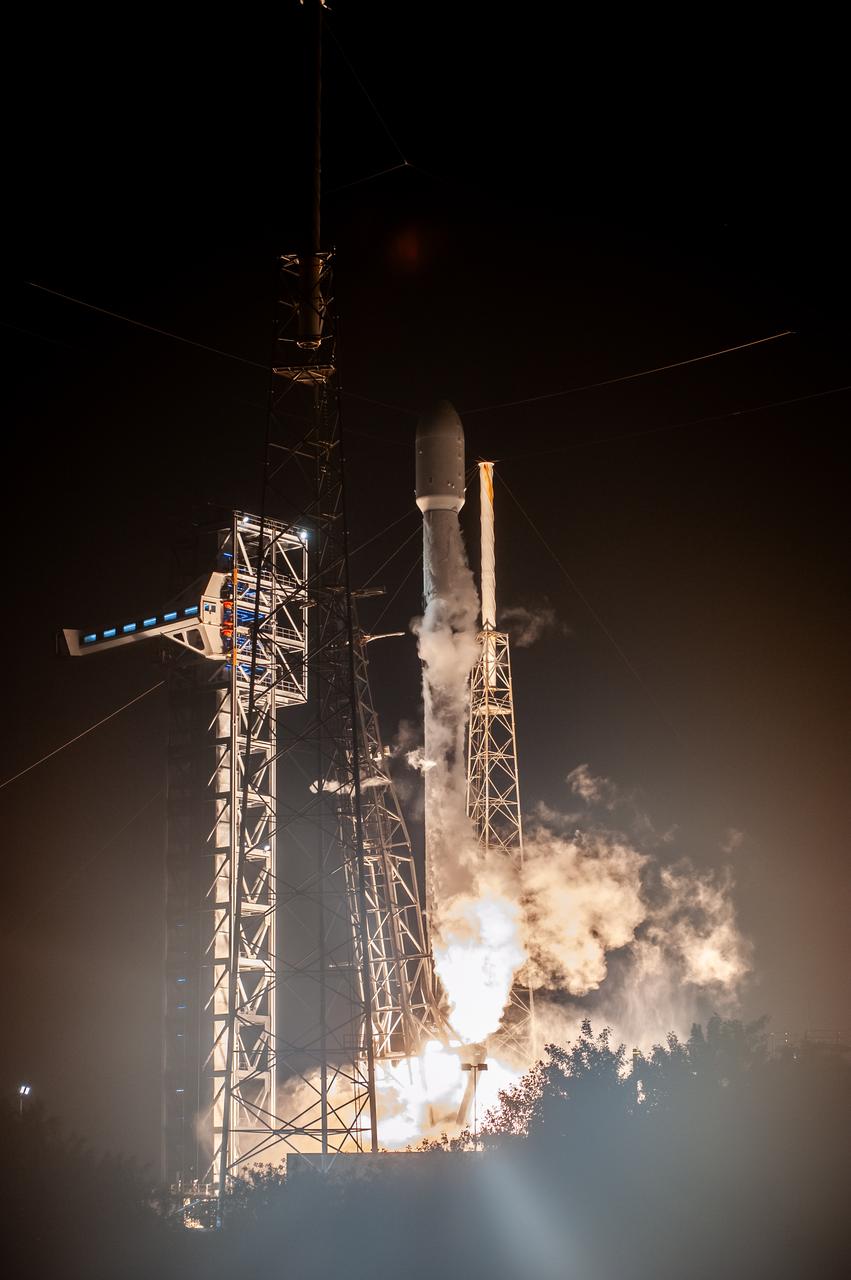
KSC · 2024-02-08 · KSC-20240208-PH-KMO05_0005
PACE Launch
NASA’s PACE (Plankton, Aerosol, Cloud, ocean Ecosystem) spacecraft, atop a SpaceX Falcon 9 rocket, successfully lifts off from Space Launch Complex 40 at Cape Canaveral Space Force Station…
Inspect NASA record
NASA’s PACE (Plankton, Aerosol, Cloud, ocean Ecosystem) spacecraft, atop a SpaceX Falcon 9 rocket, successfully lifts off from Space Launch Complex 40 at Cape Canaveral Space Force Station in Florida at 1:33 a.m. EST Thursday, Feb. 8. PACE is NASA’s newest earth-observing satellite that will help increase our understanding of Earth’s oceans, atmosphere, and climate by delivering hyperspectral observations of microscopic marine organisms called phytoplankton, as well new data on clouds and aerosols.
- Record ID
- KSC-20240208-PH-KMO05_0005
- NASA center
- KSC
- Date
- 2024-02-08
- Credit
- NASA/Kevin Davis and Kevin O'Con
- Keywords
- Aerosol, Astrotech Spaceflight Operations, Cape Canaveral Space Force Station, Cloud, Earth, Falcon 9, Goddard Space Flight Center, KSC, Kennedy Space Center, LC 40, LSP, Launch Services Program
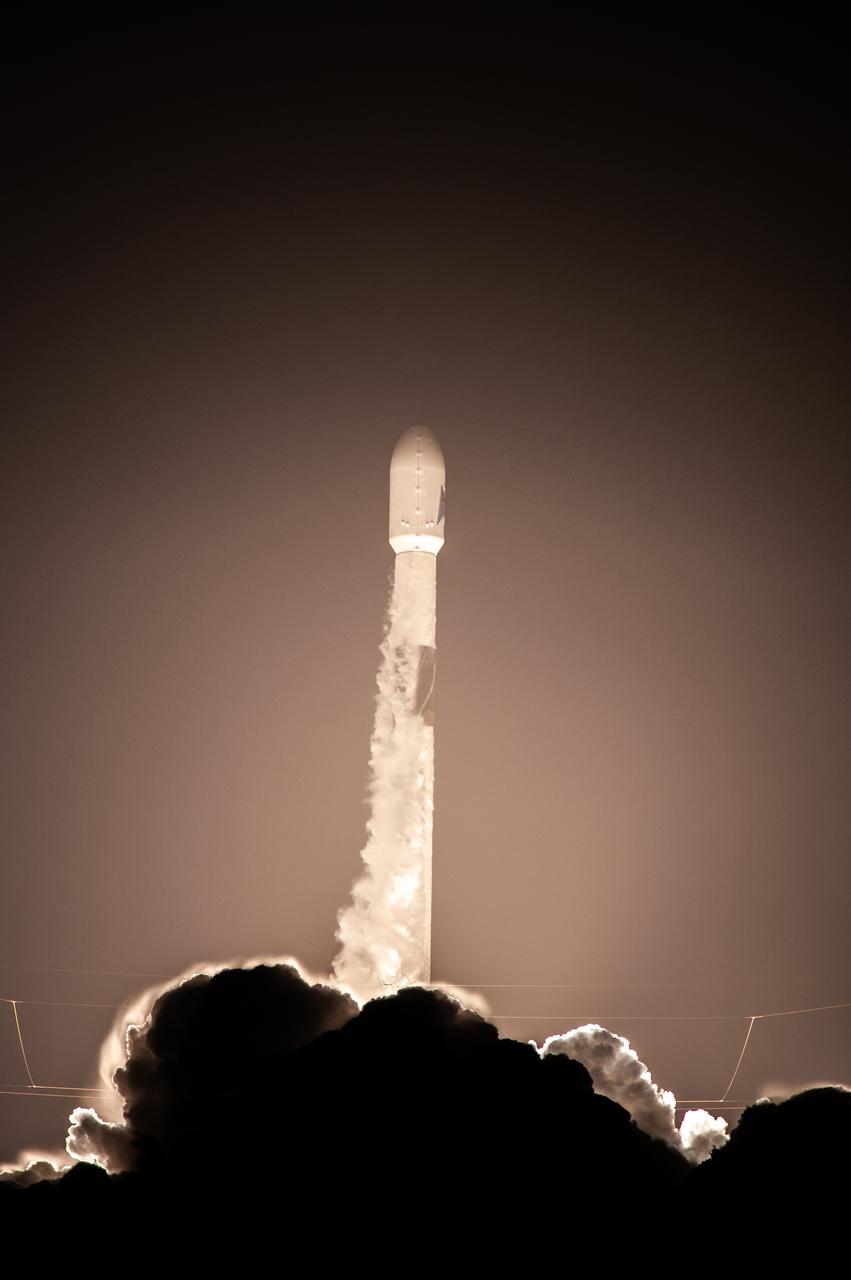
KSC · 2024-02-08 · KSC-20240208-PH-KMO01_0004
PACE Launch
NASA’s PACE (Plankton, Aerosol, Cloud, ocean Ecosystem) spacecraft, atop a SpaceX Falcon 9 rocket, successfully lifts off from Space Launch Complex 40 at Cape Canaveral Space Force Station…
Inspect NASA record
NASA’s PACE (Plankton, Aerosol, Cloud, ocean Ecosystem) spacecraft, atop a SpaceX Falcon 9 rocket, successfully lifts off from Space Launch Complex 40 at Cape Canaveral Space Force Station in Florida at 1:33 a.m. EST Thursday, Feb. 8. PACE is NASA’s newest earth-observing satellite that will help increase our understanding of Earth’s oceans, atmosphere, and climate by delivering hyperspectral observations of microscopic marine organisms called phytoplankton, as well new data on clouds and aerosols.
- Record ID
- KSC-20240208-PH-KMO01_0004
- NASA center
- KSC
- Date
- 2024-02-08
- Credit
- NASA/Kevin Davis and Kevin O'Con
- Keywords
- Aerosol, Astrotech Spaceflight Operations, Cape Canaveral Space Force Station, Cloud, Earth, Falcon 9, Goddard Space Flight Center, KSC, Kennedy Space Center, LC 40, LSP, Launch Services Program
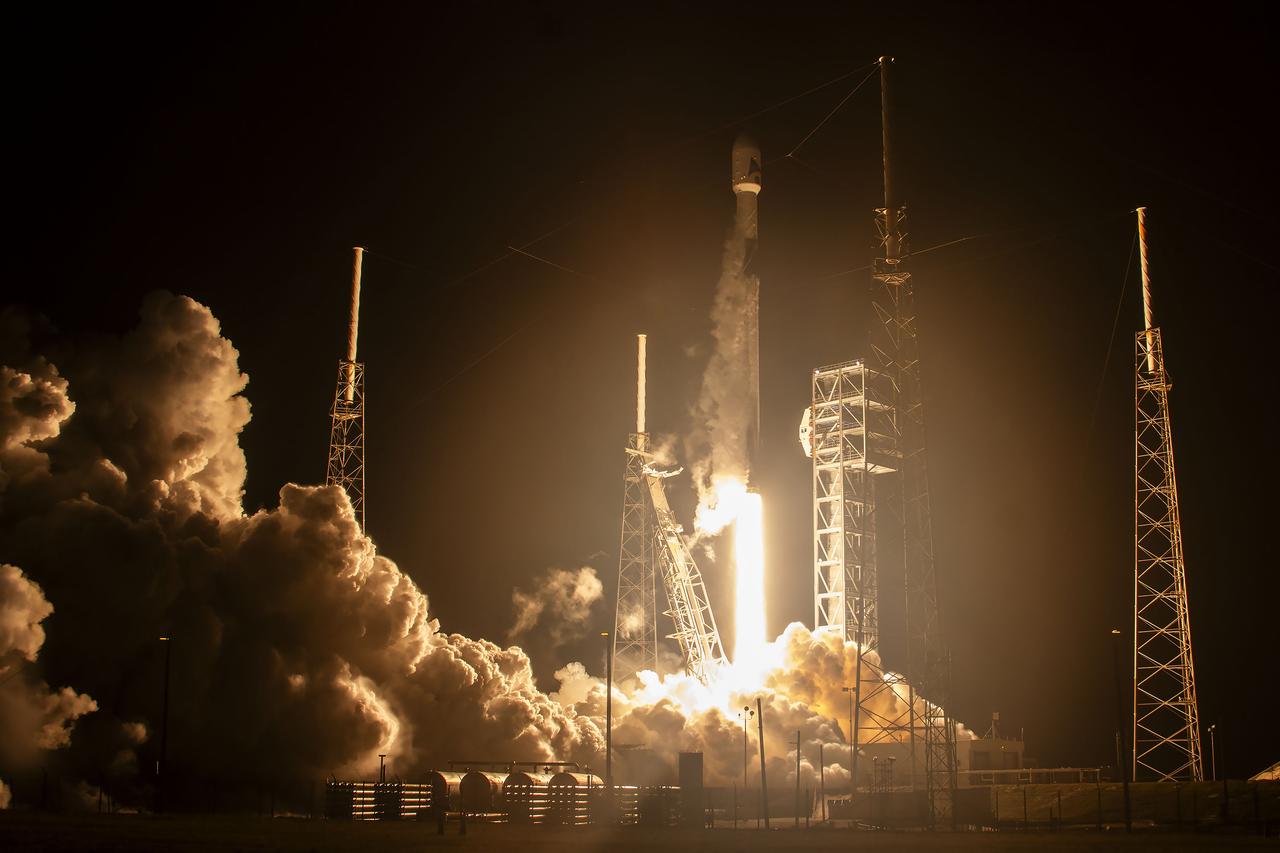
KSC · 2024-02-08 · KSC-20240208-PH-SPX01_0012
SpaceX PACE Launch
NASA’s PACE (Plankton, Aerosol, Cloud, ocean Ecosystem) spacecraft, atop a SpaceX Falcon 9 rocket, successfully lifts off from Space Launch Complex 40 at Cape Canaveral Space Force Station…
Inspect NASA record
NASA’s PACE (Plankton, Aerosol, Cloud, ocean Ecosystem) spacecraft, atop a SpaceX Falcon 9 rocket, successfully lifts off from Space Launch Complex 40 at Cape Canaveral Space Force Station in Florida at 1:33 a.m. EST Thursday, Feb. 8. PACE is NASA’s newest earth-observing satellite that will help increase our understanding of Earth’s oceans, atmosphere, and climate by delivering hyperspectral observations of microscopic marine organisms called phytoplankton, as well new data on clouds and aerosols.
- Record ID
- KSC-20240208-PH-SPX01_0012
- NASA center
- KSC
- Date
- 2024-02-08
- Credit
- SpaceX
- Keywords
- PACE, Plankton, Aerosol, Cloud, ocean Ecosystem, LSP, Launch Services Program, KSC, Kennedy Space Center, climate, algae, Earth

HQ · 2014-05-06 · 201405060002HQ
National Climate Assessment
NASA Earth Science Division Director Michael Freilich shows meteorologists an AERONET sun photometer, right, and a model of the Global Precipitation Measurement (GPM) Core Observatory during a media…
Inspect NASA record
NASA Earth Science Division Director Michael Freilich shows meteorologists an AERONET sun photometer, right, and a model of the Global Precipitation Measurement (GPM) Core Observatory during a media event for the release of the Third U.S. National Climate Assessment, South Lawn of the White House in Washington, Tuesday, May 6, 2014. NASA Earth-observing satellite observations and analysis by the NASA-supported research community underlie many of the findings in the new climate change assessment. Photo Credit: (NASA/Bill Ingalls)
- Record ID
- 201405060002HQ
- NASA center
- HQ
- Date
- 2014-05-06
- Credit
- NASA/Bill Ingalls
- Keywords
- AERONET sun photometer, D.C., Global Precipitation Measurement (GPM), Michael Freilich, South Lawn, The White House, U.S. National Climate Assessment, Washington, White House
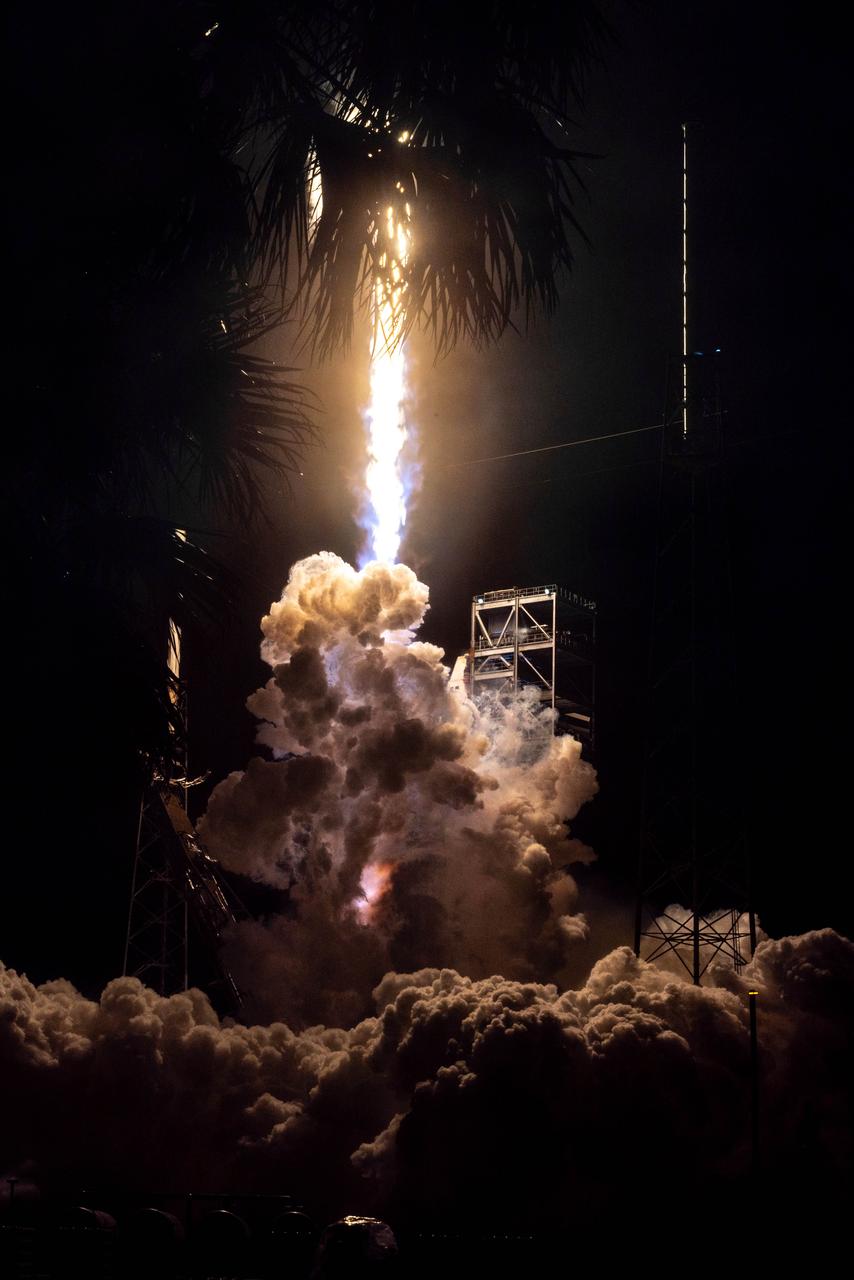
GSFC · 2024-02-08 · GSFC_20240208_PACE_002300
GSFC_20240208_PACE_002300
NASA’s PACE (Plankton, Aerosol, Cloud, ocean Ecosystem) spacecraft, atop a SpaceX Falcon 9 rocket, successfully lifts off from Space Launch Complex 40 at Cape Canaveral Space Force Station…
Inspect NASA record
NASA’s PACE (Plankton, Aerosol, Cloud, ocean Ecosystem) spacecraft, atop a SpaceX Falcon 9 rocket, successfully lifts off from Space Launch Complex 40 at Cape Canaveral Space Force Station in Florida at 1:33 a.m. EST Thursday, Feb. 8. PACE is NASA’s newest earth-observing satellite that will help increase our understanding of Earth’s oceans, atmosphere, and climate by delivering hyperspectral observations of microscopic marine organisms called phytoplankton, as well new data on clouds and aerosols.
- Record ID
- GSFC_20240208_PACE_002300
- NASA center
- GSFC
- Date
- 2024-02-08
- Credit
- NASA / Denny Henry; Desiree Stover; Barbara Lambert; Katie Mellos; and Mike Guinto
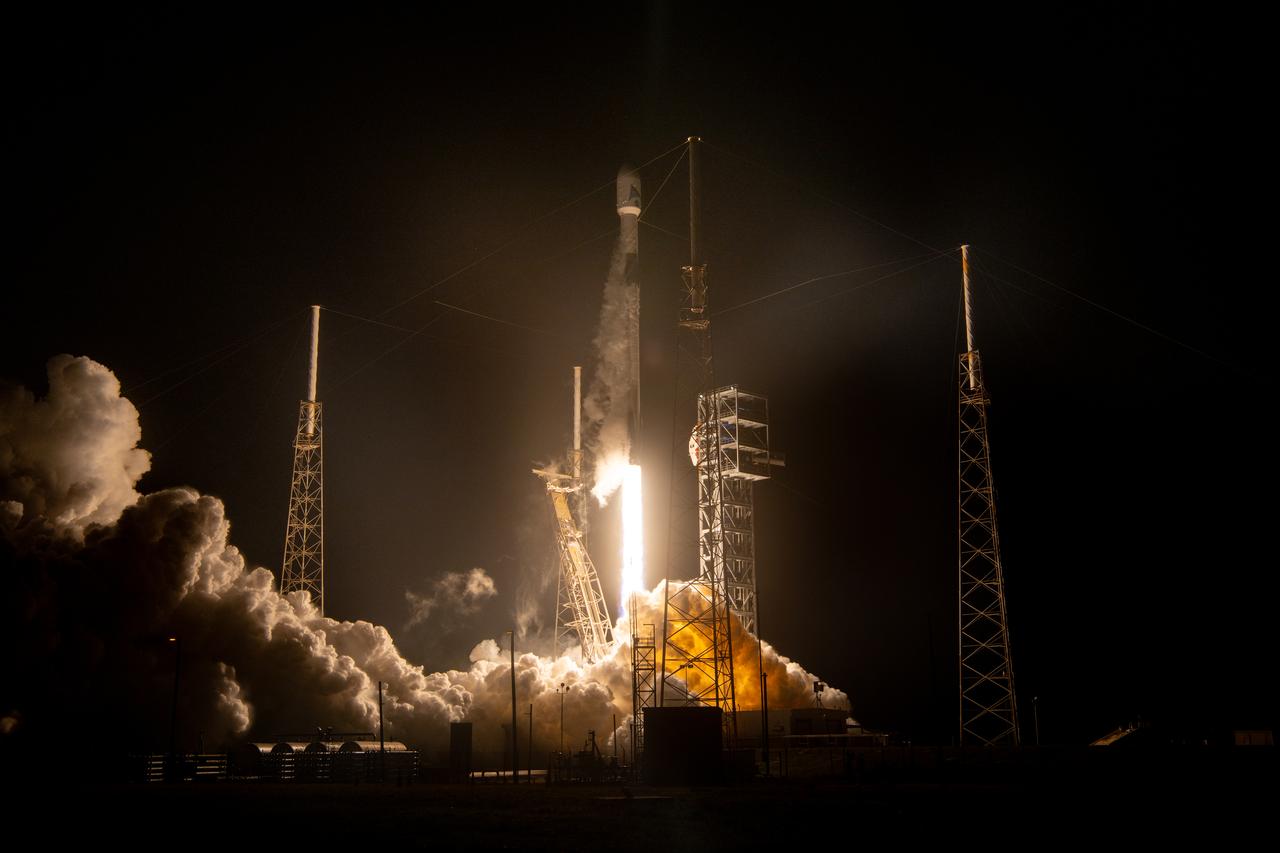
GSFC · 2024-02-08 · GSFC_20240208_PACE_002322
GSFC_20240208_PACE_002322
NASA’s PACE (Plankton, Aerosol, Cloud, ocean Ecosystem) spacecraft, atop a SpaceX Falcon 9 rocket, successfully lifts off from Space Launch Complex 40 at Cape Canaveral Space Force Station…
Inspect NASA record
NASA’s PACE (Plankton, Aerosol, Cloud, ocean Ecosystem) spacecraft, atop a SpaceX Falcon 9 rocket, successfully lifts off from Space Launch Complex 40 at Cape Canaveral Space Force Station in Florida at 1:33 a.m. EST Thursday, Feb. 8. PACE is NASA’s newest earth-observing satellite that will help increase our understanding of Earth’s oceans, atmosphere, and climate by delivering hyperspectral observations of microscopic marine organisms called phytoplankton, as well new data on clouds and aerosols.
- Record ID
- GSFC_20240208_PACE_002322
- NASA center
- GSFC
- Date
- 2024-02-08
- Credit
- NASA / Denny Henry; Desiree Stover; Barbara Lambert; Katie Mellos; and Mike Guinto
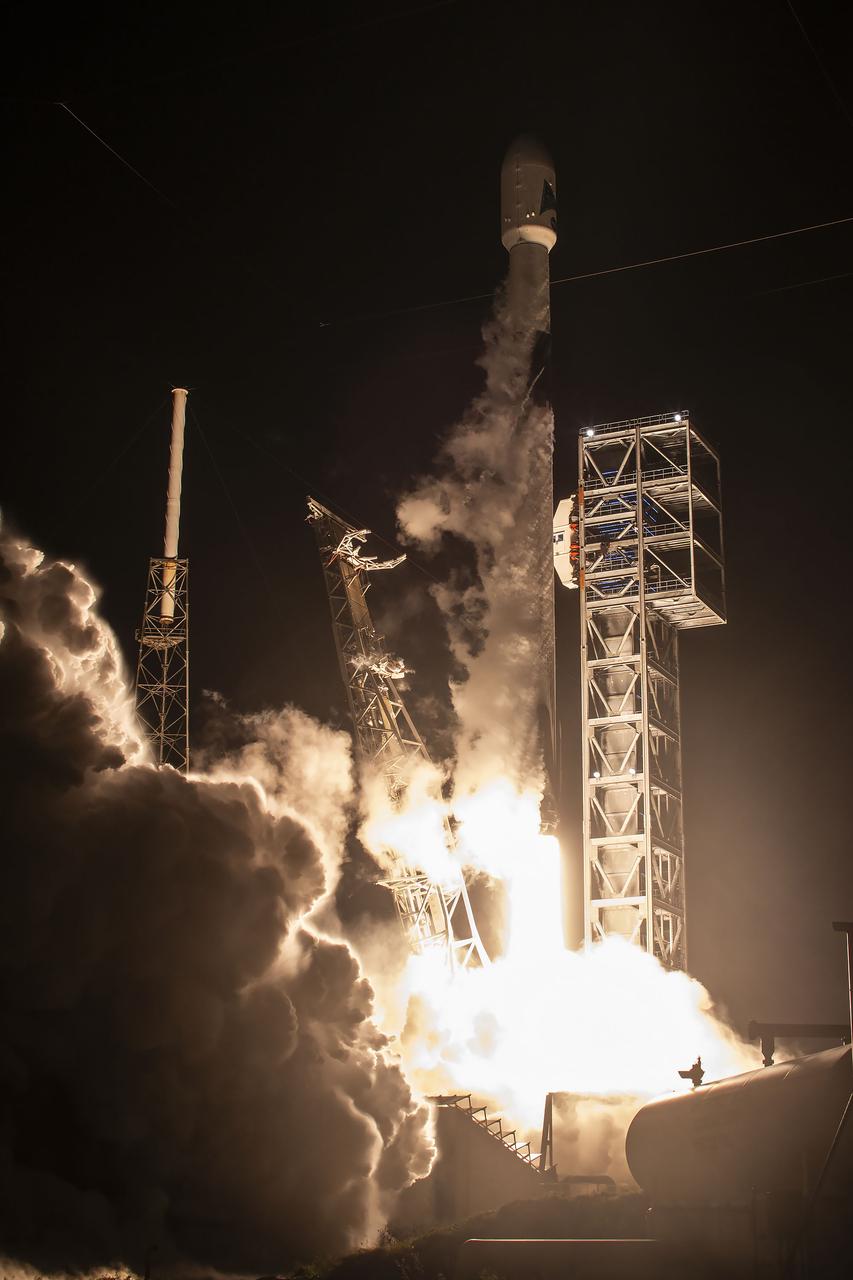
KSC · 2024-02-08 · KSC-20240208-PH-SPX01_0002
SpaceX PACE Launch
NASA’s PACE (Plankton, Aerosol, Cloud, ocean Ecosystem) spacecraft, atop a SpaceX Falcon 9 rocket, successfully lifts off from Space Launch Complex 40 at Cape Canaveral Space Force Station…
Inspect NASA record
NASA’s PACE (Plankton, Aerosol, Cloud, ocean Ecosystem) spacecraft, atop a SpaceX Falcon 9 rocket, successfully lifts off from Space Launch Complex 40 at Cape Canaveral Space Force Station in Florida at 1:33 a.m. EST Thursday, Feb. 8. PACE is NASA’s newest earth-observing satellite that will help increase our understanding of Earth’s oceans, atmosphere, and climate by delivering hyperspectral observations of microscopic marine organisms called phytoplankton, as well new data on clouds and aerosols.
- Record ID
- KSC-20240208-PH-SPX01_0002
- NASA center
- KSC
- Date
- 2024-02-08
- Credit
- SpaceX
- Keywords
- PACE, Plankton, Aerosol, Cloud, ocean Ecosystem, LSP, Launch Services Program, KSC, Kennedy Space Center, climate, algae, Earth

KSC · 2024-02-08 · KSC-20240208-PH-SPX01_0001
SpaceX PACE Launch
NASA’s PACE (Plankton, Aerosol, Cloud, ocean Ecosystem) spacecraft, atop a SpaceX Falcon 9 rocket, successfully lifts off from Space Launch Complex 40 at Cape Canaveral Space Force Station…
Inspect NASA record
NASA’s PACE (Plankton, Aerosol, Cloud, ocean Ecosystem) spacecraft, atop a SpaceX Falcon 9 rocket, successfully lifts off from Space Launch Complex 40 at Cape Canaveral Space Force Station in Florida at 1:33 a.m. EST Thursday, Feb. 8. PACE is NASA’s newest earth-observing satellite that will help increase our understanding of Earth’s oceans, atmosphere, and climate by delivering hyperspectral observations of microscopic marine organisms called phytoplankton, as well new data on clouds and aerosols.
- Record ID
- KSC-20240208-PH-SPX01_0001
- NASA center
- KSC
- Date
- 2024-02-08
- Credit
- SpaceX
- Keywords
- PACE, Plankton, Aerosol, Cloud, ocean Ecosystem, LSP, Launch Services Program, KSC, Kennedy Space Center, climate, algae, Earth